Tragedy in the Mountains: At Least 23 Dead After Bus Plunges Into Chasm
In one of the deadliest road accidents of the year, a passenger bus carrying dozens of people plunged into a deep gorge in Jammu and Kashmir’s Udhampur district on August 30, 2025, leaving at least 23 dead and over 30 injured. The incident has sent shockwaves across India, reigniting concerns about road safety in mountainous regions and prompting calls for urgent infrastructure reforms.
The Scene of the Tragedy
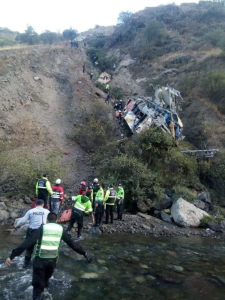
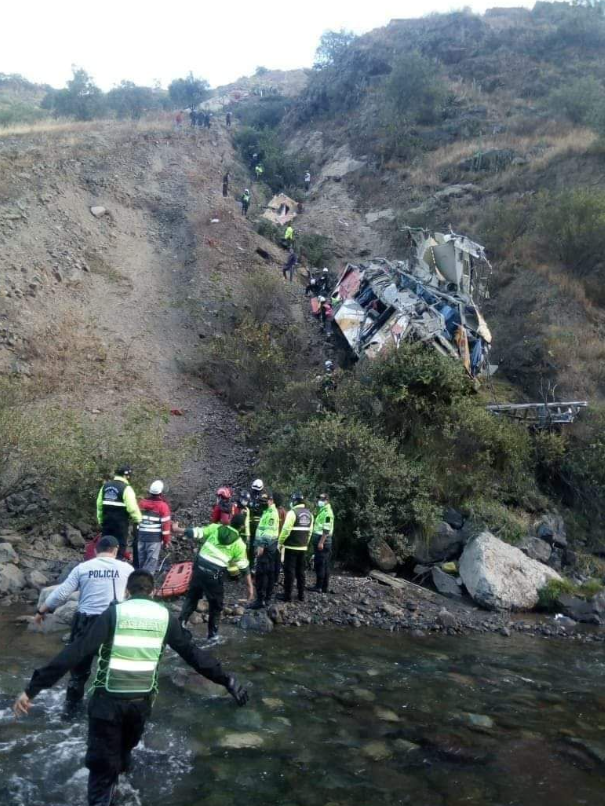
The accident occurred early in the morning as the bus navigated a winding stretch of road in the hilly terrain of Udhampur. According to initial reports, the driver lost control of the vehicle, which veered off the road and tumbled into a gorge estimated to be several hundred feet deep. Rescue operations were launched immediately, with local police, emergency responders, and villagers working together to retrieve survivors and recover the deceased.
The terrain made rescue efforts difficult. Narrow roads, steep cliffs, and limited access to medical facilities slowed down response times. Helicopters were deployed to airlift critically injured passengers to hospitals in Jammu, while others were treated at nearby clinics.
Victims and Survivors
Among the victims were families returning from a pilgrimage, students heading to school, and workers commuting to their jobs. The diversity of passengers underscores the everyday nature of the journey—one that turned tragic in an instant.
Survivors described scenes of chaos and terror. “There was a loud screech, and then everything went dark,” said one passenger who managed to crawl out of the wreckage. “People were screaming, some were thrown out of the bus. I don’t know how I survived.”
The injured include children, elderly passengers, and several individuals in critical condition. Local hospitals have been overwhelmed, and medical teams from neighboring districts have been dispatched to assist.
A Pattern of Tragedy
Unfortunately, this is not an isolated incident. India has one of the highest rates of road fatalities in the world, with over 150,000 deaths reported annually. Mountainous regions like Jammu and Kashmir are particularly vulnerable due to narrow roads, poor maintenance, and unpredictable weather conditions.
In recent years, similar accidents have occurred in Himachal Pradesh, Uttarakhand, and Arunachal Pradesh, often involving overloaded vehicles and inadequate safety measures. Despite repeated warnings from transportation experts, progress on road infrastructure and driver training has been slow.
Infrastructure and Accountability
The Udhampur tragedy has reignited debate over the condition of roads in India’s hill states. Experts point to several contributing factors:
- Poor road maintenance: Many mountain roads lack guardrails, proper signage, and regular upkeep.
- Driver fatigue and training: Long hours and insufficient training for navigating treacherous terrain increase the risk of accidents.
- Vehicle condition: Buses and trucks often operate beyond their recommended lifespan, with minimal safety inspections.
- Overcrowding: Public transport vehicles are frequently overloaded, compromising stability and control.
Local authorities have promised a full investigation into the Udhampur crash, including an assessment of the bus’s condition and the driver’s qualifications. But critics argue that accountability must go beyond individual blame and address systemic failures.
Political and Public Response
The tragedy has prompted an outpouring of grief and anger. Prime Minister Narendra Modi expressed condolences to the families of the victims and announced financial compensation for the deceased and injured. “My thoughts are with those who lost their loved ones in this tragic accident,” he said in a statement.
Opposition leaders have called for a nationwide audit of road safety in hill regions, demanding transparency and swift action. Civil society groups have also mobilized, urging the government to prioritize infrastructure investment and enforce stricter regulations on public transport.
Social media has become a platform for mourning and advocacy. Hashtags like #UdhampurBusTragedy and #HillRoadSafety have trended across India, with users sharing stories, condolences, and demands for reform.
The Human Cost
Beyond statistics and policy debates, the tragedy is a deeply human one. Families have been shattered, children orphaned, and communities left grieving. In villages across Udhampur, funeral processions have begun, with neighbors gathering to support the bereaved.
One family lost three generations in the crash—a grandmother, her daughter, and a young grandson. “They were going to visit relatives,” said a neighbor. “Now we’re preparing for three funerals.”
The emotional toll is immense. Survivors face not only physical recovery but psychological trauma. Many will carry the scars of that day for the rest of their lives.
Lessons and the Path Forward
If there is any silver lining to this tragedy, it is the renewed urgency it brings to road safety reform. Experts suggest several steps that could prevent future disasters:
- Guardrail installation: Protective barriers on mountain roads can significantly reduce the risk of vehicles falling into gorges.
- Driver certification: Specialized training for navigating hilly terrain should be mandatory for commercial drivers.
- Vehicle inspections: Regular and rigorous checks can ensure that buses and trucks meet safety standards.
- Emergency preparedness: Equipping remote areas with better medical facilities and rapid response teams can save lives in the aftermath of accidents.
Public awareness campaigns can also play a role. Educating passengers about safety protocols, encouraging seatbelt use, and promoting responsible travel behavior are essential components of a safer transportation system.
Conclusion: A Nation in Mourning
The bus crash in Udhampur is a stark reminder of the fragility of life and the urgent need for systemic change. As families bury their loved ones and survivors begin the long road to recovery, the nation must confront the realities of its transportation infrastructure.
This tragedy cannot be allowed to fade into memory as just another statistic. It must be a turning point—a moment when grief fuels action, and loss leads to reform.
Because every life lost on the road is one too many. And every journey, no matter how routine, deserves to end in safety—not sorrow.