Turkey Hunting Down South: What to Do After a Bite
A morning in the woods can turn from peaceful to concerning in a matter of seconds. Turkey hunting often means walking through tall grass, brush, fallen leaves, logs and areas where insects, ticks, spiders and snakes may be hiding. If you have just been bitten by something, don’t panic—but don’t ignore it either.
The correct response depends heavily on what caused the bite.
Start by Getting to a Safe Place
First, move away from the area where you were bitten. Don’t spend time searching through vegetation trying to find the animal or insect. If it was a snake, spider or stinging insect, attempting to capture it can result in another bite or sting.
If you can identify what bit you without touching or approaching it, remember its general appearance. A photograph taken from a safe distance can also be useful to a healthcare professional.
If you’re hunting alone, tell someone what happened and where you are. If you begin feeling weak, dizzy, confused or short of breath, getting help quickly becomes especially important.
Wash the Area
For many ordinary insect or spider bites, gently washing the affected area with soap and water is a good first step. The CDC recommends washing spider-bite areas with soap and water and using a cold cloth or ice to help reduce swelling.
If the bite is bleeding, apply gentle pressure with clean gauze or cloth.
Avoid repeatedly touching, scratching or squeezing the wound. Scratching can damage the skin and increase the possibility of infection.
Watch for an Allergic Reaction
One of the biggest concerns following a bite or sting isn’t necessarily the local swelling—it’s a severe allergic reaction.
Watch for symptoms such as:
- Difficulty breathing
- Wheezing
- Swelling of the lips, tongue or throat
- Widespread hives
- Severe dizziness or fainting
- Rapid worsening of symptoms
- Repeated vomiting
- Collapse
These symptoms can indicate anaphylaxis, which is a medical emergency. The CDC advises seeking immediate emergency care for severe allergic reactions.
If you have a prescribed epinephrine auto-injector and your symptoms meet your doctor’s instructions for using it, use it as directed and call 911. Emergency evaluation is still necessary afterward.
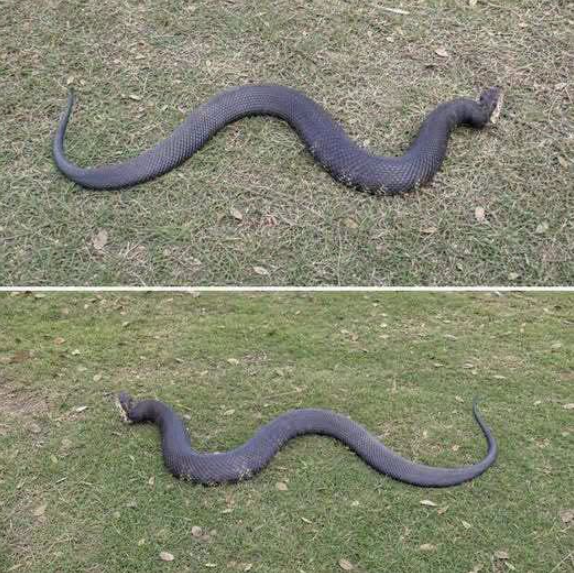
What If It Was a Snake?
Because you’re hunting in the South, a snake bite deserves particular caution.
If there is any possibility that the bite came from a snake, treat it as potentially serious until a medical professional evaluates you.
The CDC recommends keeping the person calm and still and seeking medical attention as soon as possible. If possible, remember the snake’s color and shape, but do not attempt to catch, kill or handle it.
There are also several traditional remedies you should avoid.
Do not:
- Cut the bite
- Try to suck out venom
- Apply a tourniquet
- Put ice directly on the bite
- Immerse the wound in water
- Drink alcohol as a supposed treatment
These measures can cause additional injury and don’t remove snake venom.
If you suspect a venomous snake bite, call 911 or your local emergency service and contact Poison Control at 1-800-222-1222.
What If It Was a Tick?
A tick bite is different because the major concern can develop later rather than immediately.
If you find a tick attached to your skin, remove it promptly with fine-tipped tweezers, grasping it as close to the skin as possible and pulling steadily upward. Avoid crushing the tick against your skin.
After removal, clean the area and your hands.
Because tick-borne diseases can have delayed symptoms, pay attention to how you feel over the following days and weeks. Fever, unusual fatigue, headache, muscle aches or a new rash should prompt a conversation with a healthcare professional, particularly if you know you were bitten by a tick.
Outdoor hunters should also check themselves carefully after returning from the woods—especially around the waist, groin, armpits, behind the knees, around the ears and along the hairline.
What If It Was a Spider?
A spider bite can initially look like a small red or swollen area, making it difficult to identify the culprit based solely on the appearance of the skin.
Don’t automatically assume that a painful or unusual skin lesion is a venomous spider bite.
The CDC notes that some recluse spider bites can cause increasing redness, blistering, bleeding, dark discoloration and ulceration, and people who develop significant wounds or other illness after a suspected recluse bite should seek medical attention.
If the area becomes increasingly painful, swollen, blistered or discolored—or if you develop fever or feel sick—get medical attention.
What If It Was an Ordinary Insect Bite?
Mosquitoes, ants and other insects are common outdoors.
For a simple mosquito bite, the CDC recommends washing the area and applying an ice pack for about 10 minutes to help with swelling and itching.
Fire ants deserve special attention because they can bite and sting repeatedly. The CDC recommends brushing ants off rather than allowing them to remain attached. Severe swelling, breathing problems, chest pain, heavy sweating or other serious symptoms require emergency medical attention.
Don’t Ignore Infection
Even a seemingly minor bite can become infected.
Over the next several days, watch for worsening redness, warmth, swelling, increasing pain, pus or drainage, or fever. A wound that is getting progressively worse rather than better should be evaluated by a healthcare professional.
This is particularly important for puncture wounds and bites that became contaminated with dirt or other material while you were in the woods.
Take a Photo
If you’re still unsure what bit you, a clear photograph can be extremely useful.
Take one picture from farther away to show where the bite is located and another close-up showing the skin. If there is a visible insect, tick or other creature, photograph it only if you can do so without getting closer or putting yourself at risk.
Don’t handle an unfamiliar snake or spider simply to obtain a better picture.
When to Stop Hunting and Get Help
A bite that produces only mild localized itching or swelling may be something you can initially monitor after basic first aid.
But you shouldn’t try to “tough it out” if symptoms are rapidly progressing.
Call 911 immediately for trouble breathing, throat or tongue swelling, fainting, severe weakness, confusion, collapse or other signs of a potentially life-threatening reaction.
Suspected snakebite should also be treated as an urgent medical situation.
Bottom Line
Turkey hunting is a great way to spend time outdoors, but the woods contain hazards that aren’t always obvious. A bite can come from something as minor as a mosquito or fire ant, but it can also involve a tick, spider, snake or another animal requiring medical evaluation.
For now, move somewhere safe, wash the area, avoid scratching or squeezing it, monitor your symptoms, and don’t handle whatever bit you.
Most importantly, if you can upload a clear picture of the bite, I can help you assess what it looks most consistent with and what warning signs to watch for. A photo cannot replace medical evaluation, especially if the bite is worsening or you have systemic symptoms.