No Evidence of New Shooting Incident Involving President Trump at the White House
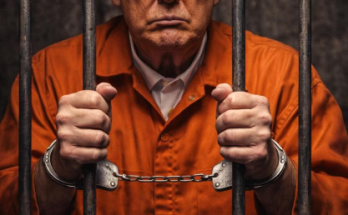
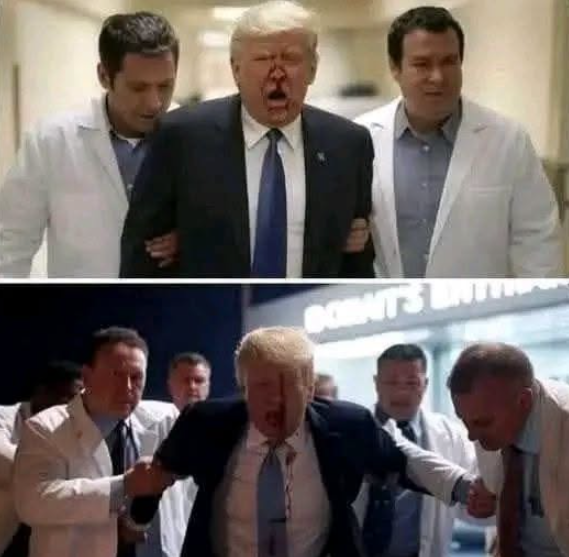
As of July 14, 2026, there are no confirmed reports from credible news outlets, law enforcement, or official White House statements indicating that President Donald Trump was shot or targeted in an assassination attempt while exiting the White House in the last few minutes or hours. Searches across major wire services, social media monitoring, and real-time news feeds yield no matching events. Claims of this nature circulating online appear to be unsubstantiated rumors, clickbait, or misrepresentations of past incidents.
Such headlines often exploit the real history of threats against Trump to drive engagement. While political violence is a serious concern, spreading unverified alarms can cause unnecessary panic and erode trust in information. Below is a comprehensive, fact-based examination of the documented threats, security realities, political context, and lessons learned—drawing on verified events up to the present.
Recap of Documented Threats Against Trump
President Trump has faced an unusually high number of security incidents during and after his political career:
- July 13, 2024 (Butler, PA): The most serious attempt. Gunman Thomas Matthew Crooks fired from a rooftop at a rally, wounding Trump in the ear, killing Corey Comperatore, and injuring others. Swift Secret Service action ended the threat. This event triggered congressional investigations, Secret Service reforms, and widespread debate over rally security.
- September 2024 (Florida Golf Course): Suspect Ryan Wesley Routh faced charges related to an apparent plot involving a rifle near Trump’s location.
- April 25, 2026 (White House Correspondents’ Dinner, Washington Hilton): Shots fired near the security perimeter. Suspect Cole Tomas Allen was arrested. Trump and senior officials were evacuated unharmed. This incident, occurring at a high-profile D.C. event, raised fresh questions about venue security and intelligence sharing. It marked roughly the third known attempt since 2024.
No additional attempts at or near the White House exits have been publicly reported in recent days or today. Other D.C.-area shootings (e.g., unrelated incidents near government buildings) sometimes get conflated in viral posts. Routine presidential movements are heavily secured by the Secret Service, with motorcades, countersnipers, and advance teams. Any genuine incident would trigger immediate national alerts, lockdowns, and official statements—none of which have occurred.
The White House Security Apparatus
The White House is one of the most protected locations on Earth. Layers include:
- Uniformed Division of the Secret Service.
- Perimeter barriers, surveillance, and restricted airspace.
- Intelligence fusion with FBI, DHS, and local agencies.
- Advance reconnaissance for any movement.
Exiting the White House typically involves closed motorcades with heavy escort. While vulnerabilities exist—as Butler demonstrated—post-incident reforms have focused on rooftop coverage, communication, and insider threats. A dedicated congressional Task Force on the 2024 attempt released findings and recommendations emphasizing accountability and prevention.
Challenges persist: lone actors, drone threats, cyber vulnerabilities, and the sheer volume of threats (thousands annually against protectees). The current administration has prioritized enhancing these capabilities amid a polarized environment.
Political and Social Context Fueling Threats
America’s political climate remains intensely divided. Trump’s return to office, policy agenda (immigration enforcement, economic measures, foreign policy shifts), and combative style elicit strong reactions. Both supporters and opponents have contributed to heated rhetoric that can, in extreme cases, inspire unstable individuals.
Broader trends:
- Rising domestic extremism tracked by authorities.
- Mental health crises intersecting with easy access to weapons.
- Social media amplification, where conspiracy theories and unverified claims spread faster than facts.
- Erosion of institutional trust, making rumors more believable to some.
Anniversaries of the Butler shooting (just yesterday) naturally resurface related content, providing fertile ground for fabricated “breaking” stories. Similar patterns occurred around previous incidents.
Impacts on Governance and Society
Repeated real threats have tangible effects:
- Distraction: Security concerns divert attention and resources from policy priorities like the economy, border security, or international relations.
- Public Perception: For supporters, survival narratives reinforce resilience. For critics, they sometimes fuel speculation about “staged” events (a claim repeatedly debunked by investigations).
- Policy Ripple Effects: Enhanced vetting, potential restrictions on protests near sensitive sites, or legislative pushes on mental health/gun background checks.
- Democratic Norms: Assassination attempts test the peaceful transfer and continuity of power. America’s system has endured such tests before, but each strains civic fabric.
Internationally, adversaries may view domestic turmoil as weakness, though U.S. institutions have shown durability. Allies monitor stability closely.
Recommendations and Forward Outlook
- Verify Before Sharing: Rely on multiple reputable sources (AP, Reuters, major networks, official channels). Real incidents receive immediate, widespread confirmation.
- Strengthen Institutions: Bipartisan support for Secret Service funding, intelligence improvements, and de-escalation in public discourse is crucial.
- Address Root Causes: Tackle polarization, mental health access, and online radicalization without infringing on rights.
- Media Responsibility: Outlets should resist hype; platforms must improve rapid response to misinformation.
President Trump has publicly addressed past attempts with defiance, crediting law enforcement and divine providence. His administration continues operating normally, with no disruptions reported today.
In a healthy democracy, robust debate coexists with absolute rejection of violence. Political differences should be settled at the ballot box, in courts, and through policy—not force. The pattern of threats against Trump, alongside those against other leaders, signals a need for national reflection on civility and security.
Rumors like today’s serve as reminders of these challenges. They highlight the importance of skepticism toward unverified “Minutes Ago” claims. As of now, President Trump continues his duties without incident at the White House. Americans deserve accurate information to navigate these tense times responsibly.