If Your Partner Is Cheating on You, Their Vagina (or Body) Doesn’t Have Reliable “Telltale Signs” – Debunking Myths and Focusing on Real Relationship Dynamics
The idea that “if your partner is cheating on you, their vag…” (often completed in clickbait as changes in vaginal tightness, scent, discharge, or other physical markers) is a persistent myth rooted in insecurity, misinformation, and pseudoscience. There are no consistent, detectable physical changes in a woman’s vagina, vulva, or overall body that reliably indicate infidelity. Vaginas are highly elastic, self-cleaning organs that adapt to many factors unrelated to sexual partners. Relying on such “signs” leads to false accusations, eroded trust, and unnecessary medical anxiety. Instead, focus on communication, behavior patterns, and mutual respect. This 1000-word guide debunks myths, explains real biology, explores relationship red flags, and offers healthier paths forward.
Why Physical “Cheating Signs” in the Vagina Are a Myth
The vagina is a muscular canal designed for flexibility. Key facts:
- Elasticity and “Looseness”: Vaginas stretch during arousal, penetration, childbirth, or with arousal levels. “Tightness” varies with hormones, pelvic floor strength, age, exercise (or lack thereof), and natural lubrication—not partner count. Kegel exercises or childbirth recovery affect tone far more than occasional sex. Claims of “feeling different” after cheating lack scientific backing; studies on sexual function show no direct correlation.
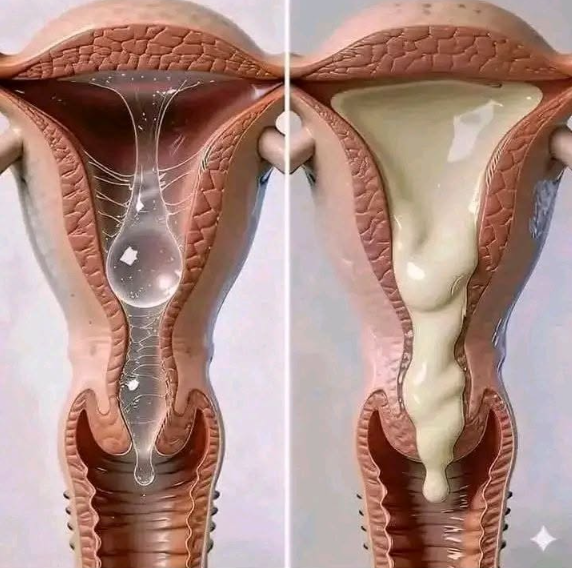
- Discharge, Scent, and pH: Normal discharge changes with menstrual cycle, diet, stress, medications, infections (yeast, BV), or hygiene products. Semen can temporarily alter scent or consistency, but it clears within hours to a day. Cheating doesn’t create unique, lasting markers. Semen detection requires specific testing (not casual observation). New or unusual odors usually signal infection, not infidelity.
- Other Alleged Signs: Swelling, bruising, or irritation can stem from rough consensual sex, allergies, dryness, or medical conditions. Hickeys or marks appear from any partner. Hormonal shifts, birth control, menopause, or illness cause broader body changes.
Medical consensus from gynecologists and sex researchers (e.g., via ACOG or studies in Journal of Sexual Medicine) confirms: No forensic or clinical evidence supports “cheating vagina” detection through casual inspection. STI testing or DNA analysis could theoretically provide clues in extreme scenarios, but that’s invasive and not proof of emotional cheating.
Pseudoscience and misogynistic tropes fuel these ideas, often spread via social media or insecure online forums. They ignore that men’s bodies show no equivalent “signs” either—ejaculation volume or refractory periods don’t reveal partners.
Real Ways Infidelity Shows Up (Behavioral and Emotional)
Instead of genital detective work, observe patterns:
- Emotional Distance: Less affection, intimacy avoidance, or sudden secrecy with devices.
- Schedule Changes: Unexplained absences, frequent “work” late nights, or new hobbies without inclusion.
- Defensiveness: Overreacting to innocent questions or accusing you of cheating (projection).
- Financial Anomalies: Unexplained expenses, gifts, or hotel charges.
- Sexual Shifts: Sudden new techniques/preferences (possibly learned elsewhere) or decreased interest. Paradoxically, some cheaters increase home intimacy to compensate.
- Phone/Tech Guarding: New passwords, deleted messages, or anxiety around notifications.
- Gut Feeling: Often rooted in real inconsistencies, not vaginal inspection.
Research from relationship experts (e.g., John Gottman Institute) shows trust erosion stems from repeated small betrayals, poor communication, and unmet needs—not physical anatomy.
Why People Cheat and How It Affects Relationships
Cheating rarely happens in a vacuum. Common drivers:
- Unresolved conflicts or emotional disconnection.
- Opportunity + impulse (travel, apps).
- Low self-esteem or midlife crisis.
- Revenge or exit strategy.
- Sexual dissatisfaction (though many cheaters report decent home sex).
For the betrayed partner, discovery causes trauma-like symptoms: anxiety, depression, PTSD-like flashbacks. Physical “signs” hunting distracts from processing pain and rebuilding (or exiting) safely.
Women (and men) deserve bodily autonomy. Obsessing over vaginal changes objectifies and breeds toxicity. Healthy relationships thrive on consent, transparency, and verified facts.
Healthier Approaches to Suspicions
- Direct Communication: “I’ve been feeling distant lately—can we talk?” Avoid accusations.
- Self-Reflection: Are your fears based on past trauma or current evidence?
- Couples Counseling: Therapists help uncover issues without blame.
- STI Testing: Mutual testing promotes health, not suspicion.
- Boundaries and Agreements: Discuss monogamy expectations openly.
- Digital Privacy: Some couples share locations/passwords by mutual consent; forcing it breeds resentment.
- Exit Strategy: If trust is irreparably broken, prioritize safety and support (friends, therapists, legal advice).
Books like The State of Affairs by Esther Perel offer nuanced views on infidelity—sometimes relationships recover stronger with work; often, they end.
Biological and Medical Context for Peace of Mind
Vaginal health depends on:
- Microbiome balance (avoid douching).
- Hormones (estrogen maintains elasticity).
- Pelvic floor (Kegels or physical therapy).
- Regular gyn check-ups.
Changes warrant medical visits for yeast/BV/STIs/cancer screening—not partner interrogation. Apps or at-home tests exist but require professional follow-up.
For men worried about their own bodies: Similar myths about penis changes or semen don’t hold. Focus on overall wellness.
Cultural and Societal Factors
Clickbait articles prey on insecurity for clicks. Patriarchy historically policed women’s bodies; modern versions use “wellness” language. True empowerment comes from evidence-based trust and self-worth independent of partner’s fidelity.
Statistics: Roughly 20-25% of married people report infidelity (varies by study/culture). Prevention beats detection: Emotional intimacy, shared values, and addressing boredom reduce risk.
Moving Forward with Strength
If cheating is confirmed, healing takes time. Individual therapy helps process betrayal. Some couples reconcile via radical honesty and rebuilding; many choose separation for growth.
Your partner’s vagina isn’t a lie detector. Invest energy in verifiable behaviors, open dialogue, and self-care. A strong relationship withstands challenges through mutual effort—not surveillance.
Prioritize your peace. Whether staying or leaving, knowledge of real dynamics beats myths. Seek professional support tailored to your situation—doctors for body concerns, counselors for heart ones.
Ultimately, fidelity is a choice rooted in character and commitment, not anatomy. Focus there for healthier connections.