No New Assassination Attempt on President Trump: Debunking the Latest Rumor and Examining the Pattern of Threats
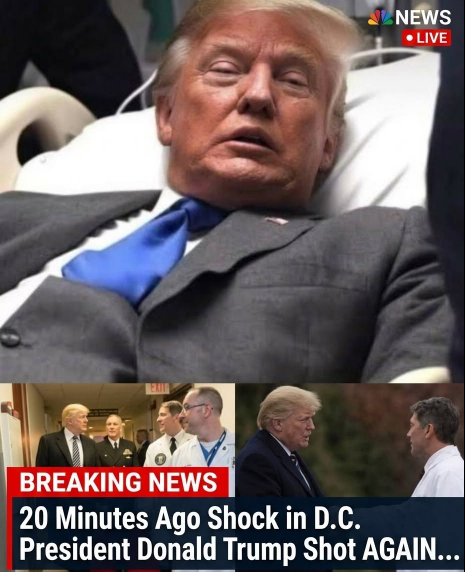
As of July 14, 2026, there are no credible reports of President Donald Trump being shot or targeted in a new assassination attempt in Washington, D.C., within the last 25 minutes—or even today. Sensational social media posts and clickbait headlines claiming “Shock in D.C. President Donald Trump Shot AGAIN” appear to be recycling past events, capitalizing on the high tensions surrounding the president, or spreading misinformation. Major news outlets, law enforcement statements, and real-time monitoring show no active incident matching this description.
This pattern of viral false alarms is not new. Trump has faced multiple documented security threats since 2024, which have understandably heightened public anxiety. However, conflating anniversaries, older incidents, or unrelated D.C. shootings with a fresh attack on the president serves no one. Below is a factual overview of the documented attempts, the broader context of political violence in America, security challenges, and the implications for the current administration.
Documented Incidents Involving Trump
-
July 13, 2024 – Butler, Pennsylvania Rally The most significant and widely remembered attempt occurred during a campaign rally. Thomas Matthew Crooks, a 20-year-old, fired shots from a rooftop, grazing Trump’s right ear. One attendee, Corey Comperatore, was killed shielding his family; two others were critically injured. Secret Service counter-snipers neutralized Crooks within seconds. The incident led to intense scrutiny of Secret Service protocols, with congressional task forces investigating lapses in perimeter security and communication. Trump’s immediate reaction—raising his fist with blood on his face—became an iconic image of defiance.
Two years later, on the anniversary (yesterday), commemorations and reflections dominated coverage, including statements from victims’ families. This timing likely fuels today’s rumor cycle.
-
September 2024 – Trump International Golf Club, Florida Ryan Wesley Routh was charged in connection with an apparent attempt while Trump was golfing. Details emerged of a rifle positioned near the course. This followed the Butler event and prompted further Secret Service enhancements.
-
April 25, 2026 – White House Correspondents’ Dinner, Washington D.C. This is the most recent substantiated incident in the capital. Gunshots occurred near the security screening area at the Washington Hilton. Suspect Cole Tomas Allen, 31, was arrested after allegedly attempting to breach with weapons. Trump, First Lady Melania Trump, Vice President JD Vance, and others were evacuated safely. No one was seriously harmed, though one officer was struck in a vest. Allen faces serious charges, including attempted assassination of the president. The event was rescheduled.
This was described as the third apparent attempt since 2024. Investigations continue into the suspect’s motives.
Other incidents include thwarted plots, increased threats, and unrelated D.C. shootings (e.g., near the White House or Navy Yard) that sometimes get misattributed in fast-moving online narratives.
Why Rumors Spread So Quickly
Several factors drive these false reports:
- Polarization and Engagement Farming: U.S. politics remains deeply divided. High-profile figures like Trump attract both fervent support and intense opposition. Platforms reward sensationalism.
- Anniversary Effect: The Butler shooting’s two-year mark yesterday amplified related content.
- Security Environment: Heightened threats against public officials are real. The Secret Service and Capitol Police manage dozens of cases annually.
- Misinformation Ecosystem: Unverified posts on X, Facebook, and elsewhere often precede official clarification. In this case, searches across news and social platforms turn up no active D.C. incident involving Trump today.
Security Challenges for the Presidency
Protecting the president has always been difficult, but threats have evolved. The Secret Service faces challenges from:
- Lone actors and mental health issues: Many plots involve individuals with personal grievances rather than sophisticated organizations.
- Access to weapons: America’s gun culture and legal framework complicate screening.
- Social media radicalization: Online echo chambers accelerate extremism.
- Operational strain: Multiple protectees (president, VP, former presidents, families) stretch resources. Post-Butler reforms included leadership changes and better inter-agency coordination, but congressional reports highlighted ongoing vulnerabilities.
The Trump administration has emphasized law-and-order policies, border security, and criticism of “soft-on-crime” approaches, framing assassination attempts as symptoms of broader societal decay. Critics argue that inflammatory rhetoric from all sides contributes to violence. Bipartisan consensus exists on improving Secret Service funding and training, though implementation lags.
Broader Context of Political Violence
The U.S. has a long history of attacks on leaders: Lincoln, Garfield, McKinley, Kennedy, Reagan, and attempts on others. In recent decades, Gabby Giffords, Steve Scalise, and threats against lawmakers from both parties highlight the issue transcends one figure.
Data from organizations tracking extremism show rising concerns over domestic terrorism, often ideologically driven but frequently by unstable individuals. The April 2026 incident at a major media-political event underscored risks even in heavily secured settings.
For the current term, the administration navigates foreign policy challenges (e.g., South China Sea, Middle East), economic priorities, and domestic divisions. Repeated security scares can distract from governance but also reinforce narratives of resilience.
Impacts and Lessons
On Trump Personally and Politically: Surviving multiple attempts has bolstered his image among supporters as a fighter against “the system.” It has also intensified calls for de-escalation in political discourse.
Policy Responses: Expect continued focus on:
- Secret Service modernization (drones, AI threat detection, staffing).
- Mental health and threat assessment reforms.
- Potential changes to rally/event security protocols.
- Legislative pushes on political violence.
Society-Wide: These events test democratic norms. They underscore the need for calm, verified information over panic. Journalists and platforms bear responsibility in countering rumors swiftly.
International Ramifications: Allies and adversaries watch U.S. stability. Instability at the top could embolden challengers abroad, though America’s institutions have historically proven resilient.
In conclusion, while President Trump has faced grave dangers—more than most modern leaders—no evidence supports a new shooting in D.C. today. The “25 Minutes Ago” claim fits a pattern of disinformation that exploits real fears. Americans should seek information from established sources, support thorough investigations into past incidents, and reject violence as a political tool.
The presidency demands extraordinary protection precisely because it symbolizes the nation. As investigations from Butler onward show, vigilance, accountability, and unity in condemning attacks—regardless of the target’s party—are essential to preserving the republic. Sensationalism helps no one; facts and measured response do.