Michael Jackson Is Alive? Exploring the Enduring Conspiracy Theories, Viral Photos, and the Facts of His 2009 Death
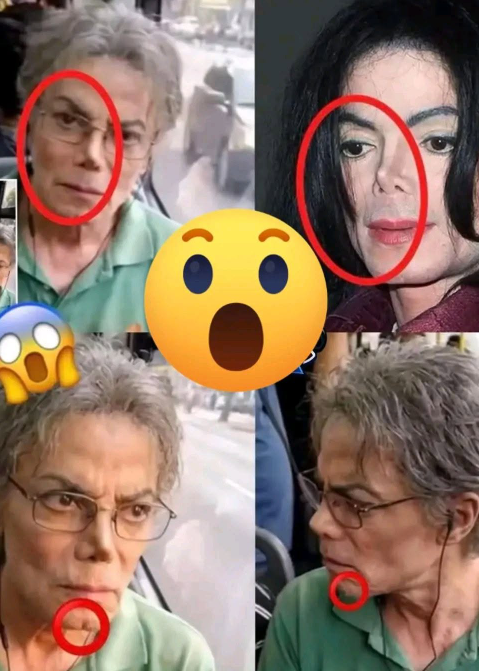
The claim that “Michael Jackson is alive” continues to captivate fans and skeptics more than 17 years after his death on June 25, 2009. Viral photos and videos—such as a recent image or clip of a person on a bus or public transport who bears a resemblance to an aged King of Pop—fuel fresh waves of speculation. These “sightings” often spread rapidly on social media, with captions like “this photo was taken of a person on the su…” (likely “subway” or “bus”). However, thorough investigations, official records, and expert analysis consistently confirm that Michael Jackson died at age 50. The persistence of these theories reveals much about celebrity culture, grief, misinformation, and the power of the internet.
The Official Circumstances of Michael Jackson’s Death
On June 25, 2009, Jackson was found unresponsive in his rented mansion at 100 North Carolwood Drive in Los Angeles. His personal physician, Dr. Conrad Murray, had been administering propofol (a powerful anesthetic) and other sedatives to help Jackson sleep amid preparations for his “This Is It” comeback tour. Paramedics arrived to find him in cardiac arrest. He was pronounced dead at Ronald Reagan UCLA Medical Center.
The Los Angeles County Coroner’s autopsy, released in full detail later, determined the cause of death as acute propofol intoxication, with contributory effects from benzodiazepines (lorazepam, midazolam). The manner of death was ruled a homicide due to Murray’s negligent administration of the drugs outside a hospital setting without proper monitoring. Murray was convicted of involuntary manslaughter in 2011 and served about two years.
Autopsy findings painted a picture of a man under immense physical strain:
- Jackson weighed 136 pounds at 5’9″ — within normal range but slender.
- He had vitiligo (explaining skin lightening), scarring from past scalp burns (1984 Pepsi commercial), and punctured arms from injections.
- His heart was strong, but he showed signs of chronic lung issues, arthritis, and sleep deprivation.
- Toxicology revealed multiple drugs; no illegal substances beyond prescribed medications.
Jackson’s family, including his mother Katherine and children, held a private memorial and public service at the Staples Center. He was buried at Forest Lawn Memorial Park. Extensive estate battles, documentaries, and the 2025 biopic Michael (featuring nephew Jaafar Jackson) have kept his legacy alive without suggesting any faked death.
The Birth and Evolution of “MJ Is Alive” Theories
Conspiracy theories emerged almost immediately. Reasons cited by believers include:
- Financial Pressures: Jackson’s massive debts and upcoming tour allegedly motivated a disappearance to escape creditors or restart life anonymously.
- Media Scrutiny: After years of child molestation trials (of which he was acquitted), vitiligo rumors, and tabloid frenzy, some claim he sought privacy.
- Clues in Lyrics and Videos: Fans dissect songs like “They Don’t Care About Us” or “Thriller” for “hidden messages.” Alleged backwards messages or symbolism are common.
- Suspicious Details: Closed casket (common for privacy), alleged body double at the funeral, or mismatched photos from the past.
A 2009 hoax video by German broadcaster RTL—showing Jackson exiting a coroner’s van—was an experiment demonstrating how quickly misinformation spreads. It backfired by boosting conspiracies.
Over the years, “sightings” have placed him in places like Brazil, Mexico, Europe, or rural U.S. Recent 2026 viral clips of an older man on a bus (often AI-generated) continue the trend. These are typically debunked as look-alikes, deepfakes, or edited footage.
Why Do These Theories Persist?
Several psychological and sociological factors are at play:
- Grief and Denial: Jackson’s death shocked the world. For devoted fans, accepting it feels like losing a part of childhood or personal inspiration. Believing he’s alive keeps hope alive.
- Celebrity Worship and Parasocial Bonds: MJ’s larger-than-life persona made his mortality hard to reconcile.
- Misinformation Age: AI tools now create eerily realistic images and videos. A 2026 Brazil bus video was explicitly AI-generated yet fooled millions.
- Distrust of Official Narratives: High-profile deaths (Elvis, Tupac, others) spawn similar theories. Skepticism of media, government, or Big Pharma plays a role.
- Community and Entertainment: Online forums, documentaries like Alive! Is Michael Jackson Really Dead?, and YouTube channels sustain the lore for clicks and belonging.
Critics note practical impossibilities: Faking death requires complicity from family, doctors, coroners, and authorities. Jackson’s children (Prince, Paris, Blanket) have spoken publicly about grieving their father. Estate executors manage billions in assets with no indication of secrecy.
Examining Specific “Evidence” and Sightings
Viral photos often show elderly Black men with similar facial features, hairstyles, or mannerisms. Lighting, angles, and wishful thinking amplify resemblances. Forensic comparisons (ear shape, scars, tattoos) rarely match.
Recent examples, including 2026 bus videos, trace back to AI creators who sometimes label content as fictional. Older hoaxes involved photoshopped images or actors.
Legally and logistically, living in hiding for 17 years while maintaining Jackson’s distinctive appearance, health issues (vitiligo treatment, pain management), and global recognition would be extraordinarily difficult without leaks.
The Real Legacy: Beyond Conspiracy
Michael Jackson’s impact transcends death rumors. He sold over 400 million records, revolutionized music videos, dance, and pop culture. Albums like Thriller (1982) remain benchmarks. His humanitarian work, innovative artistry, and influence on artists from Beyoncé to BTS endure.
Posthumous releases, Cirque du Soleil shows, and the biopic celebrate his genius while addressing controversies (abuse allegations, which he denied and were never criminally proven in ways that stuck).
For fans, focusing on the music—Billie Jean, Man in the Mirror, Smooth Criminal—provides more fulfillment than unproven theories.
Conclusion: Fact vs. Fantasy
Michael Jackson died on June 25, 2009, from a tragic medical error involving propofol. Autopsy, trial records, family statements, and global mourning confirm this. Viral “alive” photos and videos, including recent bus sightings, are hoaxes, AI fabrications, or coincidences. They reflect the enduring mystique of a once-in-a-generation talent rather than hidden truth.
Conspiracy theories offer escapism and community but ultimately distract from Jackson’s real story: a brilliant, flawed artist who changed entertainment forever. As technology makes deepfakes more convincing, critical thinking and verification become essential. The King of Pop lives on through his catalog, not in secrecy. His music continues to inspire new generations—proof enough that legends never truly die.