Iran Conflict Update: Aviation Risks, Recent Claims, and the Fragile Ceasefire as of May 23, 2026
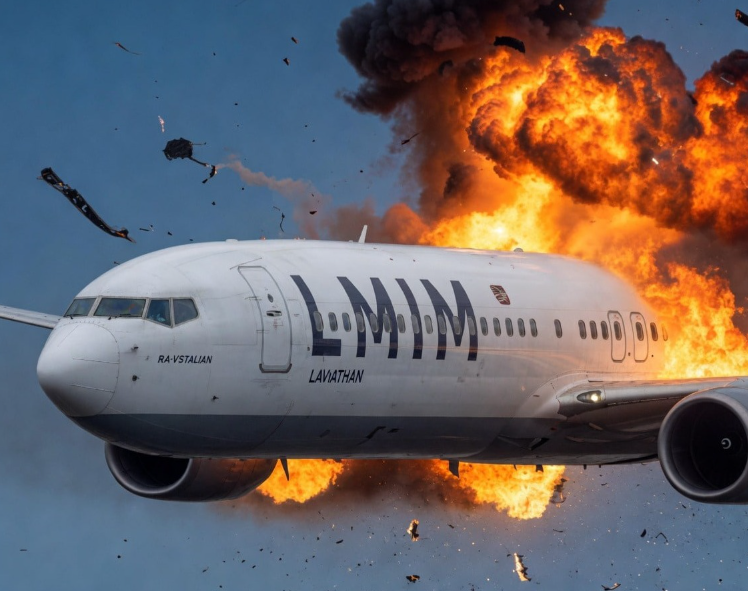
Claims of an immediate Iranian attack downing a civilian passenger plane with over 244 people onboard are circulating on social media today, echoing the sensational phrasing “Iran Attacked Right Now.” However, as of the latest reports on May 23, 2026, there is no confirmed incident matching this description involving a large commercial airliner in active conflict zones.
Such rumors often amplify amid heightened tensions in the ongoing US-Iran-Israel conflict. While no new major civilian aviation disaster tied to Iranian action has been verified today, the war has already seen significant aircraft losses—military and civilian—highlighting severe risks to air travel in the region. This analysis examines the context, historical incidents, current diplomatic/military situation, and broader implications.
Current Status of the Conflict
The 2026 Iran war, which began with US-Israeli strikes on February 28, remains in a fragile ceasefire phase since early April. President Trump has described himself as “50/50” on accepting Iran’s latest proposal or resuming operations, with a decision possibly imminent.
Key flashpoints persist around the Strait of Hormuz, where Iran has imposed restrictions, fees on vessels, and occasional seizures, disrupting global oil flows. Recent Iranian actions have targeted shipping and, in some cases, Gulf states like the UAE, though US officials have called many of these “below the threshold” for breaking the ceasefire.
No large-scale Iranian offensive involving civilian airliners is reported today. Social media amplification of unverified “attacks right now” often mixes old footage, military losses, or unrelated crashes. Aviation authorities continue to advise avoiding Iranian, Iraqi, and nearby airspace due to GPS jamming, missile risks, and ongoing instability.
Aviation Incidents in the 2026 War
The conflict has been costly for aviation on all sides:
- US Military Losses: Multiple US aircraft were lost or damaged. In April, an F-15E Strike Eagle was shot down over Iran, prompting a risky combat search-and-rescue operation. One crew member was rescued; the other’s fate was initially unclear. An A-10 Thunderbolt II was also reported hit. Overall assessments note around 42 US aircraft affected, including fighters, tankers, and special operations planes lost to enemy fire, friendly fire, or ground destruction during operations.
- Iranian Civilian and Military Aircraft: Iranian airliners were destroyed on the ground during US-Israeli strikes. Examples include an Iran Air Airbus A319 at Bushehr Airport (March 3), a government Airbus A340 at Mehrabad in Tehran, and Mahan Air planes at Mashhad. These were targeted as part of degrading Iranian capabilities.
- Historical Precedent: The 2020 shootdown of Ukraine International Airlines Flight 752 (176 killed) by Iranian air defenses—mistaking it for a cruise missile—remains a stark warning. Similar misidentification risks are elevated in active conflict.
No confirmed civilian passenger jet with ~244 onboard has been downed by Iran in recent days. Separate past events, such as the 2025 Air India crash (unrelated to Iran, ~241-246 fatalities shortly after takeoff in India), sometimes get conflated in viral posts.
Why Rumors Spread Rapidly
In a high-tension environment:
- Information Warfare: Both sides use media and proxies. Iran highlights civilian casualties from coalition strikes (e.g., a school in Minab). The US/Israel emphasize precision targeting of military sites.
- Social Media: Posts with dramatic headlines gain traction amid economic anxiety over oil prices and energy disruption.
- Real Risks Remain: Heavy GPS jamming near Iranian sites, restricted airspace, and threats to commercial shipping extend to aviation. Airlines reroute extensively, increasing costs and delays.
Diplomatic and Strategic Context
Iran’s latest revised proposal via Pakistani mediators addresses the Hormuz situation, nuclear limits, sanctions relief, and de-escalation. It offers some uranium dilution/transfer but rejects full dismantlement. Trump’s team is reviewing it, with Israeli concerns high—Netanyahu reportedly pushing against concessions that could allow future nuclear breakout.
A resumption of strikes could target remaining missile sites, leadership, or energy infrastructure. Iran threatens asymmetric responses, including expanded proxy attacks or further maritime disruption. Economic fallout has been severe: oil price volatility, supply chain issues, and billions in military costs.
Civilian aviation faces indirect hits—higher insurance premiums, flight cancellations, and the human cost of any escalation. Pilgrims for upcoming Hajj and regional travel are particularly vulnerable.
Broader Implications
Human Cost: Thousands dead across Iran, Lebanon, Israel, and Gulf states. Displacement affects millions. Each aircraft incident, whether military or civilian, adds trauma and complicates accountability.
Economic: Sustained Hormuz issues ripple globally. Successful diplomacy could stabilize markets; renewed fighting risks recessionary pressures.
Geopolitical: The war tests alliances. Gulf states seek calm for energy exports. Pakistan’s mediation role boosts its profile. China and Russia monitor for opportunities (e.g., discounted Iranian oil).
Nuclear and Security: Any deal must balance verification with Iranian sovereignty claims. Failures could accelerate proliferation risks regionally.
Aviation Safety: The conflict underscores needs for better de-confliction mechanisms, improved IFF (identification friend-or-foe) systems, and international protocols during hybrid wars. Airlines and regulators must update risk models continuously.
Outlook
As of May 23 evening, no verified “plane with 244 onboard” crash linked to an active Iranian attack is confirmed. Tensions are elevated but focused more on naval/diplomatic maneuvering than new aerial shootdowns. Trump’s impending decision could shift dynamics quickly—toward a memorandum of understanding or fresh operations.
Travelers should heed official warnings: avoid the region where possible, monitor NOTAMs, and rely on verified sources. For those in affected areas, safety protocols and evacuation plans matter.
This episode reflects the fog of a modern conflict blending conventional strikes, proxies, economic warfare, and information operations. “HERE WE GO” moments like today’s rumors test public resilience and media literacy. Diplomacy offers the best path to reducing risks, but core issues—nuclear capability, regional influence, and maritime security—remain unresolved.
The coming 24-48 hours are pivotal. Any real escalation involving civilian air traffic would be catastrophic, drawing global condemnation and further isolating actors. For now, the situation holds at a tense stalemate, with aviation losses serving as grim reminders of war’s reach.