Iran’s Latest Response in the Ongoing US-Iran Conflict: A Deep Dive into Diplomacy, Brinkmanship, and Regional Stakes (as of May 23, 2026)
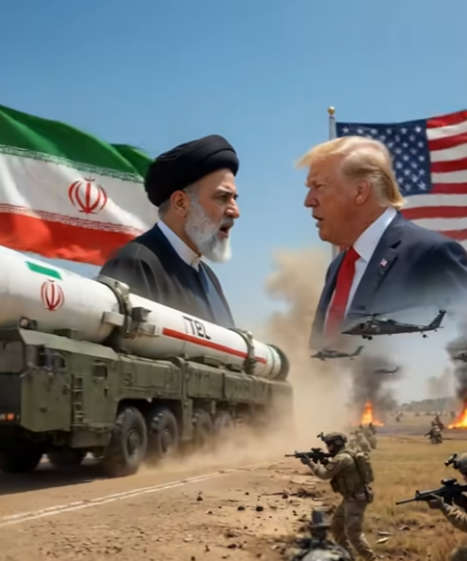
The phrase “HERE WE GO” captures the tense atmosphere surrounding Iran’s latest diplomatic moves. In a conflict that erupted in late February 2026 with US-Israeli strikes on Iranian targets, Tehran has submitted a revised proposal via Pakistani mediators aimed at ending the war and addressing the critical Strait of Hormuz blockade.
This development comes amid a fragile ceasefire, escalating economic pressures from disrupted oil flows, and high-stakes negotiations. President Donald Trump and his team are reviewing the Iranian counter-offer, with a US response anticipated as early as tomorrow (Sunday, May 24). Pakistani officials describe the proposal as “fairly comprehensive,” while expressing cautious optimism.
Background: How We Got Here
The 2026 Iran war began with major US-Israeli military operations targeting Iranian nuclear facilities, military sites, and leadership figures. Iran retaliated with missile and drone barrages against Israel, US bases in the region, and Gulf states, while effectively closing or heavily restricting the Strait of Hormuz—the chokepoint for about 20-30% of global oil trade.
This triggered a naval blockade, skyrocketing energy prices, and proxy escalations involving Hezbollah, Houthis, and other Axis of Resistance groups. Three months in, the conflict has caused significant damage in Iran, Lebanon, and beyond, with thousands of casualties and widespread economic fallout.
Ceasefire talks have dragged on through intermediaries, primarily Pakistan, Qatar, and others. Previous Iranian responses were dismissed by Trump as “TOTALLY UNACCEPTABLE,” particularly those demanding compensation for damages, full lifting of sanctions and blockades, and guarantees on sovereignty over the Strait.
Iran’s latest move appears calibrated to narrow gaps while maintaining core red lines.
What Iran Is Proposing Now
According to reports from Iranian state media, Pakistani sources, and Western outlets, the revised proposal includes:
- Permanent End to Hostilities: Not just a temporary ceasefire, but a comprehensive halt to military operations by the US, Israel, and allies across multiple fronts, including Lebanon.
- Strait of Hormuz and Maritime Issues: Gradual reopening of the Strait under Iranian oversight or a new “Persian Gulf Strait Authority.” Iran has been charging fees (up to $2 million per vessel in some cases, payable in yuan or bitcoin) and coordinating safe passages. The proposal likely demands an end to the US naval blockade and recognition of Iranian influence in the waterway.
- Nuclear Framework: Iran offers to dilute or transfer some highly enriched uranium (HEU) to a third country, with retrieval guarantees if talks fail. It refuses full dismantlement of facilities and seeks a shorter suspension of enrichment (less than 20 years). Nuclear talks would follow a 30-60 day initial MOU period.
- Economic and Sovereignty Demands: Lifting of sanctions, war damage compensation, and no “surrender” through pressure. Iranian President Masoud Pezeshkian and officials emphasize that dialogue does not equal weakness.
- Regional De-escalation: Broader guarantees involving proxies and Gulf security.
Iran’s IRGC has threatened to “expand the war far beyond the region” if strikes resume, signaling readiness to target shipping lanes, conduct asymmetric attacks, or hit distant assets.
US and Israeli Perspectives
The Trump administration insists on no Iranian nuclear weapons capability, verifiable dismantlement or long-term suspension of enrichment, and secure maritime traffic. Trump has expressed impatience, calling Iran “playing games” while praising some negotiators.
Israel, under Netanyahu, views the deal skeptically. Reports indicate Netanyahu left a recent call with Trump “with his hair on fire,” urging resumption of strikes. Israeli officials fear any deal allowing Iran to retain infrastructure could lead to future breakout capability. Coalition meetings are underway in Israel tonight.
Gulf states like the UAE and Saudi Arabia are pushing for de-escalation to stabilize oil markets but remain wary of Iranian influence.
Strategic Analysis: Why This Response Matters
Iran’s approach combines defiance with pragmatism. The regime has survived initial strikes, rebuilt some capabilities, and used the Hormuz card to inflict global pain (oil prices surged multiple times). By responding through mediators while maintaining military pressure options, Tehran projects strength domestically—”the steadfastness of the courageous armed forces and the resistance of the brave Iranian nation.”
However, Iran faces severe internal challenges: economic strain, potential domestic unrest, and depleted missile stocks. The controlled maritime zone and toll system show creative revenue generation amid isolation.
For the US, the calculus involves avoiding a protracted regional war that could draw in more actors (China buying discounted Iranian oil, Russia providing support). A deal could stabilize energy markets ahead of other global priorities.
Risks remain high. “It is never over till it is done,” as one Pakistani official noted. Miscalculations—such as a provocative incident in Hormuz or Israeli unilateral action—could reignite full-scale fighting.
Broader Implications
Economic: Successful de-escalation could ease oil prices, benefiting consumers worldwide. Failure risks sustained disruption, inflation, and recessionary pressures.
Geopolitical: A deal would test US credibility with allies (Israel, Gulf partners) and adversaries. It might reshape Middle East alliances, with Pakistan gaining diplomatic stature.
Nuclear Non-Proliferation: Any agreement setting shorter timelines or allowing retention of capabilities could embolden other threshold states.
Human and Regional Impact: Millions affected by war, displacement, and economic hardship. Protests in the US and Iranian diaspora highlight divided opinions.
Iran’s latest response keeps talks alive but tests US patience. It reflects a regime betting on endurance and international fatigue with prolonged conflict. Trump’s upcoming decision—potentially after consulting Netanyahu—will determine if this leads to a memorandum of understanding or renewed escalation.
The coming days are critical. Diplomacy has narrowed gaps, per Iranian statements, but core divergences on nuclear permanence, Hormuz control, and verification remain.
In this high-wire act, both sides signal willingness to compromise while preparing contingencies. The world watches as “HERE WE GO” evolves from social media hype to potential history-shaping outcome. Whether it ends in breakthrough or breakdown depends on mutual recognition that escalation serves no one’s long-term interests.