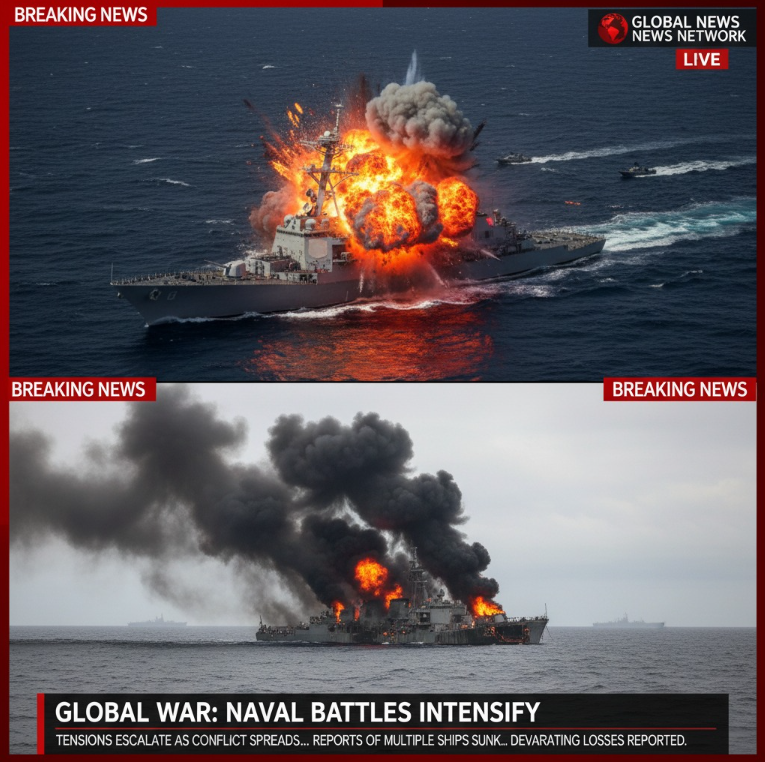
The Strait of Hormuz has long been one of the most strategically important waterways in the world, serving as a critical chokepoint for global energy transportation. Roughly twenty percent of the world’s oil supply passes through this narrow corridor each day, making it a central focus of international security concerns. In recent weeks, tensions in the region have escalated dramatically due to a series of provocative actions and military posturing. Reports indicate that Iranian forces have increased their naval presence in the strait, deploying patrol boats, mines, and surveillance drones to assert control over the waters. These deployments have raised alarms across the international community, as the strait is vital not only for energy exports but also for maintaining stable global trade routes. The presence of military assets from multiple nations in and around the strait has created a highly volatile environment in which even small incidents could escalate into major confrontations. For the United States and its allies, maintaining freedom of navigation is a central priority. U.S. naval forces have been operating in the Gulf and Strait of Hormuz to ensure safe passage for commercial vessels and to deter potential attacks on international shipping. However, the proximity of Iranian forces, combined with their growing capacity for asymmetric warfare, has made these operations increasingly risky. In recent months, multiple incidents involving civilian vessels have heightened fears of an open conflict. These include attacks on commercial tankers, some of which have resulted in casualties among crew members and significant damage to ships. While no verified reports confirm attacks on U.S. warships in the strait, the perception of risk remains extremely high. Electronic warfare, mines, and fast attack craft could potentially disrupt naval operations and create dangerous situations for even the most advanced ships. The use of asymmetric tactics, including swarming small boats and deploying naval mines, has long been a strategy employed by Iranian forces to offset the technological superiority of larger navies. This approach complicates decision-making for commanders in the field, as conventional defensive measures may not be sufficient to neutralize these threats. In response to the heightened tensions, U.S. military officials have increased their readiness posture in the region, conducting exercises and surveillance operations designed to monitor Iranian activity and respond quickly to any hostile action. Diplomatic channels have also been engaged in parallel, with efforts to de-escalate tensions and prevent miscalculations that could lead to broader conflict. International organizations, including the United Nations and allied governments, have called for restraint and adherence to established maritime law to avoid incidents that could further destabilize the region. The economic implications of the crisis are significant. Disruptions in the Strait of Hormuz could lead to increased energy prices worldwide, as traders anticipate supply shortages and shipping delays. Insurance costs for vessels operating in the region have also surged, reflecting the heightened risk environment. For commercial operators, navigating the strait has become a complex calculation involving safety, legal considerations, and financial risk. Beyond economics, the strategic stakes are high. Control over the Strait of Hormuz provides leverage over energy exports and regional influence, making it a focal point for both military and diplomatic maneuvering. Iran has repeatedly signaled that it could restrict passage through the strait in response to perceived threats, escalating the tension with neighboring countries and the broader international community. The potential for miscalculation is considerable. In a narrow waterway with a high density of military and commercial traffic, even minor navigational errors or misunderstandings could lead to collisions, damage, or unintentional escalation. The presence of mines or unmanned vessels adds another layer of risk. Commanders must balance assertiveness with caution, ensuring that defensive measures protect assets without provoking conflict unnecessarily. Media reports and social media have further complicated the situation, with unverified claims sometimes inflating the perception of immediate threats. While the public may encounter headlines suggesting direct attacks on military vessels, verification through official channels is essential. Analysts caution against drawing conclusions from incomplete or sensationalized information, emphasizing the importance of relying on credible sources. Historically, the Strait of Hormuz has been a flashpoint for regional and international tensions. Past incidents involving mines, naval confrontations, and commercial ship seizures demonstrate how quickly situations can escalate when multiple actors with competing interests operate in close proximity. Lessons from these events underscore the need for careful monitoring, rapid response, and clear communication among naval forces. Looking forward, the situation remains fluid. Continued vigilance is necessary to ensure safe passage through the strait, protect commercial and military assets, and prevent escalation. Diplomatic efforts must complement military readiness, aiming to reduce misunderstandings and foster cooperation among regional stakeholders. The international community recognizes that stability in the Strait of Hormuz is critical not only for regional security but for global economic stability. Shipping lanes, energy supplies, and trade networks all depend on unimpeded access through this narrow maritime corridor. Consequently, all parties have a vested interest in maintaining calm, adhering to maritime law, and avoiding provocative actions that could trigger conflict. In conclusion, the current situation in the Strait of Hormuz highlights the delicate balance between military readiness, diplomatic engagement, and economic considerations. While Iranian forces have increased their presence and engaged in provocative maneuvers, there is no verified evidence of attacks on U.S. warships at this time. The combination of asymmetric threats, dense maritime traffic, and global strategic importance makes this one of the most sensitive areas in the world. Ongoing monitoring, careful decision-making, and clear communication among all parties are essential to prevent escalation and maintain the free flow of commerce through the strait. The coming days and weeks will be critical in determining whether tensions de-escalate or continue to rise, with potential implications for international security, energy markets, and regional stability.
Iran attacks two US ships in Strait of Hormuz…See more