🌍 Current Major Wars and Conflicts (Real, Ongoing)
1. Russia’s Invasion of Ukraine
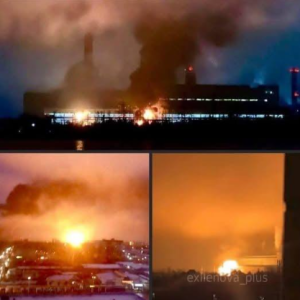
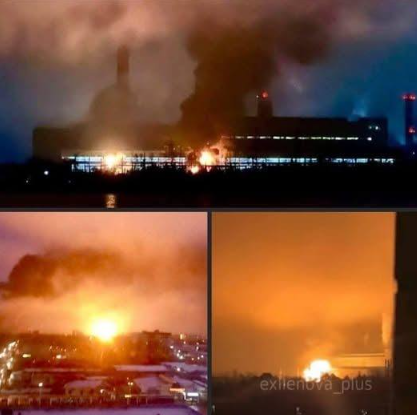
The war in Ukraine remains a major armed conflict between Russia and Ukraine that began in February 2022 and is still actively ongoing. Recent reports highlight continued fighting — including Russian drone strikes and accusations from both sides of attacks on key figures — with no peace agreement yet in place.
This war has involved large numbers of troops, heavy weaponry, and civilian suffering, and continues to be a focal geopolitical crisis affecting European security.
2. Middle East Tensions — Israel, Iran, and Proxies
There is an ongoing and serious escalation in the Middle East involving Israel, Iran, and allied groups:
-
A proxy war framework remains intensely active: Israel and Iran-aligned forces (including Houthis in Yemen and others) have exchanged attacks since a major escalation in 2025, including strikes on Iranian military and nuclear sites and Iranian missile salvos.
-
This conflict is separate from a proclaimed world war, but it does involve multiple countries and armed actions beyond a single localized war.
At the same time, the United States has increased its military buildup in the Middle East in early 2026 — including carrier strike groups and other forces — in response to these tensions and to deter possible further escalations.
3. Other Localized but Serious Conflicts
At the same time as Ukraine and the Middle East, there are other periods of armed conflict or geopolitical stress around the world (e.g., in parts of Africa and Asia), but these do not constitute a unified global war.
🧠 Are We in World War III Right Now?
No official or authoritative global institution (e.g., United Nations, NATO, AP/Reuters/BBC) is reporting that World War III has begun. There are no global declarations of war between great powers, and the major military alliances are not in mutual combat as a whole. In other words:
-
There is no confirmed worldwide alert with all nations mobilizing for global war.
-
There is no formal declaration that WWIII has started by major governments.
There are warnings, speculation, and analysis from experts and commentators — but that is not the same as confirmed actuality:
• Expert Warnings & Risk Analysis
Security analysts and some leaders have warned that the risk of a larger global conflict could rise if existing wars escalate or new fronts open — for example:
-
Analysts estimate a non-negligible chance of a major global conflict (World War III) within the next decade based on rising tensions between global powers and Arctic, Russian-NATO, China-Taiwan, and Middle East flashpoints.
-
Nuclear arms control treaties have ended or stalled, raising fears of a new arms race and making misunderstandings riskier.
-
Nobel laureates and experts have issued urgent appeals to reduce nuclear risks and avoid catastrophic escalation.
These warnings reflect concern about potential future escalation, not confirmation that a global war is actually underway.
🧩 Understanding the Difference: Multi-Conflict World vs. World War III
When people say “world war,” they often mean multiple major wars happening concurrently. But an actual World War III would entail:
-
Major powers fighting each other directly
(e.g., U.S. forces vs. Russian forces in active combat) -
Global alliances fully mobilized
(e.g., NATO nations all in active combat roles vs. rival blocs) -
Widespread fronts across continents
(not just isolated theaters of conflict)
As of today:
-
Russia and Ukraine remain in a high-intensity conflict.
-
Israel and Iran-associated forces are in serious escalation.
-
The U.S. and Iran tensions are high, with military deployments.
-
Other regional conflicts persist.
But there is no reported, verified global declaration or simultaneous formal war among all major powers.
So the world today is dangerous and volatile, but not in a state of officially declared worldwide warfare involving all major global powers. That distinction matters.
🧨 Why People Feel Like “World War III Has Begun”
There are several reasons for global anxiety:
🔹 1. Multiple High-Intensity Conflicts
When Ukraine, Middle East wars, and China-Taiwan tensions all happen simultaneously, it feels like a global war is underway — even if it’s not a unified global conflict.
🔹 2. Nuclear Risk and Military Buildups
The end of major nuclear arms treaties has increased the risk perception, and military buildups in strategic regions (Middle East, Indo-Pacific) raise stakes.
🔹 3. 24/7 News & Social Media
Continuous news and social platforms amplify conflict imagery and warnings, making threats feel immediate and all-encompassing even when they are region-specific.
🔹 4. Expert and Political Rhetoric
Leaders and analysts sometimes use dramatic language to warn about dangers, but that doesn’t equal an actual declaration of world war.
🧭 The Real Global Security Landscape
Here is a summary of current key issues shaping global tension today:
🟥 Ongoing Warfare
-
Russia-Ukraine war continues without resolution.
-
Israel-Iran-aligned proxies active in Middle East conflict.
🟨 Elevated Risk Factors
-
U.S. military build-up in Middle East due to tensions with Iran.
-
Nuclear arms control frictions and technical modernization in major powers.
🟢 Diplomatic Engagements
-
Peace talks and negotiations continue intermittently (e.g., U.S.–Russia nuclear diplomacy).
🟡 Uncertainty and Expert Caution
-
Analysts warn escalation remains possible — but not inevitable — and emphasize diplomacy.
🧠 Conclusion: Reality Check on “World War Begins”
❗ There is no verified “maximum worldwide alert” or a global war beginning right now.
📍 What is true: there are several high-intensity wars and flashpoints that create serious risks of escalation.
The world today is not in an official, all-encompassing global war — but it is in a period of significant geopolitical tension and multiple concurrent conflicts.