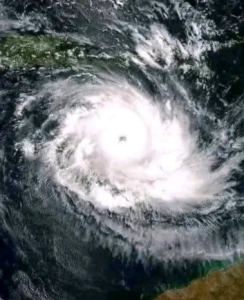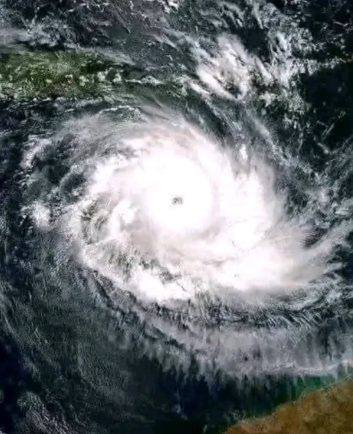
🌪️ 1) Hurricane Melissa: A Monster Storm
A Rare Category 5 Hurricane
Hurricane Melissa underwent rapid intensification into a Category 5 hurricane, which is the strongest classification on the Saffir-Simpson scale, reserved for storms with sustained winds ≥ 157 mph (252 km/h). This level of strength is capable of catastrophic structural damage, massive storm surge, and deadly flooding.
Meteorologists noted that Melissa exploded in intensity due to very warm ocean temperatures and low wind shear, which are the atmospheric conditions that allow tropical systems to strengthen quickly.
Projected Path & Timing
Forecasters with the U.S. National Hurricane Center (NHC) reported that Melissa was expected to approach land — particularly Jamaica — at or near Category 5 strength. Communities in its path were bracing for landfall within hours to days after the storm reached its peak intensity.
Life-Threatening Impacts
Even before landfall, Melissa’s outer bands were already producing fierce winds, torrential rain, and dangerous ocean swells well offshore.
Forecasters warned of:
-
Catastrophic storm surge, especially in low-lying coastal zones
-
Torrential rainfall producing flash flooding and inundation
-
Landslides in mountainous terrain after prolonged rains
-
Winds strong enough to destroy structures and down power lines
One meteorologist described the confluence of threats as the most intense set of hurricane dangers all happening at once.
🏝 2) Regional Preparations and Warnings
Jamaica
Officials in Jamaica issued evacuation orders and emergency warnings in advance of the storm’s arrival. Government agencies emphasized:
-
Secure structures and board up windows
-
Evacuations from coastal and flood-prone areas
-
Sheltering in strong buildings away from the coast
-
Expectation of storm surge and flooding to worsen rapidly
Jamaican leaders noted infrastructure in many areas simply cannot withstand the power of a Category 5 hurricane, meaning damage would be widespread and recovery difficult.
Other Caribbean Islands
After Jamaica, forecasts predicted Melissa could:
-
Cross southeastern Cuba
-
Continue toward parts of the Bahamas
-
Bring damaging winds, flooding rains, and dangerous surf to these regions as well.
Travel advisories and disaster alerts were issued well before landfall, urging U.S. citizens and other residents to consider evacuation or sheltering in place depending on their location and the storm’s forecast track.
⚡ 3) What a Category 5 Hurricane Means
The Scale
The Saffir-Simpson Hurricane Wind Scale classifies hurricanes from Category 1 to 5. At Category 5:
-
Sustained winds exceed 157 mph (252 km/h)
-
Structures can be wiped off foundations
-
Trees uprooted and power infrastructure destroyed
-
Storm surge can inundate coastal zones, reaching many feet above normal tide levels
Such storms are relatively rare — only a small fraction of all hurricanes achieve Category 5 intensity.
Why They Intensify
Hurricanes gain strength from very warm ocean water and favorable upper-level winds. When conditions align — especially in the late Atlantic hurricane season — storms can rapidly intensify from a tropical storm to a major hurricane in a matter of days or even hours.
This rapid intensification is one reason emergency warnings often urge early preparation — waiting until a storm is imminent can reduce the time available to act safely.
🌧️ 4) Historical Impact & Climate Context
While Melissa was a standout example of an intense storm, it was not unique in the broader pattern of the 2025 Atlantic hurricane season:
-
Multiple storms during that season reached major hurricane status
-
A few attained or approached Category 5 strength
-
Overall season activity was above average, influenced by warm ocean temperatures that fuel stronger tropical systems.
Scientists studying Atlantic hurricane climatology have noted that warming waters associated with climate change increase the likelihood of powerful storms, though the precise contribution to any single storm varies.
In historical context, every Category 5 hurricane brings major challenges due to:
-
Widespread infrastructure damage
-
Long-term power outages
-
Extended recovery timelines for communities
-
Displacement of residents and disruption of economic activity
📌 Summary — What the Reporting Shows
Even though there is no verified, present-day alert today about a Category 5 hurricane making landfall “in the coming hours,” the coverage from the past season vividly illustrates what such a threat looks like:
✔ Hurricane Melissa did strengthen to Category 5 and was forecast to hit Jamaica imminently before landfall.
✔ Authorities issued emergency warnings and evacuations, knowing the storm could bring catastrophic flooding, wind damage, and storm surge.
✔ Such storms are among the most destructive nature can produce, with impacts that last long after the winds calm.