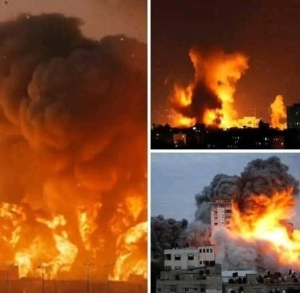
BREAKING NEWS Headlines and the Reality Behind Them: Why the World Feels on Edge—but War Has Not “Begun”
In recent hours, dramatic headlines declaring a “maximum worldwide alert” and proclaiming that “the war begins” have surged across social media feeds, messaging apps, and fringe news sites. The language is urgent, emotional, and deliberately alarming. It commands attention—and it spreads fast. But beneath the shock value lies a more sober reality: while global tensions are real and complex, claims of an imminent, undefined world war are not supported by verified facts.
Understanding why these headlines appear, how they spread, and what the actual global situation looks like is essential in a time when fear can travel faster than truth.
Why the World Feels Like It’s on the Brink
The sense of global instability did not appear overnight. Over the past decade, the international landscape has grown more fragmented. Major powers compete economically and technologically. Regional conflicts persist. Cyberattacks, disinformation campaigns, and proxy wars blur the line between peace and conflict. When combined, these factors create a constant hum of anxiety.
Add to this the immediacy of modern media. Unlike earlier eras, today’s news cycle never sleeps. A military drill, a diplomatic warning, or a sudden escalation in one region can be amplified within minutes, stripped of context, and transformed into an existential threat by the time it reaches millions of screens.
This environment makes people more susceptible to language like “maximum alert” or “the war begins,” even when no such declaration exists.
What “Worldwide Alert” Language Actually Means
In official terms, a true “worldwide alert” would require coordinated statements from governments, international organizations, and defense agencies. Such alerts are rare and highly specific. When they occur, they are accompanied by clear explanations: who is involved, where, and why.
Viral headlines, by contrast, often use alert-style language without any official backing. They rely on vagueness—no country named, no conflict identified, no credible sources cited. This ambiguity is not accidental. It allows fear to fill the gaps.
In reality, governments issue localized advisories, travel warnings, or security updates regularly. These are precautionary measures, not declarations of war. Conflating the two distorts public understanding and fuels unnecessary panic.
The Role of Social Media and Algorithmic Fear
Platforms reward engagement. Fear drives engagement. A headline that suggests the beginning of a global war is far more likely to be shared than a nuanced analysis of diplomatic tensions.
Once such a headline gains traction, algorithms amplify it further. People react emotionally—commenting, reposting, speculating—and each interaction pushes the content to more users. Within hours, an unverified claim can feel like a global consensus.
This cycle creates what experts call “manufactured urgency,” where people believe something catastrophic is happening simply because everyone appears to be talking about it.
Real Conflicts vs. Global War
It is important to distinguish between ongoing conflicts and a global war. The world unfortunately contains multiple active conflict zones, and these situations are serious, tragic, and deserving of attention. However, a global war implies coordinated, large-scale military engagement between major powers across multiple continents.
At present, no such unified escalation has been officially declared.
Diplomatic channels remain active. International institutions continue to function. Trade, travel, and communication—key indicators of global stability—have not collapsed. These facts matter, even when they are less dramatic than viral claims.
Psychological Impact of Alarmist Headlines
Repeated exposure to “breaking” war alerts can have real consequences. Anxiety, helplessness, and fatigue set in. People begin to feel that catastrophe is inevitable, which can erode trust in institutions and discourage critical thinking.
This psychological toll is not accidental. Fear-based messaging has long been used to influence public behavior—politically, economically, and socially. When people are afraid, they are more likely to react impulsively, share unverified information, or accept extreme narratives.
Recognizing this pattern is the first step toward resisting it.
How to Respond as a Reader
In moments like this, information hygiene becomes essential.
-
Pause before sharing. Ask whether the headline names sources or relies on vague urgency.
-
Check multiple credible outlets. If a world-changing event were truly unfolding, it would be reported consistently across established international media.
-
Look for official statements. Governments and global organizations communicate through verified channels, not anonymous posts.
-
Separate concern from panic. Being informed does not require being afraid.
Why Responsible Reporting Matters
Language shapes perception. Declaring “the war begins” without evidence is not reporting—it is provocation. Responsible journalism contextualizes risk, distinguishes possibility from probability, and avoids inflaming fear for clicks.
In an interconnected world, words can move markets, strain communities, and destabilize trust. That is why restraint and accuracy matter more now than ever.
The Bigger Picture
The world is facing genuine challenges: geopolitical rivalry, climate stress, economic uncertainty, and technological disruption. These issues require vigilance, cooperation, and informed public discourse—not panic-driven narratives.
History shows that global catastrophes are often preceded not just by conflict, but by misinformation and emotional escalation. Staying grounded in verified facts is not complacency; it is resilience.
Conclusion: Alert, Not Alarmed
Yes, the world is tense. Yes, conflicts exist and demand attention. But claims that “the war begins” without clear evidence are not warnings—they are distortions.
Being globally aware means staying alert to real developments while refusing to be manipulated by fear. In an age where headlines can feel apocalyptic by design, calm analysis becomes an act of responsibility.