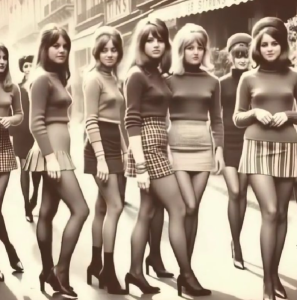
How 1970s Fashion Redefined Style, Identity, and Freedom
The 1970s was more than a decade of bold colors, flared silhouettes, and experimental textures—it was a cultural turning point where fashion became a powerful expression of identity and personal freedom. Unlike previous eras that emphasized conformity or rigid ideals of elegance, the 1970s embraced individuality. Clothing stopped being merely about appearance and started reflecting beliefs, lifestyles, and social change. In many ways, the fashion of the 1970s didn’t just follow history; it helped shape it.
One of the defining features of 1970s fashion was its rejection of uniformity. The decade opened in the shadow of the 1960s counterculture movement, and its influence was unmistakable. Young people no longer wanted to dress like their parents or adhere to traditional standards of “proper” style. Instead, they mixed influences freely—vintage pieces, handmade garments, ethnic textiles, and futuristic materials all coexisted. This mix-and-match approach signaled a broader shift: identity was becoming self-defined rather than prescribed.
Bell-bottom jeans became one of the most iconic symbols of the era. Originally worn by sailors, they were adopted by youth culture and transformed into a statement of rebellion and ease. Their exaggerated flare challenged the narrow silhouettes of earlier decades, emphasizing movement and comfort. Paired with platform shoes, bell-bottoms turned walking into a performance—every step was a declaration of presence and confidence. Fashion in the 1970s encouraged people to take up space, both physically and culturally.
Freedom was also expressed through fabric choices. Natural materials like denim, suede, cotton, and leather reflected a growing desire to reconnect with authenticity and the earth. At the same time, synthetic fabrics such as polyester gained popularity for their affordability and durability, making fashionable clothing accessible to a wider population. This democratization of style meant that self-expression was no longer reserved for the elite. Anyone could participate in the fashion conversation.
Gender norms were another boundary the 1970s boldly challenged. The rise of unisex fashion blurred the lines between “men’s” and “women’s” clothing. Flowy blouses, tailored suits with wide lapels, and bold patterns appeared across genders. Icons like David Bowie and Cher used fashion to question rigid ideas of masculinity and femininity, showing that identity could be fluid, performative, and deeply personal. Clothing became a tool for exploring who you were—or who you wanted to be.
The disco era brought a different kind of freedom—one rooted in celebration and visibility. Disco fashion was unapologetically glamorous: sequins, metallic fabrics, jumpsuits, and plunging necklines dominated dance floors. These looks weren’t just about style; they were about liberation. Clubs became spaces where marginalized communities, especially Black, Latino, and LGBTQ+ individuals, could express themselves openly. Fashion amplified that expression, turning bodies into moving symbols of joy and resistance.
Meanwhile, the bohemian aesthetic told another story of freedom. Influenced by global travel, spiritual exploration, and anti-establishment values, boho fashion favored flowing dresses, fringe, embroidery, and earthy tones. This style rejected mass production and celebrated craftsmanship and individuality. Wearing bohemian fashion signaled a desire for a slower, more meaningful life—one not defined by corporate norms or rigid social expectations.
Politics and fashion were deeply intertwined during the decade. Feminism, civil rights movements, and anti-war activism all influenced how people dressed. Women embraced pantsuits and more practical clothing as symbols of equality and independence. These choices weren’t just functional; they were ideological. Clothing became a quiet protest, a way of signaling beliefs without saying a word.
The influence of music on 1970s fashion cannot be overstated. Rock, funk, soul, and punk each brought distinct aesthetics. Punk, emerging in the latter part of the decade, rejected polish entirely. Ripped clothing, safety pins, and aggressive styling challenged the idea that fashion had to be beautiful to be meaningful. Instead, it had to be honest. Punk fashion was raw, confrontational, and deeply political—a reminder that freedom also includes the right to reject mainstream ideals.
What made 1970s fashion so transformative was its openness. There was no single “right” look. Style became a collage of influences, experiences, and values. This openness allowed people to see themselves reflected in what they wore, rather than squeezing into predefined molds. Fashion became a dialogue between the individual and the world, rather than a set of rules imposed from above.
The legacy of 1970s fashion is still visible today. Modern trends—from flared jeans and platform shoes to gender-fluid styling and vintage revival—trace their roots back to this decade. More importantly, the idea that fashion is a form of self-expression, tied to identity and freedom, remains central to contemporary style.
In redefining how people dressed, the 1970s also redefined how people saw themselves. Clothing became a language of possibility, a way to signal belonging, rebellion, confidence, and change. The decade proved that fashion could be more than surface-level aesthetics—it could be a declaration of who you are and the freedom to choose it for yourself