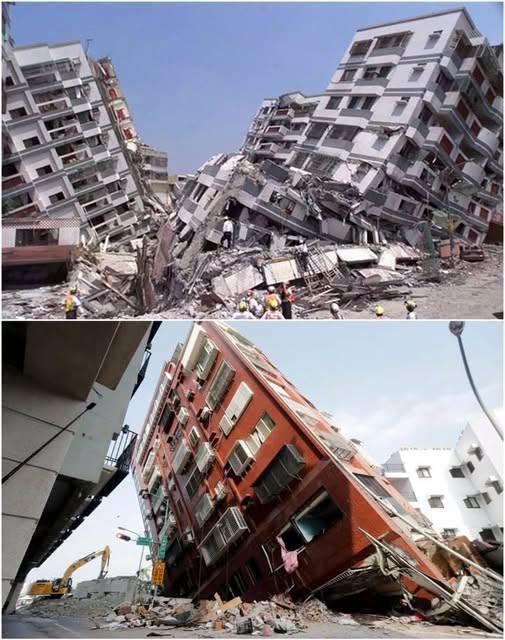
BREAKING NEWS: Powerful Earthquake Strikes Central Peru — Homes Damaged, Residents Terrified, and Emergency Teams Mobilized 🚨🌎
A powerful earthquake has shaken central Peru, frightening residents, disrupting daily life, and triggering emergency response efforts across affected communities. The tremor sent people rushing out of buildings and homes as the ground moved beneath their feet.
What began as a frightening evening quickly became a major concern for local authorities, emergency workers, and families waiting for information about their loved ones.
The earthquake struck on November 20, 2026, at approximately 7:09 p.m. local time. It registered around magnitude 6.7, with its epicenter in the central Andes near the Junín region.
Although early reports indicated no immediate casualties or significant structural damage, subsequent assessments revealed a more serious situation in several affected areas.
According to later reports, at least one person died, 16 people were injured, and hundreds of residents experienced damage to their homes or displacement.
AP News+1
The situation has raised fresh concerns about earthquake preparedness in a country that sits within one of the world’s most seismically active regions.
The Ground Shook Across Central Peru
The earthquake was felt across several parts of Peru, including Junín, Huánuco, Pasco, and the capital region.
In Lima, residents reportedly rushed outside as buildings shook. Some people gathered in open spaces, afraid that another tremor might follow.
For many families, the experience was terrifying. Furniture moved, objects fell from shelves, and people struggled to determine whether it was safe to return indoors.
The earthquake’s depth helped limit some of the shaking and damage at the surface, but it did not prevent serious consequences in vulnerable communities.
According to reporting on the emergency response, authorities continued assessing the affected areas as information became available.
Homes Damaged and Families Displaced
One of the most concerning developments came when authorities began evaluating residential buildings and public facilities.
Reports published after the earthquake indicated that 152 homes had become uninhabitable, while another 156 had sustained damage.
More than 850 people were reported homeless, with hundreds of additional residents affected.
The earthquake also affected important community facilities, including schools, medical centers, places of worship, and community buildings.
For families whose houses were no longer safe, the immediate challenge was finding somewhere secure to sleep.
Some residents needed temporary shelter, food, clean drinking water, and medical assistance.
These figures illustrate why an earthquake’s impact cannot be measured by magnitude alone. Even when the strongest shaking is relatively limited in some locations, vulnerable buildings and communities can suffer substantial consequences.
teleSURenglish
Emergency Teams Begin Responding
Following the earthquake, emergency authorities began coordinating assessments and assistance.
Rescue personnel and local officials faced the difficult responsibility of determining which communities needed help most urgently.
Their work included checking damaged buildings, identifying residents requiring medical attention, evaluating roads, and coordinating temporary assistance.
In earthquake emergencies, the first hours are especially important.
People may become trapped, injured, or separated from family members. Damaged roads can make reaching isolated communities more difficult.
Emergency teams must also consider the possibility of aftershocks, which can create additional dangers for people entering already weakened structures.
Authorities therefore have to balance the urgency of rescue operations with the safety of emergency personnel and residents.
Why Peru Experiences Powerful Earthquakes
Peru is located along the Pacific Ring of Fire, an enormous zone surrounding much of the Pacific Ocean.
This region is known for frequent earthquakes and volcanic activity.
The country’s seismic activity is closely connected to the movement of tectonic plates beneath the Earth’s surface.
The Nazca Plate moves beneath the South American Plate in a process known as subduction.
As these enormous geological structures interact, pressure can build along faults. When accumulated stress is released, seismic waves travel through the ground and produce an earthquake.
This is why Peru experiences earthquakes regularly.
Although scientists monitor seismic activity and study fault systems, accurately predicting the exact date, time, and location of a major earthquake remains impossible.
The Fear of Aftershocks
After a major earthquake, smaller tremors can continue for hours, days, or sometimes longer.
These events are called aftershocks.
Although many aftershocks are weaker than the original earthquake, they can still create dangerous conditions, particularly when buildings have already suffered structural damage.
Residents are encouraged to remain alert, follow instructions from emergency authorities, and avoid entering buildings that may have been weakened.
Even small cracks in walls or damaged structural supports should be taken seriously when officials are assessing earthquake damage.
Families should also keep essential supplies nearby, including drinking water, flashlights, batteries, medication, and important documents.
Families Face an Uncertain Future
Beyond the immediate emergency, the earthquake has created another challenge: rebuilding lives.
For families who have lost access to their homes, the road to recovery may be difficult.
Parents must think about where their children will sleep, how they will continue their education, and how they will replace damaged belongings.
Older residents and people with disabilities may face additional difficulties when accessing temporary shelters and medical services.
Small businesses can also suffer when buildings become unsafe or roads are disrupted.
For communities that depend on local commerce, agriculture, and transportation, even temporary interruptions can create financial hardship.
Recovery therefore requires more than emergency rescue operations. It requires sustained support, safe housing, repairs to public infrastructure, and assistance for vulnerable families.
A Reminder About Earthquake Preparedness
This disaster is another reminder that earthquake preparedness should never be ignored.
Experts generally recommend that people:
-
Drop, cover, and hold on when shaking begins.
-
Stay away from windows and objects that could fall.
-
Avoid using elevators during an earthquake.
-
Move away from damaged buildings when it is safe.
-
Keep emergency supplies available.
-
Follow official evacuation and safety instructions.
-
Avoid returning to structurally damaged buildings until authorities declare them safe.
Preparation can make an enormous difference when an unexpected earthquake occurs.
The World Watches and Hopes for Recovery
The earthquake in central Peru has once again demonstrated how quickly an ordinary evening can become an emergency.
Families have faced frightening moments, homes have been damaged, and communities have been forced to confront uncertainty.
The reported loss of life makes the situation especially heartbreaking.
Behind every number is a human story: someone waiting for news, a parent protecting a child, a neighbor helping an injured resident, or a family trying to find somewhere safe to stay.
As emergency assessments and recovery efforts continue, the most important priorities remain protecting lives, supporting displaced residents, and helping affected communities rebuild.
May everyone affected find safety, strength, and the support they need during this difficult time. ❤️🙏
What are your thoughts? Should governments invest more in earthquake-resistant homes, stronger emergency systems, and disaster preparedness to protect families from future tragedies?
Share your message of support for the people of Peru. 🇵🇪❤️