How Long Can a Woman Live Without Physical Intimacy? The Truth May Surprise You! ❤️🤔
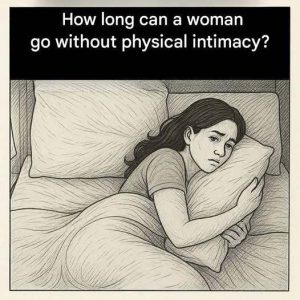
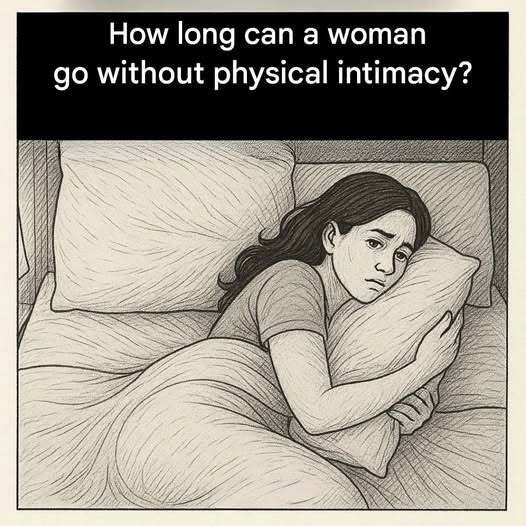
How long can a woman live without physical intimacy? A few weeks, several months, years, or even her entire life?
It is a question that many people wonder about but may feel uncomfortable discussing openly. Physical intimacy is an important part of many romantic relationships, but it is also a deeply personal experience. Some women enjoy an active intimate life, while others are perfectly comfortable living without it for long periods.
The surprising truth is that there is no specific amount of time a woman can live without physical intimacy. A woman can live her entire life without sexual activity. There is no medical deadline, and abstaining from sex does not automatically damage her body.
However, the emotional, psychological, and relationship effects can differ significantly from one woman to another.
Let’s explore what happens when a woman goes without physical intimacy for an extended period.
1. There Is No Time Limit
One of the biggest misconceptions is that women need physical intimacy after a certain number of days or months.
That simply isn’t true.
Some women can go months or years without sexual activity and experience no significant problems. Others may miss intimacy after only a short period.
It depends on individual circumstances, including personal preferences, hormones, emotional needs, relationship experiences, and overall well-being.
There is no universal biological requirement that determines how frequently a woman must have sex.
A woman’s body does not stop functioning normally simply because she is not sexually active.
2. Emotional Needs May Become More Noticeable
Physical intimacy is not always just about sex.
For many women, it is connected to feeling loved, appreciated, emotionally secure, and connected to a partner.
Holding hands, hugging, kissing, cuddling, and spending meaningful time together can all contribute to emotional closeness.
When these experiences disappear from a relationship, some women may begin feeling lonely or disconnected.
They might miss the reassurance of being desired or the comfort of having someone close.
However, this is not true for everyone. Some women feel emotionally fulfilled through friendships, family connections, personal interests, and other forms of affection.
Emotional happiness does not depend on sexual activity alone.
3. Sexual Desire Can Change Over Time
A woman’s interest in physical intimacy can change throughout her life.
Hormonal changes, pregnancy, childbirth, menopause, stress, medications, sleep, and general health can all influence sexual desire.
For example, some women experience a decrease in libido during periods of intense stress or exhaustion.
Others notice changes during menopause because declining estrogen levels can contribute to vaginal dryness or discomfort.
These changes are normal and do not mean that something is necessarily wrong.
Sexual desire is not fixed. It can increase, decrease, disappear temporarily, and return at different stages of life.
4. Some Women Become More Independent
Going without physical intimacy can also give some women an opportunity to focus on themselves.
They may spend more time building careers, pursuing education, caring for children, traveling, exercising, or developing personal interests.
Some women discover that they are comfortable being single and do not feel pressured to enter relationships simply because society expects them to.
They may enjoy their independence and prefer to wait until they meet someone with whom they genuinely connect.
Being single does not mean being unhappy, incomplete, or unsuccessful.
A woman’s worth is not determined by whether she has a romantic partner.
5. Does Going Without Sex Affect the Body?
This is one of the most frequently asked questions.
For most healthy women, there is no direct physical danger associated with not having sex.
The body does not accumulate harmful substances, and there is no medical requirement to have intercourse to maintain reproductive health.
However, some women experience physical changes related to aging or hormonal conditions.
For example, during and after menopause, lower estrogen levels can contribute to vaginal dryness, reduced elasticity, and discomfort during intercourse.
These changes are associated with hormonal changes rather than simply the absence of sexual activity.
If vaginal dryness or discomfort becomes troublesome, a healthcare professional can discuss appropriate treatments and solutions.
6. Sleep and Stress Can Be Different
Some people find that physical intimacy helps them relax and sleep better.
Sexual activity and orgasm can be associated with the release of chemicals involved in pleasure, relaxation, and emotional bonding.
However, that does not mean women who abstain from sex will automatically experience poor sleep or increased stress.
Exercise, healthy routines, supportive relationships, relaxation techniques, and sufficient rest can also contribute to emotional and physical well-being.
There are many ways to manage stress without sexual activity.
7. Loneliness Is Not the Same as Being Sexually Inactive
A woman can go without sex and still feel deeply loved.
She may have wonderful friendships, close family relationships, meaningful work, and a fulfilling social life.
On the other hand, a woman can be sexually active and still feel emotionally lonely.
This distinction is important.
Physical intimacy and emotional intimacy are related for many people, but they are not identical.
Some women primarily miss physical affection, while others miss meaningful conversations, companionship, trust, and emotional support.
Understanding what someone actually needs is more important than assuming every woman experiences intimacy in the same way.
8. What Happens in a Relationship Without Intimacy?
When two people have different expectations about physical intimacy, problems can develop.
One partner may want more affection, while the other may be comfortable with less.
Over time, this difference can create frustration, insecurity, misunderstandings, or feelings of rejection.
The solution is not to pressure someone into sexual activity.
Instead, couples should communicate honestly about their feelings and needs.
There may be medical, emotional, psychological, or relationship reasons behind a change in intimacy.
Sometimes counseling or medical advice can help couples understand what is happening.
A healthy relationship requires mutual respect, communication, and consent.
9. Can a Woman Be Happy Without a Romantic Partner?
Absolutely!
Some women choose to remain single for years. Others decide that they do not want romantic relationships at all.
They can build meaningful lives filled with friendships, hobbies, professional achievements, family connections, and personal happiness.
There is no rule stating that every woman must have a partner to experience fulfillment.
Likewise, women who enjoy romantic relationships should never feel embarrassed about wanting affection and companionship.
Both choices deserve respect.
10. When Should a Woman Seek Medical Advice?
Not having physical intimacy is not, by itself, a medical problem.
However, a sudden and distressing change in sexual desire may deserve attention, particularly when accompanied by other symptoms.
Possible contributing factors include:
- Hormonal changes.
- Depression or anxiety.
- Chronic stress and exhaustion.
- Certain medications.
- Menopause-related symptoms.
- Relationship difficulties.
- Pain or discomfort during intimacy.
- Certain medical conditions.
A healthcare professional can help identify possible causes and discuss treatment options when needed.
Women should never feel ashamed to discuss these concerns.
Their comfort and well-being matter.
THE FINAL TRUTH ❤️
So, how long can a woman live without physical intimacy?
The answer is simple: there is no set limit. A woman can live for months, years, or her entire life without sexual activity. Her health and happiness do not depend on meeting a particular sexual schedule.
Some women miss physical affection deeply. Others feel completely comfortable without it. Both experiences are normal.
What matters most is understanding that every woman has different emotional and physical needs.
A woman’s value is not measured by how often she has sex, whether she is married, or whether she has a partner.
Love, respect, happiness, and personal fulfillment come in many forms.
NOW LET’S TALK! 💬
What do you think matters more in a relationship: physical intimacy or emotional connection?
Can two people maintain a happy and loving relationship without regular physical intimacy?
Share your thoughts in the comments. ❤️