🚨 BREAKING NEWS: Alaska Earthquake Raises Tsunami Concerns — Here Is What Residents Need to Know 🌊
A powerful reminder of nature’s unpredictable force has once again drawn attention to Alaska’s earthquake and tsunami risks. The region sits along one of the world’s most seismically active areas, where earthquakes beneath the ocean can sometimes generate dangerous waves capable of reaching coastal communities with little warning.
But when alarming headlines begin circulating online, it is essential to separate confirmed information from speculation. Although an earthquake has been recorded near Alaska, the official tsunami bulletin for the October 20 event reports no tsunami danger from that earthquake.
🌎 Why Alaska Is Vulnerable to Tsunamis
Alaska’s location along the Pacific Ring of Fire makes it particularly vulnerable to earthquakes. Beneath the ocean, tectonic plates move against one another, sometimes releasing enormous amounts of energy.
When an underwater earthquake suddenly shifts the ocean floor, it can displace a large volume of water and generate a tsunami. Unlike ordinary wind-driven waves, tsunamis can travel across entire ocean basins and become destructive when they reach shallow coastal waters.
According to the Alaska Earthquake Center, local tsunamis can be especially dangerous because waves may reach nearby communities within minutes. The first wave is not necessarily the largest, and hazardous conditions can persist for hours. Learn more about Alaska’s tsunami hazards.
These risks explain why emergency officials monitor earthquakes closely and issue alerts whenever the circumstances warrant them.
🚨 What Happened on October 20?
The National Tsunami Warning Center reported a magnitude 5.0 earthquake approximately 45 miles southeast of Sand Point, Alaska, at a depth of about 32 miles.
The official bulletin specifically stated that there was no tsunami danger from this earthquake. The tsunami information available for the event did not establish that a massive wave had struck Alaska or that a statewide evacuation was required.
That distinction is important.
A recorded earthquake does not automatically mean a tsunami has formed. The size, depth, location, and movement of the seafloor all influence whether an earthquake generates a tsunami.
Readers should therefore avoid treating social media headlines claiming a massive tsunami has struck as confirmed news unless official authorities verify the event.
💔 Why Tsunami Warnings Must Always Be Taken Seriously
Even when a particular earthquake presents no tsunami threat, preparedness remains essential for communities along Alaska’s coastline.
A genuine tsunami can flood low-lying neighborhoods, damage roads and bridges, disrupt electricity and communications, and sweep away vehicles and debris. Ports, fishing facilities, and coastal businesses can also be affected.
For residents, the danger is not limited to the initial wave. Powerful currents can continue moving through harbors and waterways long after the first wave arrives.
That is why officials may keep evacuation orders in place even after the sea appears calmer.
The safest approach is to follow the specific instructions issued for your community rather than relying on dramatic online videos or unverified reports.
🏃 What Should Residents Do if a Tsunami Warning Is Issued?
If you live in a coastal area and authorities issue an evacuation order, move away from the shoreline and toward designated higher ground immediately.
If you experience a strong or prolonged earthquake near the coast, do not wait for an official alert before moving to safety when local tsunami guidance identifies the shaking as a natural warning sign.
Remember these essential precautions:
- Follow official emergency alerts and evacuation instructions.
- Move inland or to designated high ground when instructed.
- Do not go to the beach to watch incoming waves.
- Avoid harbors, rivers, and other waterways that may experience dangerous currents.
- Take essential medication and emergency supplies if they are immediately available, but do not delay evacuation to collect belongings.
- Remain in a safe location until authorities announce that it is safe to return.
Alaska’s emergency management officials emphasize moving to higher ground when a tsunami warning is issued and staying there until authorities give the all-clear. Read Alaska’s tsunami safety guidance.
📱 The Importance of Checking Reliable Sources
In today’s digital world, dramatic videos can spread across social media before the circumstances surrounding an event are fully understood.
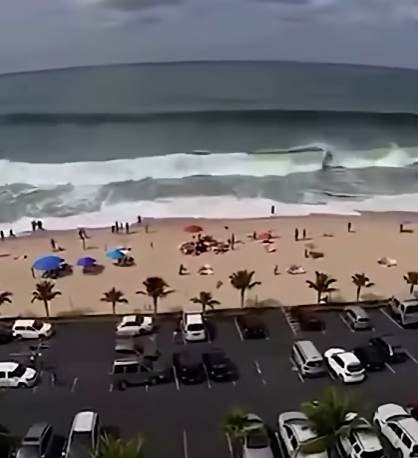
Some clips may show genuine disasters from previous years or locations thousands of miles away. Others may contain misleading captions that suggest an emergency is happening right now.
Before sharing a report about a tsunami, check the National Tsunami Warning Center, the Alaska Earthquake Center, and local emergency management announcements.
The official tsunami website provides current information about warnings, advisories, watches, and threats affecting U.S. coastal areas: Tsunami.gov.
If an evacuation order is issued for your area, follow it immediately. If no order is in effect, continue monitoring official information rather than assuming that a dramatic headline describes conditions where you live.
🙏 A Reminder for Families and Coastal Communities
For people living in Alaska, earthquakes are a reality of life. Preparation can make an enormous difference when a genuine emergency occurs.
Families should know their evacuation routes, identify safe locations, prepare emergency supplies, and discuss how they will communicate if telephone service becomes unavailable.
Schools, businesses, and community organizations can also help by ensuring that people understand evacuation procedures before a crisis begins.
Most importantly, residents should never underestimate a real tsunami warning. A few minutes spent moving to safety can save lives.
🌊 The Bottom Line
The latest official information for the October 20, 2026, earthquake near Sand Point reports no tsunami danger from that event. Claims that a massive tsunami has struck Alaska and forced residents to evacuate have not been established by the official information reviewed for this article.
Alaska remains vulnerable to future earthquakes and tsunamis, making awareness and preparedness essential.
Please share verified emergency information, follow local authorities, and never ignore a genuine tsunami warning. Your family and neighbors deserve accurate information that helps them stay safe rather than unnecessary fear caused by unconfirmed headlines.