Visible Hand Veins: What They Really Mean and Why Cancer Is Rarely the Cause
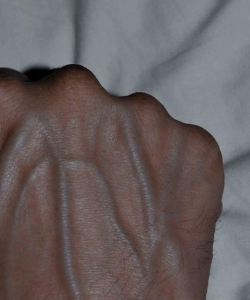
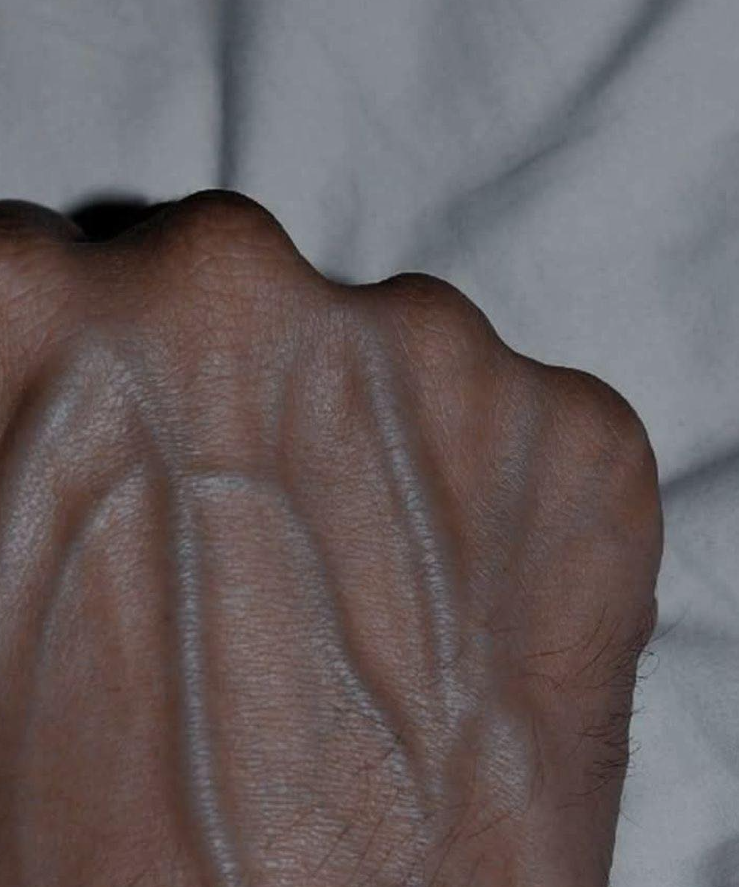
In the age of viral health posts and social media speculation, it’s easy to stumble upon alarming claims—like the idea that visible veins in your hands are a sign of cancer. While it’s true that our bodies often give us signals when something’s wrong, it’s equally important to separate fact from fear. So let’s take a closer look at what visible veins in your hands actually mean, what conditions they may be associated with, and why cancer is rarely the culprit.
Understanding Vein Visibility
Veins are part of your circulatory system, responsible for carrying deoxygenated blood back to the heart. In the hands, veins are often more visible than in other parts of the body due to several anatomical and physiological factors:
- Thin skin: The skin on your hands is naturally thinner, making underlying veins easier to see.
- Low body fat: Less subcutaneous fat means less insulation, so veins are closer to the surface.
- Superficial vein network: Hands have a dense network of superficial veins that are naturally more prominent.
In most cases, visible veins are completely normal and not a cause for concern. They can appear more pronounced due to temporary or benign factors such as exercise, heat, or aging.
Common Causes of Visible Hand Veins
Let’s explore the most common reasons why veins in your hands might be more noticeable:
1. Exercise and Physical Activity
During exercise, your heart pumps more blood to your muscles, causing veins to expand and become more visible. This is especially common in weightlifters and athletes, and the effect is temporary.
2. Temperature Changes
Warm weather causes blood vessels to dilate, making veins more prominent. Conversely, cold weather can constrict veins and make them less visible.
3. Aging
As we age, our skin loses elasticity and becomes thinner. Fat layers beneath the skin also diminish, making veins more apparent. This is a natural part of aging and not a sign of disease.
4. Genetics
Some people are simply born with more visible veins. If your parents or grandparents had veiny hands, you might too. It’s a hereditary trait, not a health warning.
5. Low Body Fat
Individuals with lower body fat tend to have more visible veins. This is common among athletes, fitness enthusiasts, and people with naturally lean builds.
When to Be Concerned
While visible veins are usually harmless, there are instances when they may signal an underlying issue. These include:
1. Varicose Veins
Though more common in the legs, varicose veins can appear in the hands. They are swollen, twisted veins that may cause discomfort, tingling, or burning. Varicose veins are often linked to poor circulation or valve dysfunction within the veins.
2. Phlebitis
Phlebitis is inflammation of a vein, often caused by infection, injury, or autoimmune conditions. Symptoms include pain, redness, and swelling around the affected vein.
3. Blood Clots
A blood clot in a vein can cause bulging, pain, and swelling. If you notice a sudden change in vein appearance accompanied by tightness in the chest, difficulty breathing, or a bulge in your wrist or arm, seek medical attention immediately.
4. Vascular Disease
Conditions like peripheral artery disease (PAD) or chronic venous insufficiency can affect blood flow and cause changes in vein visibility. These are more common in older adults and those with cardiovascular risk factors.
What About Cancer?
Now to the heart of the concern: is visible vein prominence in the hands a sign of cancer?
The short answer is: very unlikely.
Cancer rarely presents itself through visible veins in the hands. While certain cancers—like pancreatic or lung cancer—can cause systemic symptoms such as weight loss, fatigue, or changes in blood clotting, they do not typically cause veins in the hands to become more visible.
There are rare cases where cancer may indirectly affect the vascular system. For example:
- Paraneoplastic syndromes: These are rare disorders triggered by an immune response to a tumor. They can affect blood vessels but are usually accompanied by other, more serious symptoms.
- Tumors pressing on veins: In advanced stages, tumors may compress veins and alter circulation, but this is not a common presentation and would typically affect larger veins in the chest or abdomen—not the hands.
In short, visible hand veins are not a reliable indicator of cancer. If you’re concerned about cancer, it’s important to look at the full picture—persistent fatigue, unexplained weight loss, changes in appetite, or chronic pain—not isolated signs like vein visibility.
When to See a Doctor
While visible veins are usually harmless, you should consult a healthcare provider if you experience:
- Persistent pain or tenderness in the veins
- Swelling in the hands or fingers
- Redness or warmth around the veins
- Sudden changes in vein appearance without a clear cause
- Symptoms of poor circulation (cold hands, numbness, tingling)
A doctor can perform a physical exam, review your medical history, and order tests if necessary to rule out vascular or systemic conditions.
The Role of Online Misinformation
The claim that visible hand veins signal cancer is a prime example of how misinformation spreads online. Health anxiety is real, and vague posts with dramatic headlines can trigger unnecessary fear. That’s why it’s crucial to rely on credible sources—medical professionals, peer-reviewed studies, and reputable health organizations—when evaluating symptoms.
Social media can be a powerful tool for awareness, but it can also amplify myths. Always cross-check alarming claims with trusted medical advice before jumping to conclusions.
Conclusion: Veins Tell a Story—But Not Always a Scary One
Your body is constantly communicating with you, and visible veins are part of that conversation. Most of the time, they’re simply a reflection of your anatomy, lifestyle, or environment—not a warning sign of cancer.
Understanding the real reasons behind vein visibility can help you stay informed, calm, and proactive. If something feels off, trust your instincts and consult a healthcare provider. But don’t let viral myths dictate your health narrative.
Because in the end, knowledge isn’t just power—it’s peace of mind.