Spinning Into Controversy: ‘Wheel of Fortune’ Fans Speak Out Over “Unfair” Bonus Round Puzzle
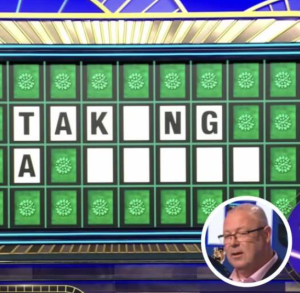
For over four decades, Wheel of Fortune has been a staple of American television, captivating audiences with its blend of wordplay, luck, and charm. But in August 2025, the beloved game show found itself at the center of a heated debate after airing a bonus round puzzle that many viewers deemed unusually difficult—and possibly unfair. The episode, which featured the puzzle “YOUR JOURNEY AWAITS” as the final challenge, sparked a wave of frustration and criticism online, reigniting long-standing questions about the show’s puzzle selection process and its commitment to fairness.
The Puzzle That Sparked the Storm
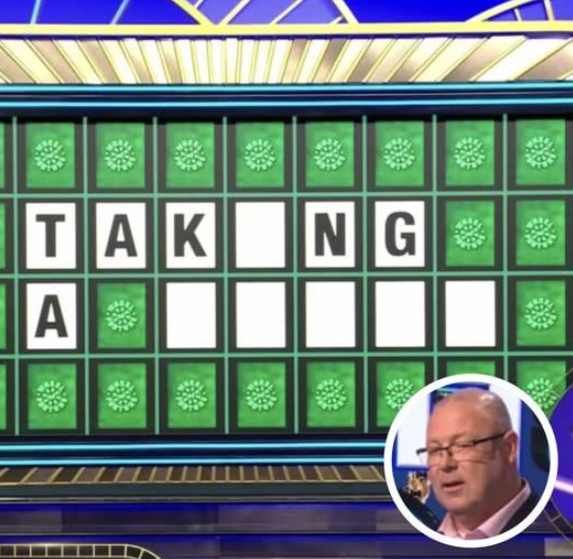
The bonus round puzzle aired on August 22, 2025, during a “Fan Friday” episode. The category was “Phrase,” and the contestant was given the standard set of letters—R, S, T, L, N, E—followed by their own choices. Despite a valiant effort, the contestant failed to solve the puzzle, which turned out to be “YOUR JOURNEY AWAITS”.
Fans immediately took to social media to voice their discontent. Many argued that the phrase was too vague and abstract, especially given the limited number of revealed letters. Unlike more concrete phrases such as “A FANTASTIC PARTY” or “STEAKS HOT OFF THE GRILL,” which had appeared earlier that week, “YOUR JOURNEY AWAITS” felt more like a poetic tagline than a common expression.
Viewer Reactions: Disappointment and Debate
The backlash was swift and widespread. On platforms like Reddit, X (formerly Twitter), and Facebook, longtime fans expressed disappointment not just with the puzzle itself, but with what they perceived as a trend toward increasingly obscure bonus round challenges.
“This isn’t even a phrase people say,” one user wrote. “It sounds like something from a travel brochure, not a game show.” Another added, “They’re setting people up to fail. It’s supposed to be hard, not impossible.”
Some viewers defended the show, arguing that part of the appeal of Wheel of Fortune is its unpredictability. “It’s a game,” one fan commented. “Sometimes you get lucky, sometimes you don’t. That’s the nature of it.”
But others weren’t convinced. The debate quickly expanded beyond a single puzzle to broader concerns about fairness, transparency, and entertainment value.
Are Contestants Being Set Up to Fail?
One of the most pressing questions raised by the controversy is whether Wheel of Fortune is intentionally making bonus round puzzles harder to limit prize payouts. While there’s no evidence of foul play, the perception matters—especially for a show built on trust and tradition.
Historically, the bonus round has been a high-stakes moment, offering contestants the chance to win cars, vacations, or large cash prizes. But if the puzzles are too difficult, the excitement turns into frustration—for both contestants and viewers.
Some fans have called for more oversight or even a third-party review of puzzle selection. Others have suggested that the show should offer more transparency about how puzzles are chosen and categorized.
The Puzzle Selection Process: Art or Algorithm?
According to former producers and insiders, Wheel of Fortune puzzles are curated by a team of writers and editors who aim to balance difficulty, creativity, and entertainment. Categories like “Phrase,” “Thing,” and “What Are You Doing?” are intentionally broad to allow for variety.
But as the show evolves, so do its puzzles. In recent years, there’s been a noticeable shift toward more poetic or abstract phrases—like “FAXING IT OVER NOW” or “CHASING MY OWN TAIL”—that challenge contestants in new ways.
This evolution reflects changing language trends, but it also raises questions about accessibility. Are these puzzles fair to contestants of all backgrounds? Do they reflect everyday speech, or are they veering into overly stylized territory?
The Role of Entertainment Value
At its core, Wheel of Fortune is a television show. And like all shows, it must balance fairness with entertainment. Tough puzzles create drama. Missed opportunities build suspense. But when the balance tips too far, the show risks alienating its audience.
The August 22 episode was a prime example. While the puzzle may have been designed to evoke a sense of adventure, it instead left viewers feeling cheated. The emotional payoff of a bonus round win was replaced by confusion and disappointment.
This tension isn’t new. Game shows have long walked the line between challenge and spectacle. But in an era of instant feedback and viral reactions, every misstep is magnified.
A Legacy Worth Protecting
Wheel of Fortune is more than just a game—it’s a cultural institution. Since its debut in 1975, it has entertained generations, created household names out of its hosts, and become a nightly ritual for millions. Its longevity is a testament to its enduring appeal.
But with that legacy comes responsibility. Fans expect consistency, fairness, and respect for the contestants who make the show possible. When those expectations aren’t met, the backlash is swift—and justified.
The recent controversy is a reminder that even the most beloved shows must evolve thoughtfully. It’s not enough to rely on nostalgia. Audiences are savvy, vocal, and invested. They want to see contestants succeed, not stumble over puzzles that feel designed to trip them up.
Moving Forward: What Can Be Done?
In response to the backlash, some fans have proposed constructive changes:
- Puzzle Review Panels: Include diverse voices in the puzzle selection process to ensure fairness and relatability.
- Category Clarification: Offer clearer definitions for broad categories like “Phrase” to help contestants prepare.
- Transparency Reports: Share insights into puzzle trends, difficulty ratings, and win/loss statistics to build trust.
Whether or not the show adopts these suggestions, the message is clear: fans care deeply about Wheel of Fortune, and they want it to remain a fair and joyful experience.
Conclusion: A Spin Worth Watching
The uproar over the August 22 bonus round puzzle may fade, but the questions it raised will linger. In a world where entertainment is increasingly interactive, shows like Wheel of Fortune must listen to their audiences—not just to maintain ratings, but to honor the spirit of the game.
“YOUR JOURNEY AWAITS” may have been a tough puzzle, but it also sparked a journey of reflection—for producers, contestants, and fans alike. And if that leads to a better, fairer, and more engaging show, then perhaps the controversy was worth it.
Because in the end, Wheel of Fortune isn’t just about solving puzzles. It’s about celebrating people, stories, and the thrill of possibility. And that’s a spin worth watching.