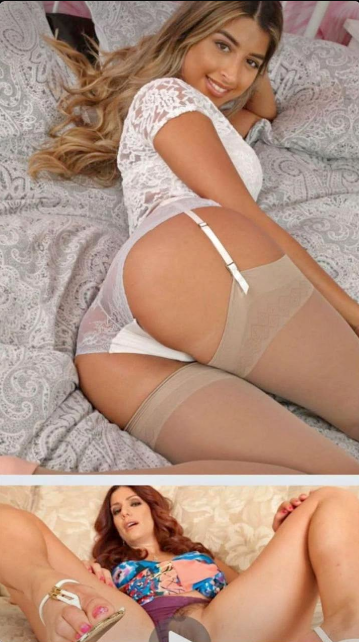

The Timeless Appeal of White Lingerie
White lingerie has maintained a distinctive place in fashion for generations. Elegant, delicate, and surprisingly versatile, it represents a style that can move effortlessly between classic tradition and contemporary design. While lingerie trends constantly change, white continues to return to runways, bridal collections, fashion editorials, and everyday wardrobes.
Part of its appeal comes from simplicity. White creates a clean visual impression that allows the shape, fabric, stitching, and craftsmanship of a garment to become the focus. Rather than depending on bold colors or elaborate patterns, white lingerie often communicates elegance through subtle details.
Historically, white garments have frequently been associated with freshness, refinement, and ceremony. In lingerie, those associations helped establish white as a particularly popular choice for bridal wear. Brides have traditionally selected white or ivory undergarments to complement their wedding attire, creating a coordinated look that feels timeless.
However, white lingerie is not limited to weddings. Modern designers have expanded the color into many different styles, from minimalist cotton pieces to luxurious lace designs and contemporary silhouettes. This variety has helped white remain relevant across generations.
One reason white works so well in lingerie design is its ability to highlight texture. Lace, embroidery, satin, silk, mesh, and delicate decorative stitching can look dramatically different depending on the color beneath them. On white fabric, intricate details can become particularly noticeable because there is no strong color competing for attention.
Lace is perhaps one of the most recognizable materials associated with classic white lingerie. Its open patterns and carefully constructed details create a sense of craftsmanship. Modern versions may combine traditional lace with clean lines, geometric patterns, or minimalist shapes, demonstrating how an old-fashioned material can be incorporated into contemporary fashion.
Satin offers another interpretation. Its smooth surface reflects light and creates a polished appearance. White satin can appear especially sophisticated because the color emphasizes the material’s natural sheen without overwhelming it.
Cotton, meanwhile, gives white lingerie a completely different character. Comfortable and practical, white cotton pieces have long been associated with everyday simplicity. Their appeal is less about extravagance and more about familiarity, comfort, and clean design.
This versatility is one of the greatest strengths of white lingerie. The same color can support completely different moods depending on the material and construction.
Fashion designers also use white as a foundation for experimentation. A simple white garment can be transformed through embroidery, scalloped edges, decorative straps, subtle patterns, or contrasting textures. Some collections emphasize architectural shapes, while others return to romantic vintage-inspired details.
White also photographs differently from darker colors. In fashion photography, it can create a bright and airy atmosphere. When combined with natural lighting and neutral backgrounds, white garments can contribute to an editorial style that feels soft and sophisticated.
The popularity of white lingerie is also connected to broader fashion cycles. Trends frequently return to earlier decades, bringing vintage silhouettes back into contemporary collections. Designers may reinterpret classic designs rather than copying them exactly, using modern fabrics, improved construction techniques, and updated proportions.
This relationship between history and innovation is part of what makes white lingerie so enduring.
Another important factor is personal style. Lingerie is ultimately an intimate part of an individual’s wardrobe, and people choose pieces for different reasons. Some appreciate elaborate craftsmanship, while others prefer simple and comfortable designs. Some select white because it feels traditional, while others choose it precisely because they enjoy its modern minimalist appearance.
There is no single definition of what makes white lingerie beautiful. Its appeal depends on the wearer, the design, and the context.
White also pairs easily with other wardrobe colors. Neutral shades can create a coordinated appearance, while contrasting colors can make white stand out. This flexibility allows white pieces to work within many different personal styles.
Of course, white fabrics require careful maintenance. Unlike darker colors, they can show stains, discoloration, and fabric wear more easily. Proper washing and storage can therefore help preserve their appearance. Following the manufacturer’s care instructions is especially important for delicate lace, silk, satin, and embroidered garments.
Choosing quality materials can also make a difference. Well-constructed lingerie tends to retain its shape and appearance longer than poorly made alternatives. Comfortable seams, appropriate support, breathable materials, and correct sizing are often more important than decorative details alone.
The modern lingerie industry has increasingly emphasized comfort alongside appearance. Today’s designs can combine attractive aesthetics with practical construction, allowing people to select pieces that feel good as well as look elegant.
That shift reflects a broader change in fashion. Lingerie is no longer viewed solely through the lens of special occasions or traditional expectations. It can be part of everyday self-expression, with comfort, confidence, individuality, and personal preference playing important roles.
White fits naturally into that philosophy because it can be interpreted in countless ways.
For some, it represents classic elegance. For others, it suggests simplicity. Someone else may associate it with summer fashion, vintage aesthetics, bridal traditions, or minimalist design.
The symbolism of white has also evolved. While historical associations remain influential, modern consumers do not necessarily attach one specific meaning to the color. A person can choose white simply because they like it.
This freedom is part of contemporary fashion’s appeal. Traditional conventions can inspire designers without dictating how garments must be worn or understood.
White lingerie also demonstrates how fashion can preserve recognizable visual traditions while continuously changing. A white lace garment created decades ago may share certain characteristics with a modern design, yet contemporary construction, materials, and styling can make the newer piece feel entirely different.
That continuity gives white a rare quality: it can feel both familiar and fresh.
Another reason the color remains popular is its ability to create a polished wardrobe foundation. Neutral lingerie can work beneath many different clothing styles, making it a practical choice for people who prefer versatile pieces.
At the same time, fashion designers continue to introduce unexpected variations. White may be combined with subtle embroidery, textured fabrics, unusual silhouettes, or modern minimalist detailing. These developments prevent the color from becoming predictable.
Ultimately, the timeless appeal of white lingerie comes from its balance between simplicity and sophistication.
It does not need to be loud to attract attention. Its strength often lies in the details: the quality of the fabric, the precision of the stitching, the texture of lace, the shape of the design, and the way the garment makes the wearer feel.
Fashion trends will continue to change. Colors will rise and fall in popularity, silhouettes will evolve, and new materials will enter the market. Yet white is likely to remain a constant because it possesses qualities that transcend individual trends.
It can be traditional without feeling outdated, elegant without being excessive, and simple without being boring.
From delicate lace to practical cotton, from bridal collections to contemporary minimalist designs, white lingerie continues to demonstrate why certain fashion choices survive for generations.
Its enduring popularity is not simply about color. It is about versatility, craftsmanship, personal expression, and the ability of a simple shade to support an extraordinary range of designs.
That is the true secret behind its timeless appeal.