When a Risky Choice Leads to a Medical Emergency: Understanding the Dangers of Unsafe Objects
A shocking social-media headline can spread incredibly quickly, especially when it involves someone being hospitalized after attempting something that seemed harmless at first. Stories like these often leave readers with the same questions: How could something like this happen? What went wrong? And when should someone seek emergency medical attention?
While viral posts frequently leave out important details, the underlying subject can be serious. Attempting to use an object in a way it was never designed for can result in injury, infection, bleeding, or another medical complication. What begins as curiosity or experimentation can sometimes become an emergency requiring professional treatment.
One of the biggest dangers is that people may underestimate how easily delicate tissue can be injured. Certain parts of the body contain sensitive tissue, blood vessels, and nerves. Objects that are rigid, sharp, fragile, breakable, or difficult to control can cause damage. Even an object that appears smooth or harmless may create problems if it becomes stuck, breaks, or causes internal irritation.
Another concern is hygiene. Everyday household objects are generally not designed for contact with sensitive areas of the body. They may contain bacteria, chemicals, small particles, or other contaminants. Introducing those contaminants into the body can increase the possibility of infection. Washing an object does not necessarily make it medically safe.
In some situations, an object can become lodged and difficult to remove. Trying to forcefully retrieve it can make an injury worse. People may panic and attempt increasingly risky methods, potentially causing additional trauma. This is one reason medical professionals advise seeking appropriate care rather than attempting dangerous self-treatment.
There are several warning signs that should never be ignored. Severe or persistent pain, significant bleeding, swelling, dizziness, fainting, fever, vomiting, difficulty urinating, or unusual discharge can indicate a complication requiring medical evaluation. If an object becomes stuck or cannot be safely removed, professional assistance should be sought rather than repeatedly attempting removal at home.
Fear or embarrassment can prevent people from getting help. Someone may worry about being judged or feel uncomfortable explaining what happened. However, medical professionals deal with sensitive and unexpected situations regularly. Their primary concern is identifying injuries, preventing complications, and providing appropriate treatment.
Emergency departments are equipped to evaluate injuries and determine whether imaging, medication, wound care, or another intervention is necessary. In some cases, doctors may need to remove an object using specialized equipment. The sooner a serious problem is evaluated, the better the chance of preventing further complications.
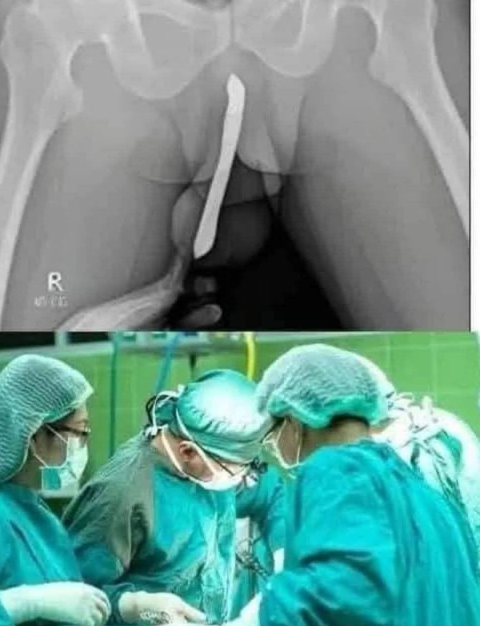
Viral social-media posts can also make these incidents more confusing. A headline may claim that someone was hospitalized, but it may provide little information about what actually happened. Images can be misleading, old, altered, or taken from an unrelated incident. Before sharing a sensational story, readers should consider whether the information comes from a reliable source.
This matters because sensational headlines can encourage copycat behavior. A person seeing a viral post may assume that an activity is safe simply because someone else attempted it. That assumption can be dangerous. Individual circumstances differ, and an incident that ends without serious consequences for one person can result in significant injury for another.
The safest approach is to avoid improvising with objects that were not specifically designed for intimate or medical use. Products intended for bodily contact should come from reputable manufacturers and should be used according to their instructions. If someone has questions about safety, a healthcare professional can provide confidential guidance.
There is also an important lesson about listening to the body. Pain is not something that should simply be ignored. If something feels wrong, stopping immediately is far safer than continuing. Persistent discomfort afterward is a reason to consider medical evaluation, particularly when accompanied by bleeding, swelling, fever, or other unusual symptoms.
Parents, caregivers, and educators can also use stories like these as opportunities to discuss basic safety without shame. Young people and adults alike sometimes encounter misleading information online. Teaching people how to distinguish reliable health information from sensational social-media content can prevent dangerous decisions.
The internet is filled with challenges, trends, jokes, and shocking stories designed to attract attention. Not everything that receives thousands of shares is accurate, safe, or worth imitating. A dramatic headline may generate clicks, but it should never replace sound medical advice.
Ultimately, the most important lesson is simple: the human body should be treated with care. Curiosity is normal, but safety should come first. Objects that are not designed for bodily use can create unexpected risks, and complications can sometimes become serious enough to require hospitalization.
If someone experiences a medical emergency, severe pain, substantial bleeding, loss of consciousness, breathing problems, signs of infection, or an object that is stuck and cannot be safely removed, seeking professional medical care is the responsible choice.
Behind every viral headline is a real person who may have experienced fear, pain, embarrassment, or uncertainty. Instead of laughing at such stories or immediately sharing sensational claims, it is better to focus on the safety lesson. Knowing the risks, recognizing warning signs, and seeking help when something goes wrong can make the difference between a frightening incident and a much more serious medical emergency.
The biggest takeaway is not the shocking headline itself. It is the reminder that online trends and curiosity should never come before personal safety. When the body sends a warning signal, listen to it—and when a situation becomes an emergency, professional medical help should always come first.