When a Woman Has Been With Many Men: What Actually Changes?
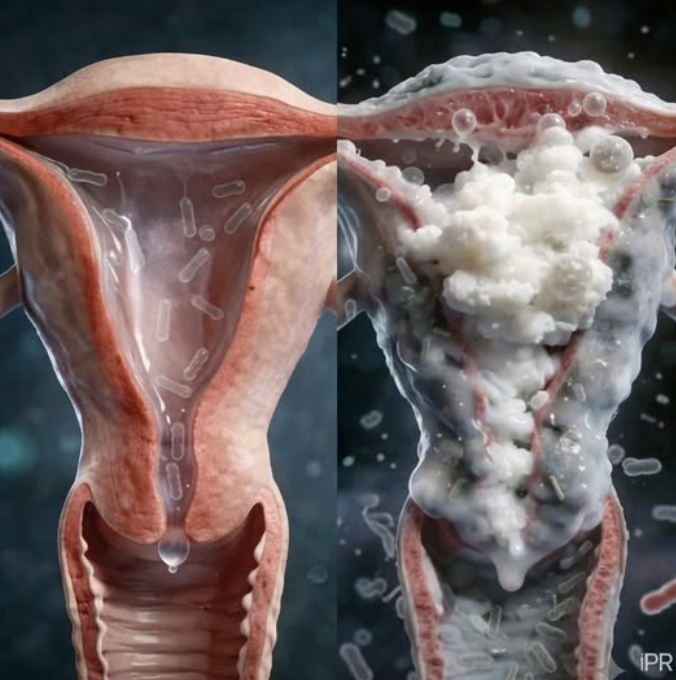
There are many myths about what happens to a woman’s body when she has had multiple sexual partners. One of the most common claims suggests that a woman’s vagina permanently changes because she has been with many men. This idea is repeated frequently online, but it does not accurately describe female anatomy.
The vagina is a flexible muscular canal designed to stretch and return toward its usual shape. Sexual activity does not permanently “loosen” it simply because a woman has had multiple partners. The number of people someone has slept with is not a reliable way to determine the condition, appearance, or function of her body.
Temporary changes can happen during sexual activity. Muscles relax, tissues stretch, and blood flow increases. Afterward, the body generally returns to its normal state. Similar temporary changes can occur for reasons unrelated to sexual activity, including hormonal changes, childbirth, aging, and pelvic-floor muscle strength.
One particularly important distinction is between sexual history and physical health. Having multiple sexual partners does not automatically mean that someone has poor health, poor hygiene, or a damaged body. Sexual health depends much more on factors such as protection, testing, communication, vaccination, and access to appropriate medical care.
For example, sexually transmitted infections can be transmitted through sexual contact, but this has nothing to do with whether a vagina is “loose.” A person with one sexual partner can contract an infection, while someone with multiple partners may remain healthy when appropriate precautions are taken.
Another common misconception concerns appearance. People sometimes claim they can determine a woman’s sexual history simply by looking at her body. In reality, there is no reliable physical examination that can tell someone how many sexual partners a woman has had.
The appearance of the vulva also varies naturally from person to person. Size, shape, color, symmetry, and other characteristics differ widely, just as facial features and body shapes do. None of these features provide a reliable record of someone’s sexual history.
Childbirth is another subject that is often confused with sexual activity. Vaginal childbirth can significantly stretch the pelvic tissues and affect pelvic-floor muscles. Some women experience temporary or longer-lasting changes afterward, while others recover substantially. Pelvic-floor exercises and medical care can help when symptoms such as discomfort, urinary leakage, or a feeling of pelvic pressure occur.
Aging can also influence the genital tissues. Changes in estrogen levels, particularly around menopause, can affect vaginal moisture, elasticity, and comfort. These changes are related to hormones and aging—not to the number of sexual partners a woman has had.
The idea that a woman’s body becomes permanently altered simply because she has had many partners is therefore misleading. It turns a complicated subject involving anatomy, hormones, health, and individual variation into an inaccurate stereotype.
There is also an emotional side to this conversation. A person’s sexual history can carry personal meaning, but it does not determine their value as a human being or their ability to have a loving and committed relationship.
Healthy relationships depend on qualities such as honesty, respect, compatibility, communication, trust, and shared expectations. A person’s past does not automatically predict how they will behave in a future relationship.
If someone has concerns about sexual health, the most useful approach is to focus on facts rather than rumors. Partners can discuss testing, contraception, boundaries, consent, and expectations. These conversations may feel uncomfortable initially, but they are much more meaningful than trying to judge someone’s health from appearance or sexual history.
Regular STI testing can be particularly important for sexually active people, especially when partners change or when protection is not consistently used. Vaccination against certain infections, including HPV and hepatitis B, can also provide important protection.
Communication matters just as much. Partners should be able to discuss what they are comfortable with, what makes them feel safe, and what they expect from the relationship. Good communication creates a foundation that physical myths cannot provide.
Another misconception is that sexual experience automatically makes someone less capable of forming a serious relationship. There is no universal rule like that. People have different personalities, values, goals, and relationship histories. Some people date casually for a period of their lives and later choose a committed partnership. Others prefer long-term relationships from the beginning.
What matters is how two people treat each other now.
It is also important to recognize that sexual activity should always involve consent. Every partner has the right to decide what they are comfortable doing, and consent should be freely given and respected throughout a relationship.
Instead of asking whether a woman’s body has been “changed” by the number of men she has been with, a better question is whether she is healthy, comfortable, respected, and able to make her own decisions.
Modern understanding of sexual health increasingly emphasizes evidence over stereotypes. Bodies are not scorecards, and anatomy cannot be used as a simple measurement of someone’s past.
If a woman notices a genuine physical change—such as persistent pain, unusual discharge, bleeding, dryness, pelvic pressure, or urinary problems—she should consider speaking with a qualified healthcare professional. These symptoms can have many possible causes and should not automatically be attributed to sexual activity.
Ultimately, the human body is far more complicated than viral posts and sensational headlines suggest. Sexual history alone does not tell you what someone’s body looks like, how healthy they are, or what kind of partner they will become.
The most valuable lesson is simple: sexual health should be discussed through accurate information, mutual respect, and responsible choices—not myths about permanent physical changes.
A woman’s body is not a record of the number of people she has been with. Her health, character, relationships, and identity are much more complex than that.