BREAKING NEWS: North Korea Threatens Trump Directly? What the Latest Tensions Really Mean
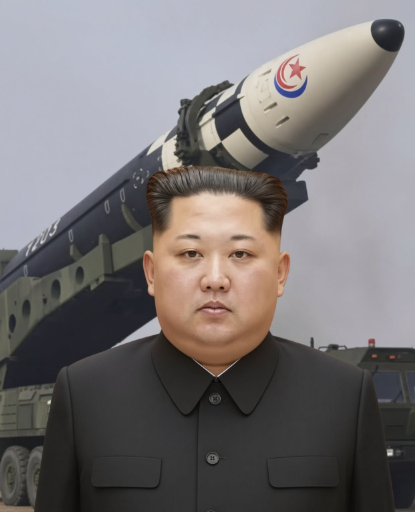
Tensions surrounding North Korea, the United States and South Korea are once again attracting international attention, with Pyongyang issuing warnings over ongoing U.S.-South Korean military exercises. However, claims circulating online that North Korea has issued a new, direct personal threat against President Donald Trump should be treated carefully. The latest reporting describes threats directed at the United States and South Korea over military exercises, rather than confirmation of a specific threat against Trump personally.
The situation comes at a particularly sensitive moment. On August 17, 2026, the annual Ulchi Freedom Shield exercises involving U.S. and South Korean forces began. The exercises are designed to strengthen the allies’ ability to respond to potential military emergencies on the Korean Peninsula. North Korea has historically viewed such drills as preparation for an invasion and has repeatedly condemned them.
A Warning From Pyongyang
According to recent reporting, North Korea warned on Friday that it could take unspecified “stern” measures against the United States and South Korea. Pyongyang characterized the military exercises as a rehearsal for aggressive war and argued that they could increase instability in the region.
That language is serious, but it is important not to exaggerate what has actually been confirmed.
North Korea has a long history of using extremely strong rhetoric when responding to American and South Korean military activities. Such statements frequently form part of Pyongyang’s strategy of deterrence, signaling, and political pressure. A threatening statement does not automatically mean that military action is imminent.
The current headlines therefore need context. The phrase “North Korea threatens Trump directly” may attract attention online, but available reporting does not establish that Kim Jong Un personally issued a new threat to attack Trump.
Trump’s Unexpected Response
Adding another layer to the story, President Trump has ordered the Pentagon to substantially reduce the scale of U.S.-South Korean military exercises.
Trump cited his relationship with North Korean leader Kim Jong Un as one reason for the decision. He also criticized the cost of the exercises and argued that they send what he considers an unnecessarily hostile signal toward North Korea.
The decision is notable because the exercises are a major part of the military relationship between Washington and Seoul. South Korea’s defense ministry said the exercises would proceed as scheduled, although the extent of the reductions ordered by Trump was not immediately clear.
Trump’s approach represents a striking contrast with the traditional American emphasis on large-scale joint exercises as a way of maintaining readiness and demonstrating the strength of the alliance.
Why the Exercises Matter
The Ulchi Freedom Shield exercises are not simply symbolic events. They are intended to help American and South Korean forces prepare for a wide range of potential scenarios, including missile attacks, cyber operations, drone threats and disruptions to communications and GPS systems.
This year’s exercises involve roughly 18,000 South Korean troops and are scheduled to continue through August 27. The training reflects lessons from modern warfare, including developments seen during the war in Ukraine.
Military officials and analysts have expressed concern that reducing exercises could affect readiness and coordination between the two allies.
For South Korea, the issue is particularly sensitive. The country lives only a short distance from North Korea and remains under the shadow of Pyongyang’s growing nuclear and missile capabilities.
Kim Jong Un’s Growing Military Power
Another reason experts are watching the latest developments closely is the significant change in North Korea’s strategic position since Trump’s earlier meetings with Kim Jong Un.
North Korea has continued developing its nuclear weapons and missile programs. At the same time, its relationship with Russia has deepened, particularly amid the war in Ukraine. Analysts say North Korea has gained military experience and strengthened its international position through cooperation with Moscow.
That means the diplomatic environment is different from the one Trump encountered during his first presidency.
Trump and Kim famously met three times during Trump’s first term, including the historic 2018 Singapore summit. Their meetings temporarily lowered tensions and created hopes for an agreement over North Korea’s nuclear program.
But negotiations ultimately stalled.
Since then, Pyongyang has continued expanding its weapons capabilities.
Could Trump and Kim Meet Again?
Despite the confrontational headlines, there are also signs that diplomacy could eventually return.
South Korean officials said Monday that they hope Trump’s relationship with Kim can help create an opportunity for meaningful dialogue between Washington and Pyongyang. South Korea’s government has expressed support for efforts aimed at reducing tensions and promoting stability on the Korean Peninsula.
Trump has repeatedly emphasized his personal relationship with Kim. His decision to reduce military exercises could therefore be interpreted as an attempt to create a more favorable environment for renewed negotiations.
But analysts caution that Kim’s position has changed significantly.
North Korea now possesses a larger nuclear arsenal and has stronger relationships with Russia and China. Experts therefore believe Kim may demand substantial concessions before agreeing to return to serious negotiations.
The Risk of Miscalculation
Perhaps the greatest concern is not that a war is inevitable, but that repeated military warnings and demonstrations could create opportunities for miscalculation.
The Korean Peninsula has experienced decades of tension. Missile launches, military exercises, weapons tests and threatening statements can quickly create an atmosphere in which each side interprets the other’s actions as preparation for escalation.
That is why communication remains important.
Even when governments strongly disagree, maintaining diplomatic channels can reduce the possibility that an incident spirals beyond anyone’s control.
The current situation demonstrates this delicate balance. North Korea is condemning American and South Korean military activity while Trump is simultaneously attempting to reduce some of that activity and emphasize his relationship with Kim.
What Happens Next?
The coming days could provide important clues.
The U.S.-South Korean exercises will continue, although at a reduced scale under Trump’s instructions. North Korea will likely monitor the drills closely and could issue additional statements depending on what happens during the exercises.
South Korea, meanwhile, faces the difficult task of maintaining its defense readiness while pursuing dialogue with Pyongyang.
For Washington, the challenge is even broader: Trump must balance his desire to reopen communication with Kim against concerns that reducing military exercises could weaken deterrence or create uncertainty among American allies.
Experts have already warned that North Korea’s expanding nuclear capabilities make the strategic environment more complicated than it was during Trump’s earlier diplomacy with Kim.
The Bottom Line
The dramatic headline that “North Korea threatens Trump directly” needs to be understood in context.
There are confirmed North Korean warnings directed at the United States and South Korea, particularly regarding the ongoing military exercises. But current reporting does not confirm a new personal threat against President Trump himself.
What is clear is that tensions remain high while diplomatic possibilities are also emerging.
Trump’s decision to scale back the U.S.-South Korean exercises, combined with his continued emphasis on his relationship with Kim Jong Un, could eventually create an opening for renewed negotiations.
At the same time, North Korea’s expanding nuclear and missile capabilities mean that Washington, Seoul and their allies cannot afford to ignore the security risks.
The coming weeks will therefore be watched closely around the world. Whether the latest developments lead toward another period of confrontation or become the beginning of a new diplomatic effort may depend on what Pyongyang does next—and whether Washington and Seoul can maintain both deterrence and communication.
For now, the most important message is that the situation is serious, but sensational claims should not be confused with confirmed facts. The latest evidence points to a tense confrontation over military exercises and broader U.S.-North Korean relations—not confirmation that North Korea has launched a new personal threat against President Trump.