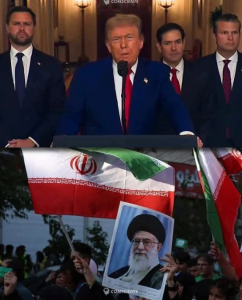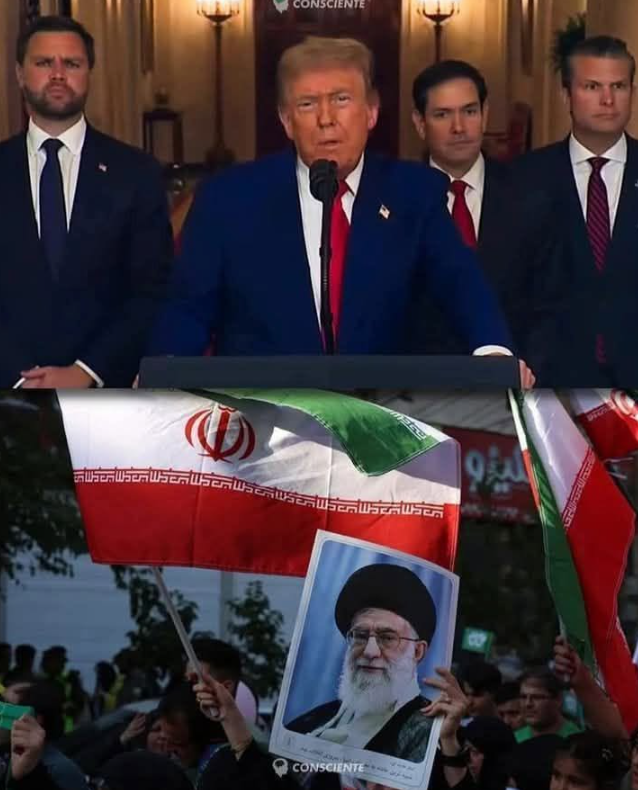
A dramatic headline circulating online claims that Iran will strike America tonight and begin with a specific U.S. state. Such a statement is understandably frightening, particularly at a time when tensions between the United States and Iran are extremely high.
However, the claim should not be presented as confirmed fact.
As of August 14, 2026, current reporting confirms a serious and active conflict involving the United States and Iran, including escalating tensions around the Strait of Hormuz. But the reliable reports reviewed do not confirm that Iran has announced a plan to attack a particular U.S. state tonight. Reuters reports that the United States is considering an indefinite naval blockade of Iran while traffic through the Strait of Hormuz has fallen sharply amid continuing attacks on shipping.
That distinction matters.
A headline claiming that a specific American state will be attacked can cause unnecessary panic if readers assume it represents an official warning.
What Is Actually Happening?
The situation between Washington and Tehran is already extremely serious.
The Strait of Hormuz has become one of the central flashpoints. The waterway is crucial to global energy supplies, and recent attacks on commercial vessels have sharply reduced shipping traffic.
On Friday, August 14, reports indicated that two vessels connected to the United Arab Emirates’ state-owned oil company were attacked while traveling through the strait. The UAE blamed Iran for the attacks, while Iranian authorities have maintained their own position regarding control of the waterway. No casualties were reported in the tanker incidents described by the Associated Press.
At the same time, the United States has threatened to maintain pressure on Iran, including a potentially indefinite naval blockade. Reuters reported that Washington said it could sustain the blockade while negotiations remain stalled.
These developments demonstrate that the region is experiencing a genuine security crisis.
But a regional crisis is not the same thing as confirmation of an imminent attack on a particular American state.
Why the “Tonight” Claim Is So Powerful
Words such as “tonight,” “urgent,” “confirmed,” and “will begin with” are frequently used in viral posts because they create an immediate sense of danger.
Readers may feel compelled to share the information before checking whether it comes from a government agency, military statement, established news organization, or another reliable source.
That is precisely when caution is most important.
A genuine warning about an imminent attack on U.S. territory would be an extraordinary national-security development. Americans would reasonably expect information from official authorities and multiple reputable news organizations rather than a vague social-media headline ending with “See more.”
A post that does not identify its source, location, evidence, or official statement should not automatically be treated as a confirmed warning.
Could Iran Threaten the United States?
Iran has repeatedly demonstrated that it is willing to confront American interests during the current conflict.
That threat is real.
But the nature of the threat matters.
Iran can potentially target U.S. military forces, regional facilities, shipping interests, cyber infrastructure, or other American-linked assets. The current conflict has already involved attacks and counterattacks across the Middle East.
The U.S. Department of Homeland Security has also warned that the ongoing Iran conflict has created a heightened threat environment inside the United States, including low-level cyberattacks attributed to pro-Iranian actors.
That does not mean every American city or state is about to experience a physical attack.
It means authorities are taking the broader security environment seriously.
What About a Specific State?
This is where the viral headline becomes particularly questionable.
The phrase “will start with the state of…” suggests that someone knows exactly where an attack will occur. But the headline provided does not identify a credible intelligence source or government agency.
Without such evidence, there is no responsible way to name a state and claim that it will be attacked.
American states contain major military installations, ports, energy infrastructure, financial centers, technology companies, government facilities, and transportation hubs. A viral post can easily take one well-known location and present it as the supposed target of an imminent attack.
That does not make the claim authentic.
Why Verification Matters During a War
Wartime information moves incredibly quickly.
Governments release statements. Military officials make announcements. Journalists report developments. Social-media accounts repost those reports. Then photographs and videos can be taken out of context or manipulated.
Artificial intelligence has made the problem even more complicated.
Images can be created showing explosions, aircraft, missile launches, military convoys, damaged buildings, or supposed government announcements that never actually happened.
A dramatic photograph therefore does not automatically prove that an event occurred.
The same principle applies to a dramatic headline.
The Threat to American Interests Is Still Serious
Even though the specific claim about an attack “tonight” is unconfirmed, Americans should not conclude that there is no danger.
The current situation is volatile.
The Strait of Hormuz remains severely disrupted, and Reuters reported that shipping traffic has nearly ground to a standstill after additional vessels were attacked. The United States has also threatened continued economic and military pressure on Iran.
Oil markets have reacted to the uncertainty as well. Reuters reported that oil prices rose Friday amid fears of prolonged disruption in the region, highlighting how an overseas military confrontation can affect people far beyond the battlefield.
This means the consequences of the conflict are already international.
What Should Americans Do?
The most sensible response to an alarming online warning is neither panic nor complacency.
Instead, verify.
If an online post claims that a particular state is about to be attacked, check official government and emergency-management sources. Look for confirmation from established news organizations. Pay attention to actual emergency alerts rather than anonymous social-media posts.
People should also avoid spreading unverified claims.
Sharing a frightening rumor can cause unnecessary fear, especially among people who live near military facilities or major cities.
If authorities issue a genuine emergency warning, follow the instructions provided by local officials.
Otherwise, there is little value in attempting to predict where an attack might happen based on an anonymous headline.
A More Complicated Reality
The current Iran-U.S. confrontation cannot be reduced to one viral post.
There are negotiations, military operations, economic pressure, shipping disruptions, regional attacks, and competing claims from governments on different sides of the conflict.
The United States and Iran remain deeply opposed, while the Strait of Hormuz has become a major point of confrontation.
The ceasefire and diplomatic situation is also uncertain. Current reporting indicates that negotiations have stalled and that the conflict could continue unless the two sides reach another agreement.
That uncertainty makes sensational predictions especially dangerous.
A prediction is not the same as intelligence.
A rumor is not the same as a warning.
And a social-media headline is not the same as confirmation from authorities.
Final Word
The headline “Iran will strike America tonight and will start with the state of…” is alarming, but there is currently no reliable confirmation in the sources reviewed that Iran has announced or confirmed an attack on a specific U.S. state tonight.
What is confirmed is that tensions are extremely high, the United States and Iran remain involved in an active conflict, shipping through the Strait of Hormuz is severely disrupted, and attacks on vessels have increased regional concerns.
That is serious enough without adding unverified claims.
In moments of crisis, accurate information matters more than dramatic headlines. Before believing that an American state is about to be attacked, readers should demand evidence, identify the source, and look for independent confirmation.
The situation deserves attention.
It does not deserve unnecessary panic.
The safest approach is to remain informed, follow official emergency instructions if they are issued, and treat unsupported “breaking news” claims with skepticism until credible authorities confirm them.