There is no credible recent report of Chumlee (Austin Lee Russell) admitting that he “tested positive” for anything.
The incomplete headline is another piece of low-effort clickbait. Searches of news sources and public records turn up nothing matching an admission in 2025 or 2026. What does exist is a well-documented 2016 legal episode and a longer pattern of rumor and redemption narrative that has followed him for years.
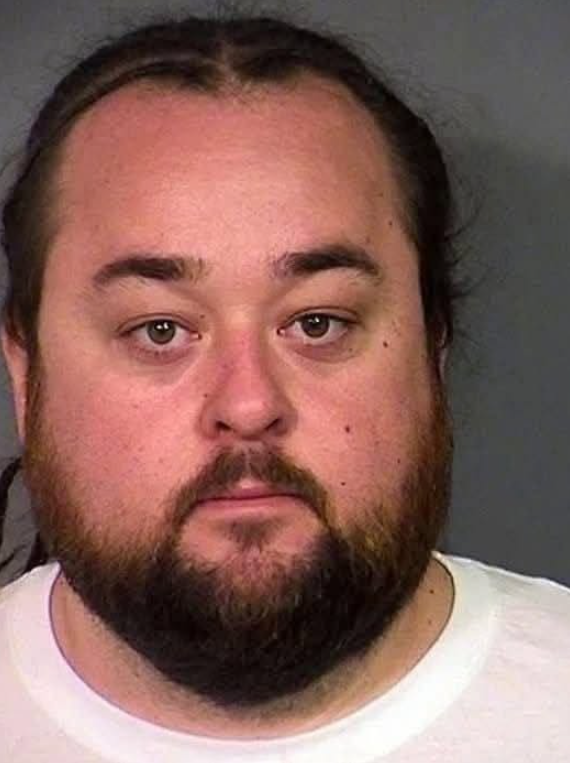
In March 2016, Las Vegas police searched Russell’s home while investigating a sexual-assault complaint. Officers found marijuana (including bulk quantities), methamphetamine, Xanax, signs of possible cocaine use, drug paraphernalia, and multiple firearms (some unregistered). He was arrested on drug and weapons charges, released on bond, and later pleaded guilty to a felony weapons count and a gross-misdemeanor attempted drug-possession charge. The deal brought three years of probation and counseling; the sexual-assault allegation produced no charges. By 2019 the probation period had ended.
That episode is the factual core that rumor machines keep recycling. Earlier hoaxes claimed he had died of a marijuana overdose (medically implausible) or a heart attack. Periodic “what happened to Chumlee” articles recycle the 2016 raid, note his continued (if sometimes reduced) presence on Pawn Stars and its spin-offs, mention his candy shop, gastric-sleeve surgery and substantial weight loss, and observe that he still appears at conventions and on camera. None of those pieces contain a fresh positive-test admission.
The clickbait formula is familiar: take a public figure with a known past stain, invent or exaggerate a new medical or legal development, truncate the sentence so the reader supplies the most alarming possibility, and demand engagement. “Tested positive for…” invites the imagination to fill in COVID, HIV, drugs, or whatever current panic is available. The actual record does not support the claim.
Austin Russell’s on-screen role was always the affable, slightly hapless counterweight to the Harrisons’ sharper dealing. The 2016 raid revealed a private life that included bulk cannabis, stimulants, pills, and guns—material that clashed with the light comic persona. Reality television thrives on that gap. Viewers are invited to like the character while remaining free to judge the person. The plea deal and subsequent quiet years allowed the show to keep him in the frame without a permanent rupture. Weight-loss surgery and business side projects supplied a redemption arc that fit the medium’s preference for visible transformation.
That arc is useful to the rumor industry precisely because it is incomplete. A completed redemption story ends the story. An unfinished one—someone who once had meth and unregistered guns in the house, who still works the same pawn shop, who still appears on camera—remains available for new speculation. Each recycled headline reopens the file without requiring new evidence. The audience gets the frisson of possible relapse or new scandal; the algorithms get the clicks; the actual man continues living in Las Vegas, appearing at events, and running a candy store.
The deeper pattern is the same one that attaches to many reality-television figures who become famous for being ordinary and then discover that ordinariness is no longer permitted. Once the camera has made you public property, every past excess, every medical procedure, every absence from the show becomes raw material. Death hoaxes, drug-raid retrospectives, and invented positive tests are different flavors of the same demand: keep the narrative in motion. Silence or ordinary continuity is treated as suspicious. Only a new crisis or a new confession satisfies the appetite.
Russell has never been required to issue a public medical confession of the kind the headline invents. The 2016 case produced court records and police inventories; those remain the primary documents. Later coverage has focused on weight loss, continued employment on the franchise, and the ordinary business of a minor celebrity who stayed in the orbit of the show that made him. None of that equals an admission of a positive test for an unnamed substance or pathogen in the present tense.
A thousand words can be spent chasing the missing half of a fabricated sentence, or they can be spent noticing how reliably such sentences are manufactured. The latter is more accurate. Chumlee’s real record contains a serious 2016 drug-and-weapons case that ended in probation, a subsequent period of relative quiet, documented health changes, and ongoing work in the Pawn Stars ecosystem. The current headline adds nothing to that record. It simply exploits the residual public memory of the raid and the enduring appetite for the next chapter of decline or scandal. That appetite does not require the chapter to be true. It only requires the sentence to remain unfinished so that readers will keep scrolling, keep guessing, and keep returning.