What the record actually shows
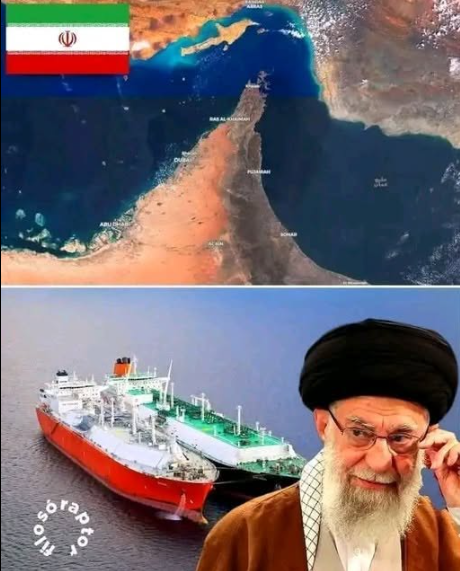
In mid-to-late June 2025, after U.S. strikes on Iranian nuclear sites, Iranian state media and lawmakers reported that parliament had reached a conclusion supporting closure of the Strait of Hormuz. A member of the National Security Commission (Revolutionary Guards commander Esmail/Ismail Kowsari) stated that parliament favored closing the strait, but the final decision rested with the Supreme National Security Council (SNSC) and ultimately the Supreme Leader.
Parliament’s role in Iran is limited on such core national-security and military matters. The constitution places command of the armed forces, declarations of war/peace, and related high-level decisions under the Supreme Leader. A parliamentary “approval” or recommendation is advisory, not binding operational authority.
Subsequent 2026 reporting shows a far more complex and fluid situation:
- The Strait has been declared closed, reopened under interim arrangements, and closed again at various points amid broader conflict, U.S.-Iran talks (including the Islamabad Memorandum of Understanding), fighting involving Lebanon/Israel, and U.S. military actions.
- Iran’s parliament itself was suspended for months after the outbreak of wider hostilities in early 2026 (linked to the reported death of Supreme Leader Ali Khamenei and related upheaval). It resumed limited/public sessions around mid-July 2026.
- Upon resuming, lawmakers introduced and advanced a bill titled roughly “Strategic Action for Ensuring Security and Sustainable Development of the Strait of Hormuz and the Persian Gulf.” This focused on Iranian management, security, and rights over the waterway rather than a simple one-time “closure” vote. Some lawmakers also issued statements rejecting or declaring dead prior U.S.-Iran understandings.
- Iranian officials and the IRGC have repeatedly asserted control, warned ships, claimed closures “until further notice,” and linked the status of the strait to U.S. actions, regional fighting, and Iranian “rights.” U.S. officials have at times denied effective full closures, stating traffic continued under monitoring.
As of the latest available reports around late July/early August 2026, Iranian sources continued to describe the strait as effectively restricted or closed due to ongoing U.S. military presence and actions, with navigation requests to be processed only once stability returned. Global oil and shipping markets remain highly sensitive to any credible disruption because roughly one-fifth of the world’s seaborne oil trade normally transits the strait.
Why the headline style is misleading
Headlines of the form “BREAKING: IRANIAN PARLIAMENT APPROVES THE CLOSURE OF THE E…See more” are classic engagement bait. They:
- Truncate the key noun so the reader must click.
- Present an advisory or earlier parliamentary position as if it were a final, irreversible operational decision.
- Often recycle 2025 language into 2026 contexts without clarifying the distinction between recommendation, bill introduction, IRGC declarations, and actual sustained blockage of shipping.
In practice, full, sustained closure of the Strait of Hormuz has never been maintained long-term by Iran even in prior crises, because the economic and military consequences (for Iran itself, Gulf exporters, global energy prices, and potential international military response) are severe. Threats and temporary restrictions have been used repeatedly as leverage.
Broader context (2025–2026)
The period has involved escalated U.S.-Iran confrontation, strikes on nuclear facilities, reports of high-level Iranian casualties including the Supreme Leader, temporary suspension of Iran’s parliament, intermittent U.S.-Iran diplomatic tracks, IRGC assertions over the waterway, and competing claims about whether the strait is open, restricted, or closed. Shipping, insurance, and energy markets react to every statement; verified sustained total closure would produce immediate, measurable effects on tanker traffic and oil prices that independent trackers would report.
Bottom line: Iranian parliamentary statements and bills related to the Strait of Hormuz have occurred, especially in the context of conflict and negotiation. They do not equate to an irreversible, parliament-ordered permanent shutdown that overrides the SNSC and Supreme Leader. Current claims of closure come primarily from Iranian military/security bodies and remain contested by U.S. statements about ongoing traffic. Treat truncated “BREAKING” social posts with caution and cross-check against primary reporting from multiple established outlets rather than the truncated teaser itself.
If you have the full original post, a specific date, or a particular outlet’s version, provide it and I can examine that claim more precisely