BREAKING: The Iran Conflict Expands as Drone Strike Hits U.S.-Linked Energy Vessel in Egypt
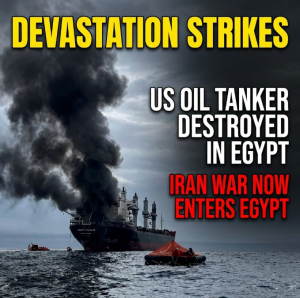
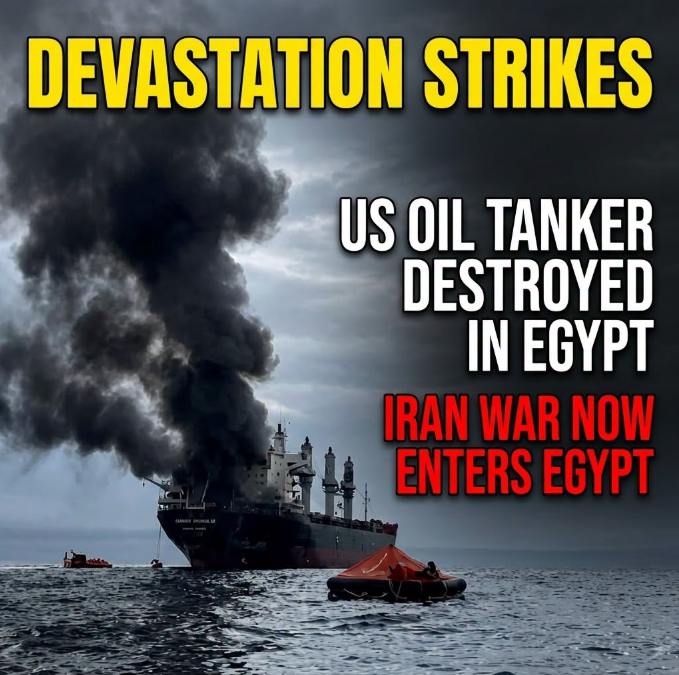
The conflict involving Iran has entered a dangerous new phase after a drone attack struck a U.S.-linked floating gas storage vessel at Egypt’s Mediterranean port of Damietta, marking the first confirmed attack on Egyptian territory since the current regional escalation began. Egyptian authorities said the attack caused fires aboard two vessels, but emergency crews quickly contained the blaze and no casualties were reported. Responsibility has not yet been officially assigned, and investigations remain ongoing.
The incident has drawn immediate international attention because it extends the conflict beyond the countries that have already been directly involved. Until now, much of the fighting had centered on Iran, U.S. military positions, Israel, Iraq, and maritime routes around the Persian Gulf and Red Sea. The strike on infrastructure in Egypt represents a significant geographic expansion that could complicate regional security calculations.
According to Egyptian officials, the attack occurred at the Damietta LNG terminal, one of the country’s major natural gas export facilities. The U.S.-owned floating storage and regasification unit Energos Winter reportedly caught fire after being struck, with flames spreading to a second vessel before firefighters brought both blazes under control. Authorities confirmed there were no deaths or injuries, and port emergency plans were activated immediately.
Although the physical damage appears to have been limited, analysts say the symbolic significance is substantial. Egypt has largely remained outside direct military confrontation while serving as an important diplomatic player in Middle Eastern affairs. An attack on its territory raises concerns that the conflict could increasingly affect countries that had previously avoided becoming battlefields.
Investigators have not publicly identified who launched the drone. Maritime security firms concluded that the damage was consistent with a drone strike, but Egyptian authorities have emphasized that the investigation is continuing and have not officially blamed any government or armed group.
Energy markets reacted cautiously to the news. Damietta is an important export point for liquefied natural gas, and the Suez Canal region has become increasingly important for global shipping as other maritime routes have faced disruptions. While shipping operations were not immediately halted, traders and insurers are closely watching developments because additional attacks could increase transportation costs and create new risks for global energy supplies.
The strike also highlights the growing role of drones in modern warfare. Compared with traditional missiles or aircraft, drones can be relatively inexpensive while still threatening critical infrastructure. Energy facilities, ports, pipelines, and storage terminals have increasingly become targets because even limited damage can create widespread economic uncertainty.
Military experts note that attacks on energy infrastructure often have objectives beyond physical destruction. Even when facilities remain operational, such incidents can increase insurance premiums, disrupt commercial planning, and influence international markets. In many cases, the psychological impact exceeds the immediate material damage.
For Egypt, protecting its ports and energy facilities has become an even greater priority. The country occupies a strategic position linking Europe, Africa, and Asia through the Suez Canal, making it one of the world’s most important transportation corridors. Any threat to infrastructure in the region immediately attracts international attention because of its importance to global trade.
The latest incident also comes at a time of already heightened regional tensions. Recent exchanges involving U.S. forces, Iranian military assets, and allied groups have increased fears that the conflict could spread across multiple countries. Several governments have urged restraint while continuing to monitor military developments closely.
Financial markets have also been paying close attention. Historically, geopolitical instability in the Middle East has often affected oil and natural gas prices. Investors are watching whether this attack remains an isolated incident or signals a broader campaign against regional energy infrastructure.
Shipping companies are reviewing security measures as well. Operators moving cargo through the Mediterranean, the Red Sea, and the Suez Canal routinely assess changing risks, particularly during periods of military escalation. Insurance providers may also reevaluate premiums if attacks on commercial facilities become more frequent.
Diplomatic efforts continue despite the growing tensions. Egypt has long played a role in regional mediation, and officials are expected to continue working with international partners while strengthening domestic security around key infrastructure.
Military analysts caution against drawing premature conclusions about responsibility before official investigations are completed. In fast-moving conflicts, early reports often change as additional evidence becomes available. Governments typically rely on forensic analysis, intelligence assessments, and surveillance data before making formal attributions.
The attack nevertheless underscores how quickly regional conflicts can affect civilian infrastructure far from the original battlefield. Facilities supporting global energy supplies are increasingly viewed as strategically important, making them potential targets during periods of international tension.
International leaders are expected to continue monitoring developments closely over the coming days. Whether this event proves to be an isolated strike or part of a wider campaign may influence future military, diplomatic, and economic responses throughout the region.
For now, authorities have confirmed that the fires have been extinguished, there were no reported casualties, and investigations remain underway. While the damage appears limited, the incident has intensified concerns that the ongoing conflict could continue expanding geographically, increasing risks for regional stability and global energy markets.