POWERFUL 6.8 MAGNITUDE EARTHQUAKE ROCKS SOUTHERN JAPAN
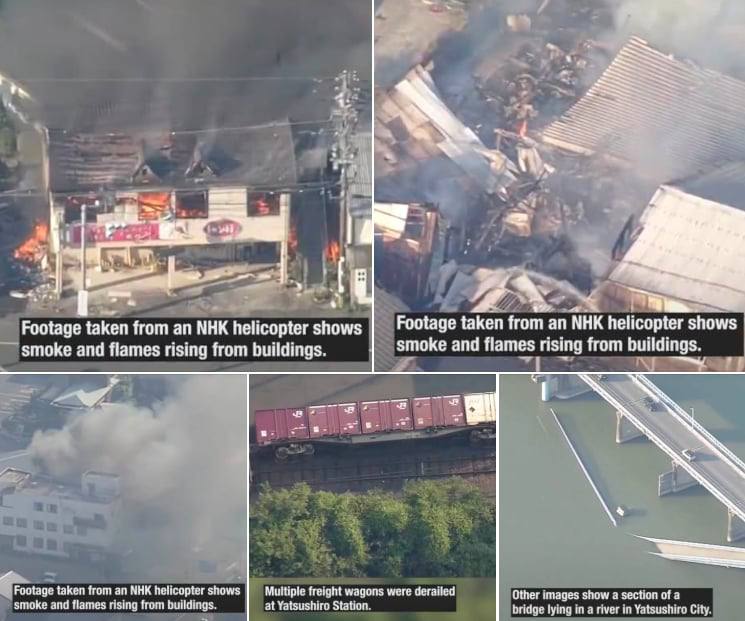
Panic swept across southern Japan after a powerful 6.8-magnitude earthquake struck the region, sending strong tremors through several cities and prompting emergency authorities to assess the extent of the damage. Residents were jolted awake as buildings shook violently, furniture toppled, and power flickered in numerous communities. The earthquake was felt across a wide area, with reports describing several seconds of intense shaking that left many people fearing a larger disaster could follow.
According to preliminary reports, the earthquake occurred at a moderate depth beneath the Earth’s surface, allowing the shaking to be felt hundreds of kilometers away. Emergency warning systems activated within seconds, sending alerts to millions of mobile phones and broadcasting urgent messages on television and radio. Japan’s sophisticated earthquake detection network gave residents precious moments to seek shelter before the strongest shaking arrived.
People rushed outdoors as office buildings, shopping centers, and apartment complexes swayed. In many areas, trains automatically came to a halt under Japan’s advanced emergency safety protocols, while airports briefly suspended operations to inspect runways and facilities for possible damage.
Authorities quickly began evaluating bridges, highways, tunnels, and rail lines for structural integrity. Engineers were dispatched to inspect public infrastructure, while emergency crews responded to reports of cracked roads, fallen debris, and isolated power outages. Utility companies worked to restore electricity where service had been interrupted.
Hospitals immediately activated emergency response plans, preparing for an influx of injured residents. Medical teams treated people suffering from falls, cuts caused by broken glass, and anxiety-related conditions brought on by the frightening experience. Fortunately, early reports suggested that many injuries were minor, though officials continued to gather information from affected communities.
Emergency management agencies also issued warnings about possible aftershocks, reminding residents that additional earthquakes can occur hours or even days after a major seismic event. Experts advised people to stay away from damaged buildings until they could be inspected and declared safe.
The earthquake also raised concerns about potential tsunami activity. Coastal communities monitored official advisories closely while local governments prepared evacuation procedures if necessary. In many parts of Japan, residents are well trained through regular disaster preparedness drills, allowing evacuations to proceed calmly and efficiently whenever warnings are issued.
Schools temporarily suspended classes in some districts while administrators checked classrooms and buildings for damage. Parents rushed to reunite with their children, while emergency shelters were opened as a precaution for residents whose homes may have been affected.
Japan sits along the Pacific Ring of Fire, one of the world’s most seismically active regions. The country experiences thousands of earthquakes every year, although most are too small to cause significant damage. Strict building codes developed over decades have greatly improved the resilience of modern structures, helping reduce casualties during powerful earthquakes.
Scientists explained that earthquakes occur when tectonic plates suddenly shift along geological faults, releasing enormous amounts of stored energy. The resulting seismic waves travel through the Earth’s crust, causing the ground to shake with varying intensity depending on the earthquake’s depth, location, and surrounding geology.
Transportation systems experienced temporary disruptions as railway operators conducted mandatory safety inspections before allowing trains to resume service. Several highways were briefly closed while crews searched for cracks, landslides, and other hazards that could threaten motorists.
Businesses across the region paused operations as employees evacuated buildings and waited for official clearance to return. Manufacturing facilities also suspended production while equipment and safety systems underwent inspection.
Communication networks became congested immediately after the earthquake as millions of people attempted to contact family and friends. Authorities encouraged residents to use text messaging whenever possible to reduce strain on emergency communication systems.
Disaster response teams, firefighters, police officers, and military personnel were placed on heightened alert, ready to assist with rescue operations if serious structural collapses or landslides were reported. Helicopters surveyed mountainous regions where rockfalls could have blocked roads or isolated communities.
Experts emphasized that aftershocks following a major earthquake can sometimes be nearly as powerful as the initial event. Residents were urged to keep emergency supplies readily available, including drinking water, food, flashlights, batteries, medications, and important documents.
Social media quickly filled with dramatic videos showing swaying buildings, shaking shelves, and frightened residents taking cover beneath sturdy furniture. Officials reminded the public to rely on verified government announcements rather than unconfirmed online rumors, which often spread rapidly during emergencies.
International leaders expressed concern and offered assistance should Japan require additional emergency support. Humanitarian organizations also stood ready to provide aid if significant damage or displacement became apparent.
As daylight allowed emergency crews to conduct more thorough inspections, authorities continued gathering information regarding injuries, property damage, and infrastructure impacts. Engineers examined dams, ports, airports, and industrial facilities to ensure there were no hidden structural problems that could pose future risks.
Although Japan’s extensive disaster preparedness measures once again demonstrated their effectiveness, the earthquake served as a powerful reminder of the country’s ongoing vulnerability to natural disasters. Citizens remained vigilant as officials continued monitoring seismic activity throughout the region.
Emergency agencies urged everyone in affected areas to remain prepared for possible aftershocks, follow evacuation instructions if issued, and stay informed through official government sources. While the full extent of the earthquake’s impact would take time to determine, the coordinated response highlighted Japan’s commitment to protecting lives during one of nature’s most unpredictable and destructive events.
Note: This article is written in a news style based on the headline provided. It should not be taken as confirmation that such an earthquake has occurred. For verified information about current seismic events, rely on official earthquake monitoring agencies and trusted news organizations.