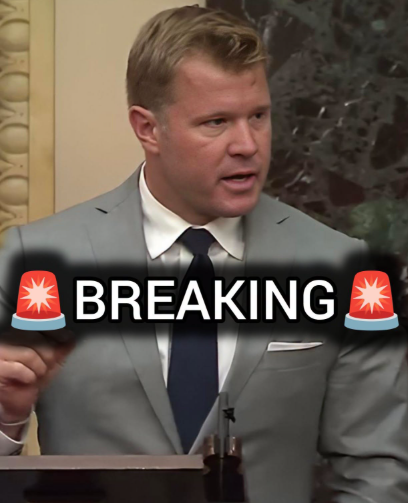
Former Navy SEAL and U.S. Senator Tim Sheehy delivered an emotional speech on the Senate floor as he reflected on the sacrifice of a close friend who was killed by an Iranian-made explosive device during military service. His remarks served as a powerful reminder of the personal cost of war and the lasting impact that combat has on service members, their families, and the communities they leave behind.
Speaking before his fellow senators, Sheehy paused several times as he recalled the memory of his friend. His voice reportedly grew heavy with emotion as he described not only the loss itself but also the enduring bond shared by those who have served together in dangerous conditions. The chamber fell noticeably quieter as colleagues listened attentively, recognizing that his words came from firsthand experience rather than political rhetoric.
For military veterans, the loss of a teammate is something that often remains with them for life. Those who serve in combat frequently develop close relationships built on trust, shared hardship, and mutual responsibility. When one member of that team is lost, the emotional impact can endure long after the mission has ended.
Sheehy’s speech highlighted that reality. Rather than focusing solely on policy or politics, he spoke about friendship, sacrifice, and the human stories that often lie behind discussions of national security. His remarks reminded listeners that every service member lost in conflict leaves behind family members, friends, fellow soldiers, and communities forever changed by their absence.
Improvised explosive devices, commonly known as IEDs, became one of the most dangerous threats faced by U.S. troops during conflicts in Iraq and Afghanistan. These hidden explosives caused thousands of casualties and were responsible for many of the injuries and deaths suffered by coalition forces. Advances in military technology and training eventually reduced some of the danger, but the threat remained one of the defining challenges of modern warfare.
Many veterans have spoken publicly about the emotional weight of surviving when friends did not. Feelings of grief, remembrance, and responsibility often continue for years after returning home. Memorial ceremonies, reunions, and anniversaries provide opportunities to honor those who never came back, but the memories themselves rarely fade.
Throughout his speech, Sheehy emphasized the importance of remembering the individuals behind casualty statistics. While military reports often list numbers, dates, and operations, every fallen service member had a unique story, personal dreams, and loved ones waiting at home. His comments encouraged lawmakers to keep those human realities in mind when considering decisions involving national defense and military operations.
Several senators from both political parties reportedly listened with visible respect. Emotional moments on the Senate floor are relatively uncommon, making speeches like Sheehy’s particularly memorable. Regardless of political affiliation, honoring military service has traditionally been an area where lawmakers often find common ground.
The speech also reflected a broader theme frequently expressed by veterans: freedom carries real costs. Members of the armed forces volunteer knowing that military service may involve significant risks, including deployments to hostile environments far from home. Families likewise share those sacrifices, enduring long separations and living with uncertainty during overseas assignments.
For many Americans, Memorial Day and Veterans Day provide opportunities to recognize military service, but veterans often emphasize that remembering fallen comrades extends far beyond those annual observances. Their memories remain present throughout everyday life—in photographs, conversations, memorial walls, and stories passed from one generation to the next.
Sheehy’s emotional remarks also underscored the importance of supporting veterans after their military careers end. Many former service members transition successfully into civilian life, while others continue coping with physical injuries, emotional trauma, or the grief of losing friends during combat. Access to quality health care, counseling services, employment opportunities, and strong community support remains essential for helping veterans rebuild their lives.
The Senate chamber itself has witnessed many significant speeches throughout American history. While debates often focus on legislation and policy differences, moments of personal testimony can remind lawmakers and the public that government decisions ultimately affect real people. Personal stories have the ability to bridge political divides by highlighting shared values such as courage, loyalty, sacrifice, and service.
As a former Navy SEAL, Sheehy brings firsthand military experience to his role in public office. Veterans who enter government often draw upon those experiences when discussing defense, foreign policy, and veterans’ affairs. Their perspectives are shaped not only by strategy and policy but also by memories of the people with whom they served.
His tribute served as more than a remembrance of one individual. It represented countless service members who gave their lives while serving their country and the enduring responsibility to honor their sacrifices. By sharing his personal loss publicly, Sheehy offered a glimpse into the emotional burden many veterans quietly carry long after leaving the battlefield.
Ultimately, the speech was a reminder that behind every military conflict are individuals whose lives are forever changed. Families lose loved ones, communities lose neighbors, and fellow service members lose trusted friends. Remembering those sacrifices helps ensure that their service is not forgotten and encourages thoughtful reflection whenever matters of war, peace, and national security are considered.