BREAKING: Iranian Parliament Approves Measure Supporting Closure of the Strait of Hormuz
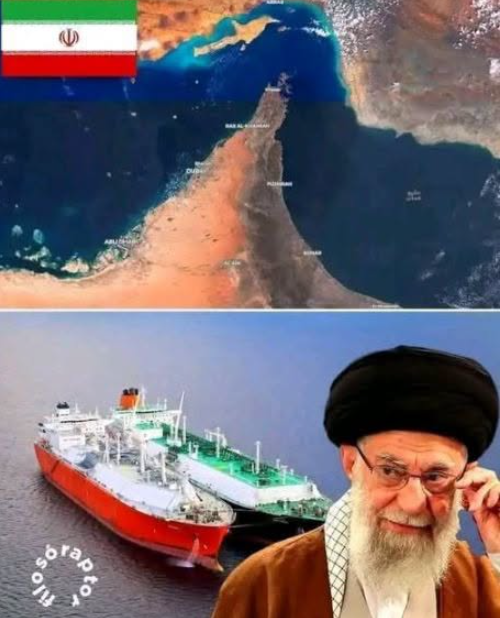
Tensions in the Middle East have once again captured global attention after reports that Iran’s parliament approved a measure supporting the potential closure of the Strait of Hormuz, one of the world’s most strategically important waterways. The development has raised concerns among governments, energy markets, and international shipping companies, although experts note that parliamentary approval alone does not necessarily mean the strait will be closed.
The Strait of Hormuz is a narrow passage connecting the Persian Gulf with the Gulf of Oman and the Arabian Sea. It serves as one of the busiest maritime routes in the world, with a significant share of global oil and liquefied natural gas exports passing through its waters each day. Because many of the world’s largest energy producers rely on this route, any disruption could have widespread economic consequences.
According to reports, lawmakers approved a proposal in response to escalating regional tensions. However, under Iran’s political system, final decisions regarding military and strategic actions generally rest with the country’s highest national security authorities and leadership rather than parliament alone.
International observers are closely monitoring the situation.
Energy analysts warn that even the possibility of restrictions in the Strait of Hormuz can affect global oil prices. Markets often react quickly to uncertainty, and traders pay close attention to any developments that could influence energy supplies.
Shipping companies are also reviewing contingency plans. Commercial vessels operating in the region routinely coordinate with maritime authorities and monitor security advisories to ensure the safety of crews and cargo.
Several governments have urged restraint, emphasizing the importance of keeping international shipping lanes open. Diplomatic efforts continue as regional and global leaders seek to reduce tensions and prevent further escalation.
Military analysts point out that completely closing the Strait of Hormuz would present significant logistical and political challenges. The waterway is critical not only to Iran but also to neighboring countries whose economies depend heavily on maritime trade.
Historically, periods of heightened tension in the region have often resulted in increased naval patrols, higher insurance costs for commercial shipping, and greater volatility in energy markets. While threats involving the strait have surfaced multiple times over the years, the waterway has generally remained open to international shipping.
Economists caution that prolonged uncertainty could affect fuel prices, transportation costs, and broader global inflation if trade through the region were significantly disrupted.
For now, officials and analysts continue to watch for further announcements from Iranian authorities and responses from the international community. Investors, businesses, and governments are expected to remain focused on diplomatic developments in the coming days.
Although the situation remains fluid, experts stress the importance of relying on verified information from official sources rather than social media speculation. As events continue to unfold, additional details may clarify the practical implications of the parliamentary action and whether further steps will be taken.
The Strait of Hormuz remains one of the world’s most important maritime chokepoints, making developments there significant not only for the Middle East but also for the global economy and international energy markets.