BREAKING: Iranian Parliament Approves Proposal Regarding the Strait of Hormuz—What It Could Mean
A dramatic announcement from Iran has once again placed one of the world’s most strategically important waterways in the global spotlight. According to reports, Iran’s parliament has approved a proposal supporting the possible closure of the Strait of Hormuz, a narrow passage that serves as a vital route for international oil and natural gas shipments.
While the headline has generated worldwide attention, it is important to understand what such an announcement actually means. In Iran’s political system, parliamentary approval alone does not automatically result in the closure of the waterway. Any significant action would typically require additional decisions by senior national authorities and military leadership before implementation.
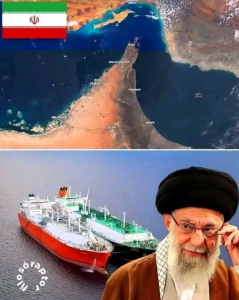
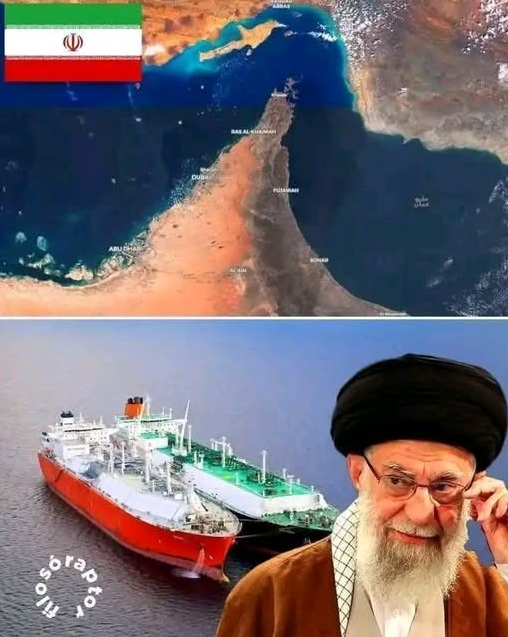
The Strait of Hormuz connects the Persian Gulf to the Gulf of Oman and the Arabian Sea. At its narrowest point, it is only about 21 miles (34 kilometers) wide, yet it handles a substantial share of the world’s seaborne oil exports. Every day, millions of barrels of crude oil and petroleum products pass through the strait on tankers bound for markets in Asia, Europe, and other regions.
Because of its importance, any suggestion that shipping through the strait could be disrupted immediately attracts global attention. Financial markets often react quickly to such developments, with energy traders monitoring events closely for any signs that supplies could be interrupted.
News of the parliamentary vote prompted renewed discussions among governments, energy analysts, and shipping companies. Although commercial traffic continued in the immediate aftermath of the announcement, experts emphasized that the situation remained fluid and that future decisions by Iranian authorities would be closely watched.
Military analysts noted that the Strait of Hormuz has long been considered one of the world’s most sensitive maritime chokepoints. The United States and several allied nations maintain naval forces in the surrounding region to help ensure freedom of navigation and protect commercial shipping. Regional countries also closely monitor activity in the area because of its economic importance.
Oil-producing nations in the Persian Gulf rely heavily on the strait to export their energy resources. Saudi Arabia, Iraq, Kuwait, Qatar, the United Arab Emirates, and Iran itself all ship significant quantities of oil and natural gas through the passage. Any prolonged disruption could affect producers and consumers alike.
Energy economists explained that uncertainty alone can influence global oil prices. Markets often respond not only to actual supply interruptions but also to perceived risks that future deliveries could be delayed. As a result, even political announcements sometimes lead to increased price volatility.
Shipping companies are also paying close attention. Commercial vessels operating in the region routinely evaluate security conditions and may adjust schedules, routes, or insurance coverage depending on the evolving situation. Marine insurers often reassess risk levels whenever geopolitical tensions increase.
International leaders urged restraint following reports of the parliamentary decision. Diplomats from several countries emphasized the importance of keeping international shipping lanes open and resolving disputes through dialogue rather than military escalation.
Economic experts pointed out that many countries have spent years working to diversify energy supplies and reduce dependence on any single transportation route. Nevertheless, the Strait of Hormuz remains one of the most important energy corridors in the world, making developments there significant for the global economy.
Analysts also cautioned against assuming that parliamentary approval automatically means immediate action. Government decision-making often involves multiple institutions, legal procedures, and strategic considerations. Political statements and legislative actions do not always translate directly into operational changes.
Financial markets responded cautiously as investors weighed the potential implications. Energy stocks, shipping companies, and commodity markets often experience increased volatility whenever geopolitical uncertainty affects major trade routes.
Beyond oil, the strait also serves as a transit point for liquefied natural gas (LNG), particularly exports from Qatar, one of the world’s largest LNG producers. Disruptions to LNG shipments could have implications for countries that rely on imported natural gas for electricity generation and industrial use.
Defense analysts observed that maintaining safe maritime navigation has long been a priority for many governments. International law generally supports freedom of navigation through key waterways used for global commerce, although disagreements over maritime rights occasionally arise.
Businesses around the world are also monitoring developments. Airlines, manufacturers, logistics companies, and shipping firms all depend on stable energy markets to manage costs and maintain reliable operations. Sudden increases in fuel prices can affect transportation expenses and supply chains.
Consumers may also notice indirect effects if energy prices rise for an extended period. Higher oil prices can influence gasoline, diesel, aviation fuel, and other transportation costs, which sometimes contribute to broader inflationary pressures.
Regional governments have not announced any immediate changes to commercial shipping operations, but security agencies continue to monitor the situation closely. Naval patrols and surveillance activities remain routine in the area to ensure awareness of maritime developments.
Experts stress that predicting future events remains difficult. Diplomatic negotiations, military assessments, and political decisions could all influence how the situation develops in the coming days or weeks. Markets and governments alike are therefore watching official announcements carefully.
Ultimately, while the parliamentary vote represents an important political development, it does not by itself confirm that the Strait of Hormuz will be closed. Any such move would carry significant economic, political, and security implications, making it one of the most consequential decisions any government could consider.
As events continue to unfold, observers around the world will be looking for official statements from Iranian authorities, responses from neighboring countries, and updates from international organizations. The situation remains dynamic, and further developments are likely to shape global discussions about energy security, regional stability, and international trade in the weeks ahead.