California Wildfires Trigger Emergency Response as Crews Battle Fast-Moving Flames
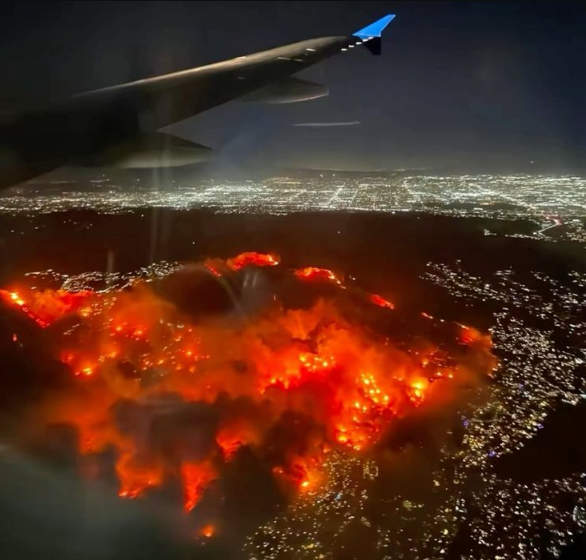
Wildfires have once again placed parts of California on high alert, as fast-moving flames, dry vegetation, and challenging weather conditions have combined to create dangerous fire behavior in several regions. Firefighters from across the state have been deployed to protect homes, businesses, and critical infrastructure while emergency officials urge residents in affected communities to remain alert and follow evacuation orders when issued.
According to emergency management agencies, multiple fire crews responded shortly after reports of smoke and flames were received. Aircraft, helicopters, bulldozers, and hundreds of firefighters were quickly dispatched to contain the growing wildfire before it could spread into nearby neighborhoods. Strong winds, low humidity, and high temperatures have complicated suppression efforts, allowing the fire to move rapidly through dry brush and forested areas.
Authorities established incident command centers to coordinate firefighting operations and monitor changing weather conditions throughout the day. Fire officials said their primary objective is protecting lives, followed by defending homes, businesses, and other important structures that may be threatened by the advancing flames.
Residents living near the fire zone were advised to prepare for possible evacuation. In some areas, mandatory evacuation orders were issued after officials determined that the fire posed an immediate risk to public safety. Emergency shelters were opened to accommodate displaced families, while local law enforcement officers went door to door notifying residents who needed to leave quickly.
Traffic congestion developed along several evacuation routes as families packed essential belongings, pets, medications, and important documents before leaving their homes. Emergency officials reminded residents not to delay evacuation orders, emphasizing that conditions can change rapidly during wildfires.
Firefighters worked around the clock to establish containment lines using hand crews, bulldozers, and controlled burning operations where conditions allowed. Aircraft dropped thousands of gallons of water and fire retardant on the advancing flames in an effort to slow their progress and give ground crews additional time to strengthen defensive lines.
The cause of the wildfire has not yet been officially determined. Investigators will examine multiple possibilities, including lightning strikes, equipment failures, accidental human activity, or other ignition sources. Fire officials cautioned against speculation until investigators complete their examination of the fire’s origin.
California experiences some of the most active wildfire seasons in the United States due to its climate, diverse terrain, and extended periods of drought. During hot summer months and early autumn, dry vegetation becomes highly flammable, increasing the likelihood that even a small spark can ignite a rapidly spreading wildfire.
Meteorologists warned that weather conditions may continue to challenge firefighting efforts. Gusty winds can carry burning embers well ahead of the main fire, creating new spot fires that are difficult to predict. These embers can ignite rooftops, fences, vegetation, and other combustible materials, sometimes miles from the original fire line.
Public safety officials urged residents to monitor official emergency alerts and avoid relying on unverified information circulating on social media. Accurate evacuation instructions and road closure updates are typically distributed through local emergency management agencies, sheriff’s offices, and state emergency notification systems.
Utility companies also monitored conditions closely. In areas where wildfire danger becomes extreme, electric utilities sometimes implement Public Safety Power Shutoffs to reduce the risk that damaged electrical equipment could ignite additional fires. While these preventive outages can inconvenience residents, they are intended to reduce the likelihood of new wildfire starts during dangerous weather.
The wildfire also affected air quality across nearby communities. Thick smoke reduced visibility and prompted health officials to recommend that residents limit outdoor activity, especially young children, older adults, and individuals with respiratory or heart conditions. Schools and outdoor recreational activities may be modified or canceled depending on local air quality conditions.
Wildfires can have significant environmental impacts beyond the immediate burn area. Forests, grasslands, wildlife habitats, and watersheds may all be affected by intense fires. Following containment, land management agencies often begin erosion control projects and ecological assessments to reduce the risk of flooding or landslides during future rainstorms.
The economic consequences of large wildfires can also be substantial. Damage to homes, businesses, agricultural operations, utilities, and transportation infrastructure may require months or even years of recovery. Insurance claims, rebuilding efforts, and disaster assistance programs often continue long after the flames have been extinguished.
Emergency management officials praised the cooperation among local fire departments, state agencies, federal firefighters, law enforcement personnel, emergency medical teams, and volunteer organizations assisting affected communities. Mutual aid agreements allow resources from across California and neighboring states to be deployed rapidly when large incidents overwhelm local capabilities.
Community organizations and volunteers also played an important role by providing meals, temporary shelter, supplies, and emotional support for evacuated families. Animal rescue groups assisted residents who needed help relocating livestock and household pets from threatened areas.
Fire behavior analysts continue using satellite imagery, weather forecasts, and computer modeling to predict the fire’s movement. These forecasts help incident commanders determine where to deploy crews and prioritize structure protection efforts. However, officials caution that changing winds and terrain can cause fire behavior to shift unexpectedly.
Authorities reminded residents living in wildfire-prone areas about the importance of maintaining defensible space around homes by clearing dry vegetation, trimming trees, cleaning roofs and gutters, and following local fire safety recommendations. These preventive measures can significantly improve a home’s chances of surviving a wildfire.
As firefighters continue working to increase containment, emergency officials stress that recovery will take time even after the flames are brought under control. Residents returning to evacuated areas may encounter damaged utilities, hazardous trees, poor air quality, or other safety concerns requiring continued caution.
The investigation into the wildfire’s cause will continue alongside suppression efforts, and officials are expected to release additional information as it becomes available. Until then, authorities encourage the public to remain informed through official emergency channels, respect evacuation orders, and support the firefighters and emergency personnel working tirelessly to protect lives and property.
California’s wildfire seasons have repeatedly demonstrated the importance of preparedness, community cooperation, and rapid emergency response. While the current wildfire presents significant challenges, the coordinated efforts of firefighters, emergency managers, volunteers, and local residents continue to play a vital role in limiting damage and keeping communities safe.