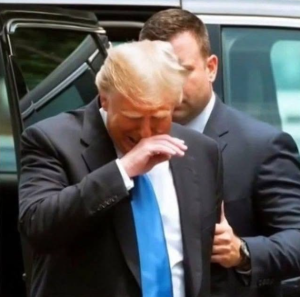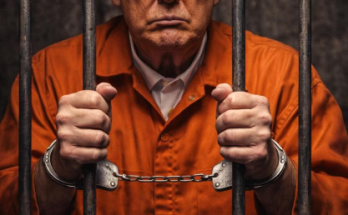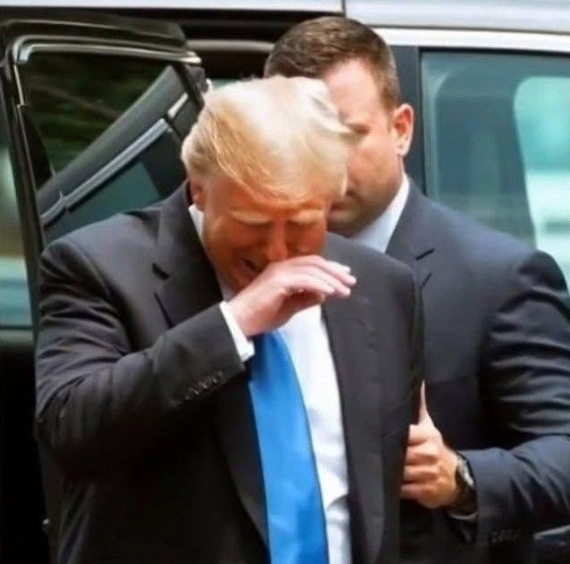
BREAKING NEWS: Crisis at the Capitol
This is a fictional story created for entertainment purposes. It is not based on real events or real people.
The morning had begun like countless others in the nation’s capital. Government employees streamed into office buildings, tourists gathered outside historic landmarks, and reporters prepared for another routine day of political coverage. Few could have imagined that within an hour, every major television network would interrupt its programming with a developing story that would grip the country.
At precisely 10:17 a.m., loud noises echoed near the entrance of the Capitol Complex moments before President Jonathan Walker was scheduled to address lawmakers on a new infrastructure proposal. Secret Service agents immediately surrounded the president and rushed him into a secure location while emergency personnel secured the area.
Within minutes, social media exploded with speculation.
Some claimed there had been an explosion.
Others insisted it was a coordinated attack.
Several viral posts contradicted one another, making it nearly impossible for the public to determine what had actually happened.
Major news organizations refused to repeat unverified claims, instead emphasizing that officials were still investigating.
Outside the Capitol, police quickly established a security perimeter. Helicopters circled overhead while officers redirected traffic away from surrounding streets. Ambulances waited nearby as medical teams stood ready, although authorities declined to comment on whether anyone had been injured.
The uncertainty created anxiety across the country.
Families called loved ones working in Washington.
Financial markets reacted nervously as investors monitored every update.
Government agencies activated emergency communication plans to ensure that essential services continued without interruption.
Inside the White House Situation Room, senior officials gathered to assess the unfolding events. Intelligence analysts reviewed surveillance footage while investigators interviewed witnesses who had been near the scene.
One staff member described the atmosphere as calm but intensely focused.
“Everyone understood that facts mattered more than speed,” the official later recalled. “No one wanted assumptions to replace evidence.”
Meanwhile, journalists faced enormous pressure.
Millions of viewers demanded immediate answers, yet responsible reporters insisted on confirming information before broadcasting it.
Several television anchors reminded audiences that misinformation often spreads fastest during breaking news events and urged viewers to wait for official statements.
An hour after the incident, the Director of the National Protective Service appeared before cameras.
“We understand the public’s concern,” she said. “The president is safe and secure. At this stage, investigators are examining all available evidence. We ask everyone to avoid sharing rumors while this investigation continues.”
Her statement immediately reduced some of the panic, but questions remained.
What had caused the loud noises?
Why had security responded so quickly?
Was there any continuing threat?
Investigators spent the afternoon reviewing security camera recordings from multiple locations surrounding the Capitol. Bomb technicians examined suspicious objects reported by witnesses, while forensic specialists searched for physical evidence.
By early evening, officials announced their preliminary findings.
The sounds that triggered the emergency response had originated from a mechanical equipment failure during nearby construction work. The unexpected noise, combined with heightened security protocols, prompted agents to move the president as a precaution.
No attack had occurred.
No weapons had been discharged.
No injuries related to the incident had been reported.
Although the explanation was simple, the consequences of the confusion were significant.
Experts estimated that thousands of false posts had circulated online before verified information became available. Some fabricated images generated with artificial intelligence had been viewed millions of times within hours.
Cybersecurity researchers later analyzed the online activity, concluding that many misleading posts had been amplified by automated accounts seeking to create panic.
The incident became a powerful case study in modern crisis communication.
Universities invited journalists and emergency management experts to discuss how information should be verified during fast-moving events.
Schools used the example to teach students about media literacy, encouraging them to evaluate sources carefully before believing dramatic headlines.
Government agencies also reviewed their emergency notification procedures.
Officials concluded that providing accurate updates quickly—even when limited information is available—can help reduce confusion and discourage speculation.
President Walker addressed the nation the following evening.
Standing behind the presidential seal, he thanked the security personnel, first responders, investigators, and journalists who had handled the situation professionally.
“Our democracy is strengthened not only by courage,” he said, “but by truth. Moments of uncertainty remind us that facts must always come before fear.”
His remarks were widely praised for encouraging calm and emphasizing transparency.
Across the country, the event sparked conversations about the responsibility shared by governments, media organizations, technology companies, and individual citizens.
Many people admitted they had shared unverified claims before learning the facts.
Others resolved to pause before reposting dramatic headlines in the future.
Within weeks, emergency communication specialists published new recommendations for handling high-profile incidents.
Among their suggestions were faster official briefings, clearer public alerts, improved coordination between agencies, and stronger public education about identifying misinformation.
Although the day had begun with confusion and anxiety, it ultimately demonstrated the importance of professionalism during a crisis.
Investigators relied on evidence rather than assumptions.
Reporters prioritized verification over speed.
Emergency responders followed established procedures.
Citizens who waited for confirmed information helped prevent further panic.
The incident was eventually remembered not as a national tragedy but as a reminder that in the age of instant communication, truth requires patience, careful investigation, and responsible reporting.
For many Americans, the experience reinforced a simple lesson: extraordinary claims demand extraordinary evidence. During moments of uncertainty, remaining calm, seeking reliable information, and resisting the urge to spread unverified rumors can make all the difference.
As life in the capital returned to normal, the events of that day continued to shape discussions about public safety, journalism, and the challenges of navigating a world where information travels faster than ever before.
In the end, the greatest victory was not political. It was the triumph of verified facts over speculation, cooperation over panic, and public trust built through transparency and truth.