Understanding Mosquito-Borne Diseases: Symptoms, Prevention, and Why Early Awareness Matters
Mosquitoes are among the world’s most widespread insects, and although most mosquito bites result in nothing more than temporary itching and mild irritation, some mosquitoes can transmit viruses and parasites that cause serious illness. Every year, hundreds of millions of people are exposed to mosquito-borne diseases, making prevention and early recognition important public health priorities.
Mosquitoes become carriers of disease when they bite an infected person or animal and later transmit the pathogen to another host. Not every mosquito species carries disease, and not every bite leads to infection. The likelihood of illness depends on the species of mosquito, the presence of disease in the local area, and the health of the individual who was bitten.
Several mosquito-borne diseases are well known around the world. Dengue fever, malaria, Zika virus, chikungunya, West Nile virus, and yellow fever each have different symptoms, geographic distributions, and levels of severity. Health authorities continuously monitor these diseases because outbreaks can occur when environmental conditions favor mosquito breeding.
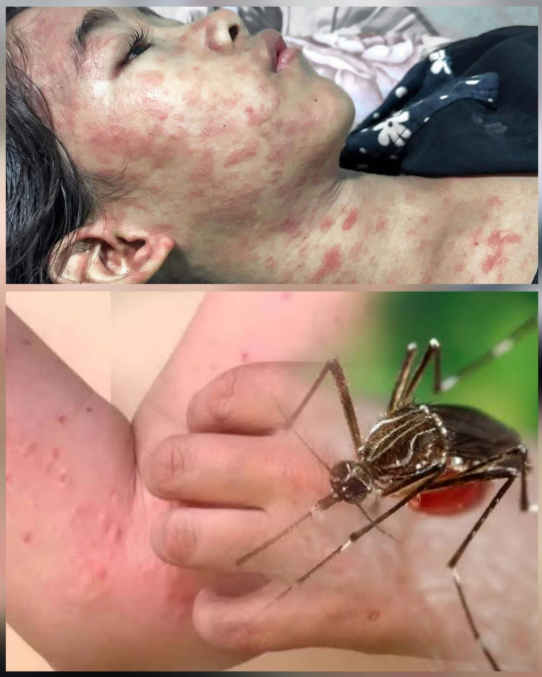
One of the first signs of many viral infections spread by mosquitoes is fever. People may also experience headaches, muscle pain, fatigue, joint pain, nausea, or skin rashes. A rash does not automatically mean someone has a mosquito-borne illness, however. Rashes are common symptoms of many unrelated conditions, including allergic reactions, childhood viral illnesses, and skin irritation.
Children often develop rashes more noticeably than adults because their skin can react differently to infections or allergies. Parents who notice a widespread rash accompanied by fever, difficulty breathing, persistent vomiting, confusion, severe pain, or unusual sleepiness should seek prompt medical evaluation. These symptoms may indicate a condition requiring immediate attention.
Dengue fever has become one of the fastest-growing mosquito-borne diseases worldwide. Many people recover with rest and hydration, but some develop severe dengue, which can cause bleeding, low blood pressure, and organ complications. Early medical assessment is important, especially if warning signs appear after the fever begins to improve.
Zika virus gained international attention because infection during pregnancy can increase the risk of certain birth defects. Most infected adults experience mild symptoms or no symptoms at all, but public health officials continue to monitor the virus in regions where transmission has occurred.
Malaria remains a significant health challenge in many tropical and subtropical countries. Unlike viral diseases, malaria is caused by parasites transmitted through the bite of infected Anopheles mosquitoes. Early diagnosis and appropriate treatment greatly improve outcomes.
West Nile virus is another disease spread by mosquitoes. Most infected individuals never become seriously ill, but a small percentage—particularly older adults and those with weakened immune systems—can develop neurological complications requiring hospitalization.
Preventing mosquito bites remains one of the most effective ways to reduce the risk of infection. Public health agencies recommend using insect repellents registered for safety, wearing long sleeves and pants when mosquitoes are most active, and eliminating standing water around homes where mosquitoes breed. Containers, flowerpots, buckets, clogged gutters, and old tires can collect rainwater and become breeding sites.
Window screens, air conditioning, and mosquito nets provide additional layers of protection, particularly in areas where mosquito-borne diseases are common. Community mosquito-control programs also help reduce mosquito populations through surveillance and targeted interventions.
Climate, rainfall, and seasonal temperature changes influence mosquito activity. Heavy rains may create additional breeding sites, while warmer temperatures can accelerate mosquito development. Because of these factors, health departments often issue seasonal reminders encouraging residents to reduce standing water and take preventive measures.
Scientists continue to develop improved methods for controlling mosquito populations. Research includes better surveillance systems, vaccines for some diseases, environmentally friendly mosquito-control strategies, and rapid diagnostic tests that help healthcare providers identify infections more quickly.
It is important to remember that images circulating online can be misleading if presented without context. A photograph showing a rash next to a mosquito does not prove that the mosquito caused the illness. Medical diagnosis requires consideration of symptoms, medical history, travel history, physical examination, and, when appropriate, laboratory testing.
If someone develops a rash after being bitten by mosquitoes, especially if accompanied by fever or other concerning symptoms, they should contact a healthcare professional for evaluation rather than relying solely on social media posts or images. Many illnesses share similar appearances, and only proper medical assessment can determine the underlying cause.
Public health agencies encourage people to stay informed through reliable sources during periods of increased mosquito activity or disease outbreaks. Following official recommendations and taking practical preventive measures can significantly reduce the risk of mosquito-borne illness while helping communities respond effectively when outbreaks occur.
Although mosquito-borne diseases remain a global concern, most infections can be prevented through awareness, environmental control, and personal protection. By understanding the risks and recognizing when medical attention is needed, individuals and families can better protect themselves and contribute to healthier communities