The Tick With the White Spot: What Parents Should Know After Finding One
Finding a tick attached to your child’s skin can be alarming, especially if it has a distinctive white spot on its back. Many parents immediately wonder whether the tick is dangerous, how long it has been attached, and what steps they should take next. While most tick bites do not lead to serious illness, identifying the type of tick can help you understand the potential health risks and determine whether medical attention is needed.
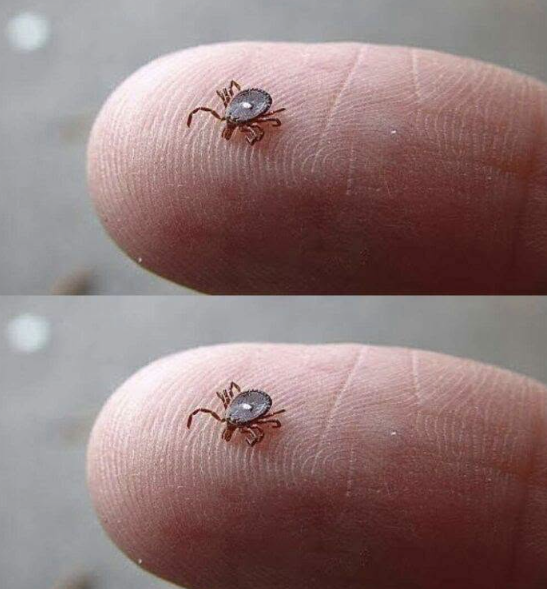
The tick with a single white spot on its back is commonly known as the lone star tick (Amblyomma americanum). Adult females are easy to recognize because of the bright silvery-white dot located in the center of their brown bodies. Males do not have the same single spot but instead display scattered white markings around the edges of their backs.
Originally found mostly in the southeastern United States, lone star ticks have expanded their range considerably over the past several decades. Today they are commonly found throughout much of the eastern, central, and southern United States. They thrive in wooded areas, grassy fields, hiking trails, parks, and even suburban backyards where deer, small mammals, and birds are present.
Children are particularly vulnerable to tick bites because they often spend time outdoors exploring nature. Running through tall grass, climbing fallen logs, camping, hiking, or simply playing in the backyard can all increase the likelihood of encountering ticks. These tiny parasites wait on blades of grass or shrubs, extending their front legs until a passing animal—or person—brushes by.
Unlike some other tick species that tend to stay low to the ground, lone star ticks are active hunters. They readily seek out hosts and may crawl several feet before attaching themselves to the skin. Once attached, they feed on blood for several days before dropping off.
If you discover a lone star tick on your child, try not to panic. The first priority is removing it properly. Using fine-tipped tweezers, grasp the tick as close to the skin’s surface as possible. Pull upward with slow, steady pressure. Avoid twisting, crushing, or jerking the tick, as this may leave parts of its mouth embedded in the skin.
Do not attempt to remove a tick using petroleum jelly, nail polish, matches, essential oils, or other folk remedies. These methods are not recommended because they may cause the tick to release additional saliva, potentially increasing the risk of disease transmission.
After removing the tick, wash the bite area thoroughly with soap and water. Clean the tweezers with rubbing alcohol and wash your hands carefully. If possible, place the tick in a sealed container or plastic bag. Saving the tick can sometimes help healthcare providers identify the species if symptoms later develop.
Many parents immediately think of Lyme disease when they hear the word “tick.” Interestingly, the lone star tick is not considered a primary carrier of Lyme disease. However, that does not mean it is harmless. This species can transmit several other illnesses, including ehrlichiosis, tularemia, Heartland virus disease, Bourbon virus disease, and Southern Tick-Associated Rash Illness (STARI). Researchers continue studying these diseases to better understand how frequently they occur and the best approaches for treatment.
Perhaps the most unusual condition associated with the lone star tick is alpha-gal syndrome. This condition develops when some people become allergic to a sugar molecule called alpha-gal after being bitten by a lone star tick. Unlike most food allergies, reactions typically occur several hours after eating red meat such as beef, pork, or lamb.
Symptoms of alpha-gal syndrome may include hives, stomach pain, nausea, vomiting, diarrhea, swelling of the lips or throat, difficulty breathing, or even severe allergic reactions known as anaphylaxis. Although not everyone bitten by a lone star tick develops this allergy, awareness has increased significantly in recent years as more cases have been identified.
Fortunately, most lone star tick bites result only in minor irritation. Redness, itching, and slight swelling around the bite are common and usually disappear within several days. However, parents should carefully monitor their child for any unusual symptoms over the following few weeks.
Signs that warrant medical evaluation include fever, chills, severe headache, muscle aches, fatigue, widespread rash, swollen lymph nodes, confusion, persistent vomiting, difficulty breathing, or any rapidly worsening illness. Be sure to tell your healthcare provider about the recent tick bite, including approximately when it occurred and where your child may have been exposed.
Preventing tick bites remains the best defense against tick-borne illnesses. When spending time outdoors in wooded or grassy areas, dress children in long sleeves, long pants, and closed-toe shoes whenever practical. Light-colored clothing makes ticks easier to spot before they attach.
Applying an EPA-registered insect repellent containing ingredients such as DEET, picaridin, IR3535, or oil of lemon eucalyptus (when age-appropriate) can also reduce tick bites. Clothing and gear may be treated with permethrin, which remains effective through multiple washings when used according to product instructions.
After outdoor activities, perform a full-body tick check on every family member. Carefully inspect behind the ears, along the hairline, around the neck, under the arms, inside the belly button, around the waist, behind the knees, between the legs, and around the ankles. Ticks often seek warm, hidden areas where they can feed unnoticed.
Bathing or showering within two hours of coming indoors may help wash away unattached ticks while also providing an opportunity for a thorough skin inspection. Clothing worn outdoors should be placed in a hot dryer for at least 10 minutes to kill any ticks that may still be hiding in the fabric.
Pet owners should remember that dogs and outdoor cats can carry ticks into the home. Veterinarian-approved tick prevention products help protect pets while reducing the likelihood that ticks enter living spaces.
Although discovering a tick with a white spot can be frightening, knowledge is one of the best tools parents have. Prompt removal, careful observation for symptoms, and sensible preventive measures greatly reduce the risk of complications. Most tick bites do not lead to serious illness, and staying informed allows families to continue enjoying outdoor adventures with greater confidence and peace of mind.
Nature offers countless opportunities for exploration, learning, and fun. By understanding the lone star tick and taking simple precautions, parents can help keep their children safe while encouraging a lifelong appreciation for the outdoors.