Did You Know That Cremated Bodies Don’t…? Understanding the Facts About Cremation
Cremation is one of the oldest and most widely practiced methods of handling human remains. Over the centuries, it has been embraced by many cultures, religions, and families for a variety of personal, spiritual, and practical reasons. Yet despite its long history, cremation is surrounded by myths, misconceptions, and sensational headlines that often begin with phrases like, “Did you know that cremated bodies don’t… See more.” These incomplete statements are designed to spark curiosity, but they rarely provide accurate or helpful information.
Understanding what actually happens during cremation can help separate fact from fiction.
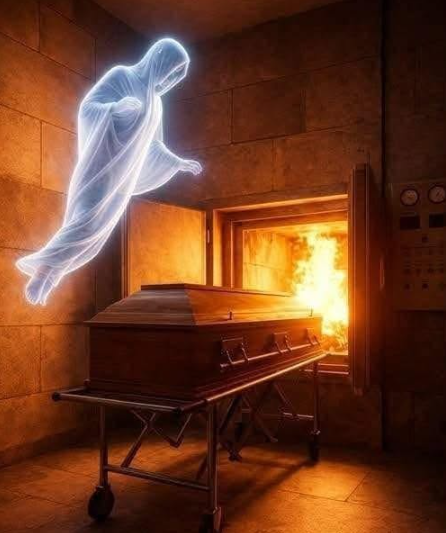
Cremation is a carefully regulated process that takes place in a specially designed facility called a crematory. The body is placed in a cremation chamber, where extremely high temperatures—typically between 1,400 and 1,800 degrees Fahrenheit (760 to 980 degrees Celsius)—reduce organic tissue over the course of several hours.
Contrary to what many people believe, cremation does not simply turn a body into ash. Instead, the intense heat reduces soft tissues, leaving behind bone fragments. After the chamber cools, these fragments are carefully processed into a fine, sand-like material commonly referred to as “cremated remains” or “ashes.”
This is one of the most misunderstood aspects of cremation. The material families receive is not fireplace ash. It consists primarily of processed bone fragments.
Another common misconception is that the process happens instantly. In reality, cremation usually takes several hours, depending on factors such as body size, the type of cremation equipment, and local operating procedures. Afterward, the equipment must cool before trained staff can safely collect the remains.
People are often surprised to learn how carefully the process is managed. Modern crematories follow strict identification procedures to ensure that each person’s remains are properly tracked throughout every stage. Identification tags and documentation help prevent mistakes and provide families with confidence that the remains they receive belong to their loved one.
Many sensational online posts suggest mysterious or shocking facts about cremation, but most of these claims are exaggerated or entirely false. Reliable information is best obtained from licensed funeral professionals, medical experts, or official funeral service organizations rather than social media rumors.
One frequently asked question concerns medical implants. Some materials, such as artificial joints or certain surgical hardware, do not burn during cremation because they are made from heat-resistant metals. After the cremation process, these items are carefully separated from the cremated remains according to established procedures and local regulations.
Another interesting fact is that many families personalize cremation services in meaningful ways. Some choose traditional funeral ceremonies before cremation, while others hold memorial services afterward. There is no single “correct” approach. Families often make decisions based on personal beliefs, cultural traditions, and the wishes of the deceased.
Cremation has become increasingly common in many parts of the world. Rising costs of traditional burials, changing cultural preferences, environmental considerations, and greater flexibility in memorial planning have all contributed to its growing popularity. Families may keep cremated remains in decorative urns, place them in columbariums, bury them in cemeteries, or scatter them in locations where local laws permit.
Different religions view cremation in different ways. Some faiths have accepted it for many years, while others continue to prefer traditional burial practices. Many families choose the option that best reflects both personal beliefs and the wishes of their loved ones.
Cremation also allows families additional time when planning memorial services. Unlike traditional burials, which often occur within a relatively short period, cremation provides greater flexibility in scheduling gatherings so relatives traveling from different locations can attend.
Technology has also changed how people remember loved ones. Today, digital memorials, online tribute pages, video celebrations of life, and personalized keepsakes have become increasingly common. Some families create photo albums, plant memorial trees, or establish charitable donations in honor of someone they have lost.
Grief experts emphasize that there is no “right” way to mourn. Whether a family chooses cremation or burial, healing comes through remembering, sharing stories, supporting one another, and honoring the life that was lived.
Funeral professionals often remind families that memorialization is ultimately about celebrating a person’s legacy rather than focusing solely on the method of disposition. The memories created with loved ones remain far more important than the physical details of funeral arrangements.
Unfortunately, social media often favors mystery over education. Headlines that promise unbelievable secrets or hidden truths about cremation frequently attract attention, but they may leave readers with misunderstandings instead of accurate information. Taking the time to consult reliable sources can help people make informed decisions during emotionally difficult times.
One of the most meaningful aspects of any memorial is the opportunity it provides for family and friends to come together. Sharing stories, photographs, laughter, and even tears helps preserve the memory of someone who touched many lives. These moments of connection often become treasured memories themselves.
Ultimately, cremation is not defined by myths or sensational headlines. It is one of several respectful ways families choose to honor those they love. Understanding the facts behind the process helps replace fear and misinformation with knowledge and compassion.
The next time you encounter a dramatic post claiming to reveal a shocking secret about cremation, remember that the truth is usually much simpler—and far more respectful—than the headline suggests. Accurate information, thoughtful conversations, and compassion for grieving families will always be more valuable than clickbait designed merely to attract attention.