Superhero or Symbol? The Trump Image Sparking Online Debate
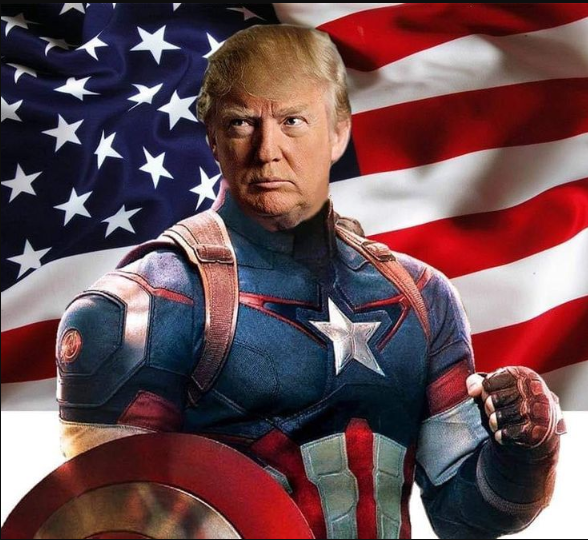
In the age of artificial intelligence, digital art, and viral social media posts, images often travel faster than the stories behind them. One recent example is an eye-catching illustration depicting President Donald Trump in a costume strongly inspired by the iconic comic book superhero Captain America. Set against a backdrop of the American flag, the artwork quickly captured attention online, prompting thousands of comments, shares, and discussions across multiple platforms.
What makes this image particularly interesting is not simply its design, but the wide range of reactions it has generated. To some viewers, it represents patriotism and strength. To others, it is an example of how modern technology blurs the line between entertainment, political expression, and digital creativity. Regardless of personal opinion, the artwork has become a conversation starter about symbolism, media literacy, and the evolving relationship between politics and popular culture.
At first glance, the image appears highly polished. It combines recognizable elements from superhero comics with the likeness of a well-known public figure. The shield, the star-emblazoned uniform, and the dramatic American flag background immediately evoke the imagery associated with Captain America, one of the most recognizable fictional superheroes in modern entertainment.
The image is not an authentic photograph. Instead, it is a digitally created or heavily edited piece of artwork that blends recognizable cultural symbols into a single composition. Thanks to advances in AI image generation and editing software, creating realistic-looking illustrations like this has become increasingly accessible. What once required professional graphic designers and countless hours of editing can now often be accomplished much more quickly using modern digital tools.
This technological shift has transformed the way images spread online. A striking visual can gain millions of views within hours, often shared without much context. In many cases, viewers encounter the image before learning whether it is an illustration, a parody, fan art, or an authentic photograph.
The reactions to the Trump superhero image demonstrate how differently people interpret visual symbolism. Some viewers see the artwork as a celebration of leadership and national pride. Others view it as an example of political branding or internet culture. Still others simply appreciate it as an impressive piece of digital artwork, separate from any political meaning.
These differing interpretations illustrate an important aspect of visual communication: images rarely carry a single, universally accepted meaning. Instead, people often interpret them through the lens of their own experiences, beliefs, and cultural backgrounds.
The use of superhero imagery is especially significant because superheroes have long represented ideals such as courage, determination, sacrifice, and resilience. Characters like Captain America have become cultural icons whose symbolism extends far beyond comic books and blockbuster films.
Because these fictional heroes are so widely recognized, artists sometimes borrow their visual language to create dramatic portraits of real public figures. Similar artistic treatments have featured athletes, musicians, historical figures, business leaders, and celebrities. Such artwork often blends fantasy with reality, creating visually memorable compositions that invite discussion rather than documenting actual events.
Social media has amplified this trend. Platforms reward content that captures attention quickly, and bold visuals are particularly effective at encouraging likes, comments, and shares. An image featuring a famous public figure combined with familiar pop culture elements naturally attracts curiosity.
The comment sections surrounding these viral images often become just as interesting as the artwork itself. Some viewers analyze the artistic techniques used to create the image. Others debate whether artificial intelligence should be used to produce realistic portraits of public figures. Many simply enjoy the creativity involved.
The growing sophistication of AI-generated imagery has also highlighted the importance of media literacy. While this particular image is clearly stylized, other AI-generated images can appear remarkably realistic. As a result, viewers are increasingly encouraged to pause before assuming that any dramatic image circulating online represents an authentic photograph.
Experts in digital media recommend checking whether an image comes from a reliable source, looking for signs of editing or AI generation, and verifying extraordinary claims through multiple trusted outlets. These habits help reduce the spread of misinformation while allowing people to appreciate creative digital art for what it is.
The popularity of superhero-inspired artwork also reflects the enduring influence of comic book culture. Characters created decades ago continue to shape visual storytelling around the world. Their symbols are instantly recognizable, making them powerful tools for artists seeking to communicate ideas through familiar imagery.
For many people, the appeal of this type of artwork lies in its cinematic presentation. Dramatic lighting, detailed costumes, patriotic colors, and confident poses create a visually compelling scene regardless of the viewer’s personal views. Modern AI tools have made it easier than ever for artists and hobbyists alike to experiment with these styles, producing images that often resemble movie posters or comic book covers.
Another reason such images become popular is their ability to spark conversation. Some people focus on the artistic craftsmanship. Others discuss copyright, fair use, or the ethics of AI-generated images. Still others debate the role that symbolism plays in shaping public perception. In this sense, the artwork serves not only as entertainment but also as a reflection of broader conversations about technology, creativity, and communication.
As AI continues to evolve, digitally created images will likely become even more realistic and widespread. This makes critical thinking increasingly valuable. Appreciating artistic creativity while distinguishing fiction from reality is an important skill in today’s digital environment.
Ultimately, the image of Donald Trump portrayed in a Captain America-inspired costume illustrates how visual media can capture public attention almost instantly. Whether viewed as fan art, satire, symbolic expression, or simply an impressive digital creation, it demonstrates the remarkable power of modern image-making technology to generate discussion far beyond the artwork itself.
In an era where a single image can travel around the globe in minutes, understanding both its artistic intent and its fictional nature is just as important as appreciating the creativity behind it. Rather than treating such images as evidence of real events, viewers benefit from recognizing them as examples of how art, technology, popular culture, and public figures increasingly intersect in the digital age.