Myrtle Beach Has Fallen (To ‘Teen Takeover’): Chaos on the Grand Strand
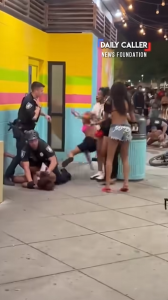
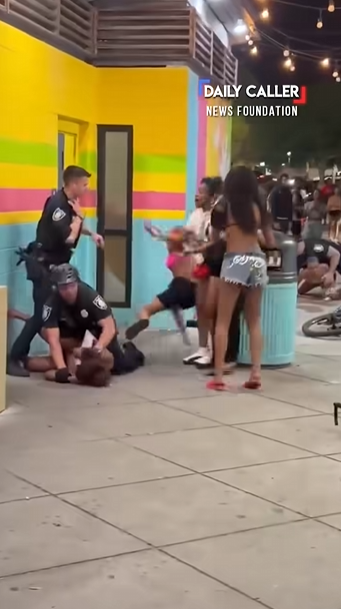
The viral video opens with shaky footage: hundreds of teenagers swarming Ocean Boulevard in Myrtle Beach, South Carolina. Fights erupt in clusters. Fireworks crackle illegally. Police sirens wail as officers sprint through the crowd. A caption blares across the screen: “Myrtle Beach Has Fallen (To ‘Teen Takeover’).” Posted in mid-2026, the clip racked up millions of views, igniting outrage, debates about youth crime, parental responsibility, and the future of family beach destinations. What was once a relaxing coastal haven now faces recurring summer invasions that locals describe as temporary anarchy.
Myrtle Beach, known for its wide sandy shores, boardwalk, and family-friendly attractions, has long been a summer magnet. But recent years have seen a troubling pattern during peak vacation periods—large, loosely organized groups of teens, often from out of state, descending on the area. Coordinated via social media, these “takeovers” involve renting multiple short-term properties in concentrated blocks, then spilling into streets, boardwalks, and beaches en masse. The result: fights, property damage, public intoxication, and overwhelmed first responders.
A Summer of Chaos
One of the most alarming incidents unfolded in late June 2026 in North Myrtle Beach’s Crescent Beach section. Hundreds of teens, many reportedly from the same Virginia school district, coordinated vacation rentals in a tight radius. What began as gatherings escalated into widespread brawls. Police responded to multiple calls involving assaults, fireworks used as weapons, and reckless behavior blocking traffic. Arrests followed, but the sheer volume strained resources. Videos showed teens fighting each other while bystanders filmed, some cheering. Officers made physical arrests amid chaotic scenes that resembled miniature riots.
Similar disturbances hit downtown Myrtle Beach earlier in the season. In April 2026, a large fight on North Ocean Boulevard drew national attention. Juveniles and adults clashed, with reports of a firearm in the crowd (though none discharged). Police detained multiple people, including minors. The mayor acknowledged “room for improvement” in handling such events, while business owners reported lost revenue from scared tourists fleeing early.
These aren’t isolated. Recurring “teen takeovers” have become a seasonal headache. Organizers use platforms like Snapchat, Instagram, and TikTok to rally participants with hashtags promising “fun” and “vibes.” What arrives is often disorder: underage drinking, vandalism, harassment of locals and visitors, and flash mob-style violence. One viral clip showed teens surrounding and taunting officers; another captured a group smashing beach furniture outside rentals.
Root Causes and Contributing Factors
Experts and officials point to several drivers. Post-pandemic shifts in youth behavior play a role—reduced supervision, mental health struggles, and social media’s amplification of risky challenges. Many participants come from urban areas seeking an unsupervised beach escape. Short-term rental platforms enable large groups to book nearby properties cheaply, concentrating trouble in residential zones.
Socioeconomic elements matter too. Some teens hail from challenging backgrounds where impulse control and consequences feel distant. Others are simply following peers in a pack mentality. Critics highlight absent parents who allow or fund these trips without oversight. “These kids don’t respect authority,” one local witness told reporters after a brawl. “They’re here to act out because they can.”
Law enforcement faces dilemmas. Under-policing risks escalation; aggressive response risks viral accusations of brutality, especially when minors are involved. Myrtle Beach and North Myrtle Beach police have increased presence, curfews, and dispersal tactics during peak weekends. Cooperation with out-of-state agencies helps trace organizers. Still, resource limits and legal protections for juveniles complicate accountability. Some arrested teens face charges that get pled down or diverted.
Business and resident impacts are severe. Hotel occupancy dips after viral incidents. Families cancel trips. Retail shops board up windows preemptively. Longtime residents feel their community has been hijacked. Tourism drives the local economy—millions visit annually for golf, dining, and beaches. Repeated chaos threatens that golden goose.
Broader National Context
Myrtle Beach isn’t alone. Similar “teen takeover” or “youth mob” incidents have hit Chicago’s Magnificent Mile, Philadelphia, Atlanta, and other tourist spots. Viral videos capture large groups overwhelming public spaces, leading to robberies, fights, and destruction. Discussions often turn racial or socioeconomic, but data shows participation crosses lines—though certain urban cohorts feature prominently in headlines.
Conservative voices frame these as symptoms of cultural decay: fatherless homes, soft-on-crime policies, social media addiction, and eroded respect for authority. They call for stricter parental liability, curfews, rental restrictions, and prosecuting minors as adults for serious offenses. Progressive perspectives emphasize root causes like poverty, trauma, underfunded youth programs, and over-policing that alienates communities. Both sides agree disorder harms everyone, especially the teens involved.
Prayers vigils in Myrtle Beach brought teens, officers, and residents together post-incident, seeking healing. Community leaders push mentorship, summer jobs, and positive activities. Yet immediate deterrence remains essential.
Potential Solutions
Local officials debate measures. Tighter short-term rental regulations—limits on occupancy, mandatory host presence, or bans during peak teen travel periods—could help. Enhanced surveillance, rapid response teams, and social media monitoring for planned disruptions offer tools. Education campaigns targeting parents could prevent unsupervised trips.
Statewide, South Carolina lawmakers have discussed tougher penalties for organized disturbances. Tourism boards promote family-focused marketing to counter negative images. Technology like license plate readers and crowd analytics aids prediction.
For teens, consequences matter. Community service, restitution, and parental fines might deter better than light slaps. Long-term, addressing family breakdown, school discipline, and youth mental health could reduce appeal of destructive “takeovers.”
Myrtle Beach’s Fight for Its Future
Myrtle Beach built its reputation on accessible fun—mini-golf, seafood buffets, ocean breezes. The “teen takeover” phenomenon risks tarnishing that. Business owners report mixed summers: strong weekends interrupted by chaos that drives away repeat visitors. One restaurant server described cleaning up after fights: broken glass, stolen items, terrified families.
Residents organize neighborhood watches and petition for more funding. The mayor and council face pressure to balance tourism growth with livability. Positive stories—successful concerts, clean beaches, helpful locals—still dominate, but viral negatives spread faster.
As another summer wanes in 2026, Myrtle Beach reflects broader American challenges: balancing freedom with order, youth autonomy with accountability, economic vitality with safety. The “fallen” narrative is hyperbolic— the beach endures—but warnings are clear. Without sustained action, family destinations risk seasonal surrender to disorder.
Tourists still flock for sun and surf. Most teens visit responsibly. Yet the disruptive minority, amplified by phones and coordination, creates outsized harm. Restoring Myrtle Beach requires collective will: parents supervising, police empowered, communities united, and youth channeled toward positive outlets.
The Grand Strand isn’t lost. But it’s fighting to reclaim its carefree spirit—one safer summer at a time.