Jane Fonda: “I’m Truly Ashamed of America” — A Hollywood Icon’s Fourth of July Lament
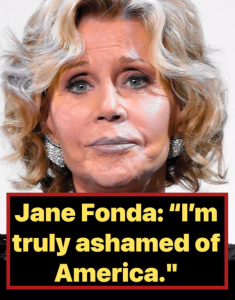
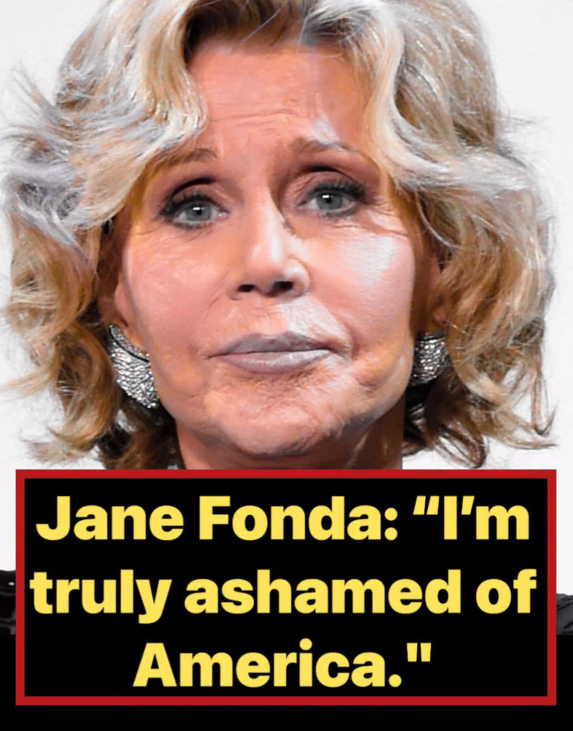
At 88 years old, Jane Fonda remains one of Hollywood’s most enduring and polarizing figures. Actress, activist, fitness pioneer, and two-time Oscar winner, Fonda has never shied away from speaking her mind. On the eve of the Fourth of July 2026, she made headlines once again with stark words: “I’m truly ashamed of America.” The statement, echoed across interviews and her public appearances, captured a profound disillusionment. She’s not excited for the Fourth of July. She’s not excited about what’s happening in this country. Fonda attributes much of her shame to Donald Trump’s return to the presidency and the American electorate’s choice to return him to office rather than elect Kamala Harris in 2024.
Fonda’s comments arrived amid a backdrop of dueling Independence Day events. While some celebrated with traditional fireworks, barbecues, and Trump administration spectacles like the UFC Freedom 250 at the White House, Fonda helped organize and headline the “Rise Up, Sing Out” concert in New York City. Billed as a defense of the First Amendment, the star-studded event featured Julia Roberts, Bette Midler, Patti Smith, and others, livestreamed as a counterpoint to official festivities. For Fonda, the holiday no longer evoked uncomplicated patriotism. Instead, it highlighted what she sees as a nation veering toward authoritarianism, division, and lost ideals.
A Lifetime of Activism Meets the Present
Fonda’s political journey spans decades. Known as “Hanoi Jane” for her controversial 1972 visit to North Vietnam during the war, she has faced decades of criticism from conservatives. She has since expressed regret for some aspects of that episode while defending her anti-war stance. Over the years, Fonda has championed environmental causes, women’s rights, civil rights, and opposition to various U.S. interventions. Her activism in the Trump era intensified, including climate protests (notably the “Fire Drill Fridays” arrests) and vocal criticism of his policies.
In 2025–2026, Fonda co-founded the Committee for the First Amendment, framing the current moment as more dangerous than McCarthyism. She has described a “chilling time” involving perceived threats to free speech, democracy, and institutional norms. Her shame, she explained in interviews, stems from what she views as a rejection of progress: women’s reproductive rights, climate action, inclusive democracy, and accountability for powerful figures. The 2024 election outcome—Trump prevailing over Harris—represented, in her eyes, a choice by millions to embrace grievance, nationalism, and personality-driven politics over competence and unity.
Supporters of Fonda praise her consistency and courage. At her age, many celebrities retreat from controversy. Fonda, by contrast, uses her platform unapologetically. The “Rise Up, Sing Out” concert drew parallels to historical artistic resistance, invoking suffragists and civil rights-era performers. Attendees and viewers saw it as a defense of dissent in turbulent times.
The Other Side of the Divide
Critics, however, see Fonda’s remarks as emblematic of Hollywood elitism and selective outrage. They point to her past, wealth, and perceived hypocrisy—living luxuriously while decrying the system. Many Americans who voted for Trump in 2024 did so for concrete reasons: concerns over inflation and the southern border during the Biden-Harris years, skepticism toward mainstream institutions, a desire for energy independence and economic deregulation, and fatigue with cultural shifts they viewed as imposed from coastal elites. Exit polls and post-election analyses showed strong support among working-class voters, including growing shares of Hispanic and Black men, driven by pocketbook issues and perceptions of strength on crime and foreign policy.
Trump’s backers argue his return delivered results—stronger borders, stock market gains, avoidance of new wars, and a focus on “America First.” They view Democratic narratives of “threats to democracy” as hyperbolic, especially given robust elections, court checks, and ongoing debates. Fonda’s shame, detractors say, reflects disdain for half the country rather than introspection about why voters rejected Harris, whose campaign faced criticism over policy execution, border challenges, and connecting with everyday concerns.
This polarization defined the 2026 Fourth of July. Trump’s White House events emphasized patriotism, military strength, and celebration of the nation’s 250th anniversary approaching. Fonda’s concert highlighted free speech concerns, artistic freedom, and warnings about authoritarian drift. Both sides claimed the mantle of American values—one emphasizing sovereignty and tradition, the other dissent and equity.
Fonda’s Enduring Influence and Legacy
Jane Fonda’s career transcends politics. From Barbarella and Klute to Coming Home and Grace and Frankie, she shaped on-screen portrayals of women’s complexity. Her aerobics videos revolutionized fitness culture in the 1980s. Yet activism has defined her public persona as much as acting. In recent years, she has reflected on aging, resilience, and using celebrity responsibly.
Her 2026 comments fit a pattern of outspokenness. She has warned of existential threats, urged solidarity, and criticized corporate complicity in what she sees as rights erosion. For fans, this makes her a role model of lifelong engagement. For skeptics, it perpetuates division.
Broader context matters. America in 2026 remains deeply split. Polls show persistent partisan gaps on Trump’s legitimacy, policy impacts, and cultural direction. Economic data, border statistics, and international developments fuel competing narratives. Supporters credit Trump with renewed confidence and strength; opponents decry chaos, legal controversies, and norm-breaking. Independent voices lament the lack of nuance, calling for pragmatism over purity tests.
Reflections on Patriotism and Shame
Fonda’s expressed shame raises timeless questions: What does it mean to love one’s country? Can one feel profound disappointment while remaining committed to its improvement? Patriots throughout history—from abolitionists invoking the Declaration against slavery to civil rights leaders marching for equality—have criticized America sharply while affirming its promise. Fonda positions herself in that tradition, arguing current leadership betrays founding principles of liberty and justice.
Others define patriotism differently: defending institutions, respecting electoral outcomes, prioritizing national interests, and fostering unity through shared identity rather than grievance. They see constant shame as corrosive, preferring gratitude for freedoms, opportunities, and sacrifices of service members.
Sarah, a fictional composite of concerned citizens inspired by similar sentiments, might echo Fonda while acknowledging complexity. “I love this country enough to demand better,” she might say. Conversations across dinner tables, social media, and workplaces reveal exhaustion with extremes. Many Americans, regardless of vote, want functional governance, economic security, and reduced toxicity.
As fireworks lit skies on July 4, 2026, reactions varied. Some danced to music at Fonda’s event, feeling solidarity in resistance. Others cheered military flyovers or community parades, embracing celebration. The divide persists, but so does the republic’s endurance—tested through debate, elections, and cultural expression.
Fonda, at 88, shows no signs of quiet retirement. Her words, whether one agrees or not, contribute to the marketplace of ideas the First Amendment protects. In a nation of 330+ million, shame and pride coexist uneasily. The Fourth of July reminds us that America’s story is unfinished—written by its people’s choices, voices, and resilience.
For Fonda, this chapter brings disappointment. For others, vindication. The debate itself, loud and imperfect, remains quintessentially American.