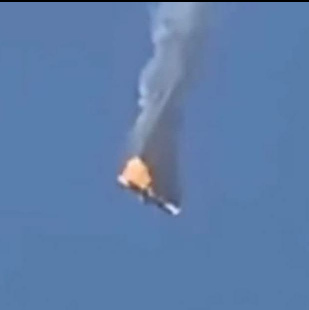
No confirmed reports of an Israeli jet being shot down over Iraq as of July 3, 2026.
Sensational headlines like “𝗕𝗥𝗘𝗔𝗞𝗜𝗡𝗚: Israeli Jet Reportedly Shot Down Over Iraq” have circulated on social media and certain news aggregators, often tied to the ongoing Israel-Iran conflict that escalated in early 2026. However, major verified sources, including the IDF, U.S. CENTCOM, and established international outlets, have not confirmed such an incident over Iraqi airspace. Claims appear to stem from Iranian state media assertions, unverified social media videos, and fog-of-war rumors common in active conflict zones.
Context of the Broader Conflict
The 2026 Israel-Iran war (sometimes referred to alongside U.S. involvement) has seen intense aerial operations. Israel has conducted strikes deep into Iranian territory, while Iran and its proxies have launched missiles, drones, and claimed multiple shootdowns. Israeli F-35I “Adir” stealth fighters have played a prominent role, achieving historic air-to-air kills against Iranian aircraft, such as a Yak-130 over Tehran in March 2026.
Iran has repeatedly claimed successes against Israeli (and U.S.) aircraft, including several alleged F-35 downings over its own territory (e.g., near Tabriz). These claims are often amplified by state media but lack independent wreckage verification or neutral confirmation in many cases. Iraq, with its complex mix of U.S. presence, Iranian influence via militias, and fragile sovereignty, has been a secondary theater—hosting some U.S. operations, proxy attacks, and occasional spillover.
No mainstream reporting confirms an Israeli jet loss specifically over Iraq in recent weeks. Related incidents include:
- U.S. aircraft losses or crashes in/near Iraq (e.g., KC-135 refueling plane incidents).
- Iranian claims of downing Israeli assets, mostly attributed to air defenses inside Iran.
- Historical precedents, like older Syrian shootdowns of Israeli jets, fuel speculation.
Why Such Reports Spread Quickly
In modern conflicts, information warfare is as critical as kinetic operations. “Breaking” headlines often originate from:
- Iranian Revolutionary Guard Corps (IRGC) statements.
- Pro-Iranian accounts on X, Telegram, or TikTok sharing alleged debris videos (frequently unverified or from unrelated events).
- Western analysts and OSINT accounts attempting to parse satellite imagery, flight tracking data, or radar leaks.
These reports gain traction because both sides have incentives: Israel maintains operational security and rarely confirms losses immediately; Iran projects strength to deter further strikes and boost domestic morale. Iraq’s government has denied airspace violations while navigating pressure from multiple actors.
Hypothetical Analysis: What If It Were True?
If an Israeli jet were downed over Iraq, implications would be significant:
- Tactical Shift: It would suggest Iranian or proxy air defenses (e.g., advanced SAM systems smuggled or operated by militias like Kata’ib Hezbollah) have extended reach or improved integration. Israeli pilots operate with sophisticated electronic warfare, standoff munitions, and escort packages—evading or suppressing defenses has been a hallmark of IAF operations.
- Geopolitical Ramifications: Iraq could face accusations of complicity or inability to control its airspace. The U.S., with bases and forces in the region, might increase operations against Iranian-backed groups. Escalation risks involving Jordan, Syria, or Gulf states could rise.
- Pilot Fate and Recovery: Israeli doctrine emphasizes intense efforts to recover downed personnel (e.g., via special forces or negotiations). A capture scenario would become a major propaganda coup for adversaries and a domestic crisis in Israel.
- Technological Insights: Loss of an advanced platform like an F-35 would raise concerns about stealth technology compromise, though Israel’s variants include unique modifications. Past incidents (e.g., 2018 F-16 loss to Syrian fire) led to rapid retaliatory strikes degrading enemy air defenses.
- Broader War Dynamics: The conflict has already involved drone swarms, ballistic missiles, cyber operations, and strikes on energy infrastructure. A confirmed jet loss could prompt Israel to intensify targeting of Iranian command nodes, nuclear sites, or proxy supply lines.
Military Realities and Challenges
The Israeli Air Force (IAF) is one of the world’s most experienced and technologically advanced. It maintains qualitative edges through pilot training, networked warfare, and platforms like the F-35, F-15I, and F-16I. Iran relies on a mix of aging Soviet-era systems, indigenous developments (e.g., Bavar-373 SAM), and asymmetric tactics.
However, no air force is invincible. Factors increasing vulnerability:
- Extended range missions requiring tankers and loitering in contested areas.
- Dense, layered air defenses around high-value targets.
- Electronic jamming, decoys, and sheer volume of fire.
- Human factors: fatigue, rules of engagement, and real-time intelligence gaps.
U.S. support has included refueling, intelligence, and defensive intercepts, but incidents like the reported KC-135 crashes highlight risks even for non-combat aircraft.
Media Literacy in Conflict Reporting
Approach “breaking” claims cautiously:
- Demand multi-source verification (IDF statements, satellite imagery from Maxar/Planet, reputable OSINT like @oryxspioenkop or flight trackers).
- Distinguish between “reportedly,” “claimed,” and “confirmed.”
- Watch for recycled footage—older videos from Syria, Ukraine, or training exercises often resurface.
- Consider motives: Click-driven outlets, state propaganda, or genuine leaks.
As of now, the specific headline appears unconfirmed and likely exaggerated or mislocated from other theater claims.
Potential Future Developments
Should tensions persist:
- Israel may expand “pre-emptive” operations to neutralize threats.
- Diplomatic efforts (via U.S., Qatar, or Oman) could seek de-escalation, especially around oil routes like the Strait of Hormuz.
- Proxy militias in Iraq/Syria might increase attacks on U.S./Israeli interests, leading to tit-for-tat responses.
- Long-term: Regional realignments, with Gulf states balancing against Iran while avoiding full war.
In summary, while the Israel-Iran shadow war has turned hot with real aerial losses on multiple sides, the precise claim of an Israeli jet downed over Iraq lacks substantiation from reliable channels. Conflicts like this evolve rapidly—monitor official briefings, avoid unverified social media as primary sources, and recognize that truth often emerges days or weeks later amid the chaos. For the latest verified updates, cross-reference outlets like Reuters, AP, or Jane’s Defence