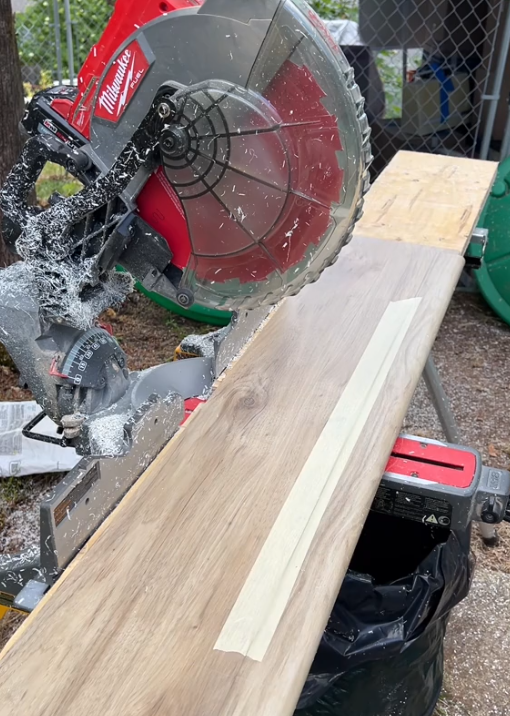
 Hardwood flooring has long been considered one of the most desirable flooring options for homes and commercial spaces. Its natural beauty, durability, and timeless appeal make it a favorite among homeowners, builders, and designers alike. Whether installed in a new construction project or during a renovation, hardwood flooring can transform a room by adding warmth, character, and value. Every plank tells a story through its grain patterns, color variations, and texture, making each floor unique.
In recent years, alternatives such as luxury vinyl plank (LVP), luxury vinyl tile (LVT), and laminate flooring have become increasingly popular. These materials are designed to mimic the appearance of natural wood or stone while offering advantages such as lower cost, easier installation, and improved resistance to moisture. For many homeowners, choosing between hardwood, LVP, LVT, and laminate comes down to balancing aesthetics, budget, and lifestyle needs.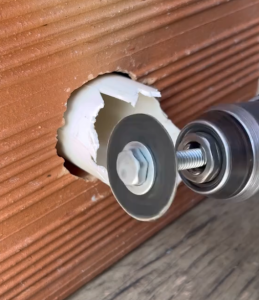
Luxury vinyl plank flooring has gained a strong reputation for its versatility and performance. Modern manufacturing techniques allow LVP to closely resemble real hardwood, often making it difficult to distinguish from the genuine material at first glance. Unlike traditional hardwood, LVP is highly resistant to water, making it suitable for kitchens, bathrooms, basements, and other areas where moisture may be a concern. Its durability also makes it a practical choice for households with children, pets, or heavy foot traffic.
Luxury vinyl tile shares many of the same benefits as LVP but is typically designed to replicate the appearance of stone, ceramic, or other tile surfaces. LVT combines visual appeal with comfort underfoot, often providing a softer feel than traditional tile. It can be installed in a variety of patterns and styles, giving homeowners the flexibility to achieve different design aesthetics without the cost or complexity associated with natural materials.
Laminate flooring remains another popular option due to its affordability and ease of installation. Many laminate products feature click-lock systems that allow planks to connect securely without the need for adhesives. This has made laminate a favorite among do-it-yourself enthusiasts who want to upgrade their flooring without hiring professional installers. Advances in laminate technology have also improved durability and appearance, enabling products to better mimic real wood textures and finishes.
Construction and remodeling projects often involve careful consideration of flooring choices because the floor serves as the foundation of a room’s overall design. Selecting the right material can influence not only the appearance of a space but also its maintenance requirements, longevity, and daily functionality. Builders and remodelers must evaluate factors such as subfloor conditions, moisture levels, traffic patterns, and budget constraints before recommending a flooring solution.
For DIY enthusiasts, flooring projects can be particularly rewarding. Installing a new floor often provides immediate visual impact and can significantly improve a home’s appearance. Many modern flooring systems are designed with user-friendly installation methods, allowing homeowners to complete projects with basic tools and careful planning. Measuring rooms accurately, preparing the subfloor properly, and following manufacturer guidelines are essential steps that contribute to successful results.
Tools play a critical role in flooring installation. Depending on the material being used, installers may rely on tape measures, utility knives, flooring cutters, miter saws, spacers, tapping blocks, pull bars, and moisture meters. Having the right tools not only improves efficiency but also helps ensure precision and professional-looking results. Experienced installers understand that preparation and accuracy are just as important as the flooring material itself.
One reason flooring content frequently trends on social media is its satisfying visual nature. Time-lapse videos often showcase dramatic transformations, turning outdated rooms into modern, inviting spaces. Viewers enjoy watching old flooring removed, new planks aligned perfectly, and completed projects reveal stunning before-and-after results. The repetitive patterns, clean lines, and visible progress create content that many people find relaxing and engaging.
Workmanship is another aspect that attracts attention online. Skilled flooring professionals demonstrate techniques developed through years of experience, including precise cuts around corners, seamless transitions between rooms, and careful alignment of planks. Watching experts solve installation challenges can be both educational and entertaining, inspiring homeowners to tackle their own projects or appreciate the craftsmanship involved.
Hardwood flooring, despite competition from newer materials, continues to maintain a strong presence in the market. Many homeowners value its authenticity, natural appearance, and potential for refinishing. Unlike some alternatives, hardwood can often be sanded and refinished multiple times throughout its lifespan, extending its beauty for decades. This long-term durability contributes to its reputation as a premium flooring option.
At the same time, LVP, LVT, and laminate continue to evolve, offering increasingly realistic designs and enhanced performance features. Manufacturers regularly introduce new textures, colors, and installation systems that appeal to a wide range of consumers. As technology advances, the gap between natural and manufactured flooring appearances continues to narrow.
Whether someone is building a new home, remodeling an existing space, or pursuing a DIY project, flooring remains one of the most impactful upgrades available. The right choice can enhance comfort, improve aesthetics, and increase property value. From traditional hardwood to modern vinyl and laminate solutions, today’s flooring industry offers options for nearly every style, budget, and application. The combination of craftsmanship, tools, transformation, and creativity ensures that flooring projects will continue to capture attention both on job sites and across social media platforms.