BREAKING: Explosions Shake Dubai Amid US-Iran Showdown – Gulf Region on Edge
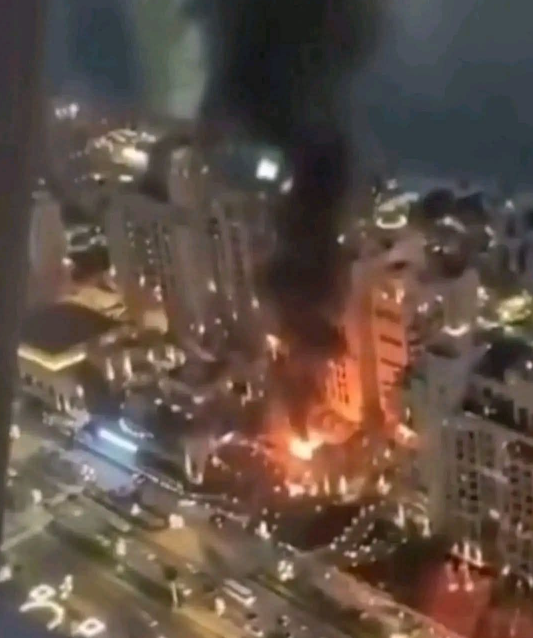
In a dramatic escalation of the ongoing US-Iran conflict, multiple explosions rocked Dubai on Monday, sending shockwaves through the glittering skyscrapers of the United Arab Emirates’ economic powerhouse. Residents reported loud bangs, shaking buildings, and plumes of smoke visible over key areas including the Dubai International Financial Centre (DIFC) and near iconic landmarks. Authorities have activated emergency protocols as the UAE finds itself increasingly drawn into the broader regional showdown between the United States, its allies, and Iran.
This latest incident comes as tensions in the Strait of Hormuz and across the Gulf remain at a boiling point. The United States has maintained a naval blockade and conducted strikes on Iranian assets, while Iran has retaliated with waves of missiles, drones, and proxy attacks targeting US bases and Gulf infrastructure. Dubai, long a symbol of stability and luxury in the Middle East, is now experiencing the direct spillover of this high-stakes confrontation.
Timeline of the Latest Explosions
According to eyewitness accounts and preliminary statements from UAE officials, the explosions began around midday local time. Residents in Downtown Dubai and areas near Dubai Creek Harbour described hearing a series of loud detonations, followed by the activation of air raid sirens. Social media videos, many of which remain unverified by authorities, show dark smoke rising against the backdrop of the Burj Khalifa and other high-rises. One viral clip captured what appeared to be interceptor missiles lighting up the sky as UAE air defenses engaged incoming threats.
UAE defense sources indicate that several ballistic missiles and drones were intercepted successfully, though at least one strike caused minor damage to a commercial building in the financial district. Emergency services responded swiftly, with fire crews battling a small blaze near a construction site. Initial reports suggest limited casualties—possibly three to five injuries from debris or panic-related incidents—but no large-scale fatalities have been confirmed so far. Dubai International Airport temporarily diverted flights, contributing to widespread disruption in one of the world’s busiest aviation hubs.
The timing aligns with heightened Iranian activity following recent US operations against Iranian tankers attempting to breach blockades in the Strait of Hormuz. US forces have reported disabling multiple vessels and neutralizing small boat swarms, actions Iran has decried as acts of aggression. In response, Tehran has vowed to target American allies in the Gulf, putting the UAE squarely in the crosshairs.
The Broader US-Iran Showdown
The current crisis traces back to late February 2026, when joint US-Israeli strikes targeted Iranian nuclear facilities and military sites in what was dubbed Operation Roaring Lion. Iran responded with a massive retaliatory barrage across the region, hitting US bases in multiple Gulf states and launching attacks toward Israel. The UAE, home to significant American military presence including at Al Dhafra Air Base, has since faced repeated threats.
Explosions in both Dubai and Abu Dhabi were reported as early as February 28, with air defenses engaging incoming projectiles. The conflict has seesawed between periods of fragile ceasefires and renewed flare-ups. As of early June 2026, US naval forces continue efforts to keep the Strait of Hormuz open for international shipping, a critical chokepoint for global oil supplies. Iranian forces have mined sections of the waterway and deployed asymmetric tactics, including drone swarms and speedboat attacks.
Dubai’s vulnerability stems from its proximity to the conflict zone and its role as a financial and logistical hub. The city hosts millions of expatriates, massive infrastructure projects, and serves as a gateway for trade. Analysts warn that sustained attacks could devastate investor confidence and the tourism sector, which has only recently recovered from previous regional instabilities.
Human and Economic Impact
For residents of Dubai, the explosions have shattered the sense of security that defines daily life in this futuristic metropolis. “I was in a meeting when the building shook,” said one financial professional working in DIFC. “We all rushed to the windows and saw the smoke. This isn’t something you expect here.” Schools in affected areas were placed on lockdown, and many businesses closed early as parents hurried to collect children.
The UAE government has urged calm while reinforcing its air defense systems, which have intercepted hundreds of projectiles since the conflict intensified. Hospitals remain on high alert, and blood donation drives have been organized. Expatriate communities, particularly from South Asia and Europe, are monitoring evacuation advisories from their embassies.
Economically, the ripples are already being felt. Oil prices surged on news of the latest incidents, reflecting fears over disruptions to Gulf energy exports. Dubai’s stock market experienced volatility, with trading halted briefly in some sectors. Insurance premiums for regional operations are expected to skyrocket, and major events, including international conferences, face potential cancellations.
International Reactions and Diplomatic Efforts
The United States has reaffirmed its commitment to defending its Gulf partners. Pentagon spokespeople stated that American forces assisted in intercepting threats and stand ready to respond proportionally. President [current administration] is expected to address the latest developments, emphasizing the need to counter Iranian aggression while avoiding a full-scale regional war.
Iranian state media has claimed responsibility for striking “Zionist and American assets” in the UAE, framing the attacks as legitimate self-defense. However, international observers question the precision and proportionality, noting civilian risks in densely populated areas like Dubai.
China and Russia have called for de-escalation and restraint, while European nations have expressed concern over the humanitarian and economic fallout. The United Nations Security Council is scheduled for emergency consultations, though veto powers may limit concrete action.
Within the UAE, officials have summoned diplomatic channels and reinforced alliances. The country’s leadership balances strong ties with the US and Western partners against the need to protect its sovereignty and economic model, which relies on stability.
Looking Ahead: Risks and Pathways to Resolution
This latest round of explosions highlights the precarious nature of the US-Iran showdown. Potential flashpoints include further tanker incidents in Hormuz, cyber attacks on critical infrastructure, or escalation involving proxy militias in Iraq and Yemen. Experts fear a “War of the Cities” scenario where urban centers across the Gulf become targets.
Prevention strategies under discussion include enhanced multilateral diplomacy, renewed nuclear talks, and confidence-building measures like temporary shipping corridors. On the ground, Gulf states are investing heavily in advanced missile defense systems and diversifying energy routes.
For now, Dubai remains resilient but rattled. Its iconic skyline, illuminated against the desert night, stands as a testament to human ambition amid geopolitical storms. As investigations continue into the precise origins of today’s blasts, families across the emirate check on loved ones and hope for a swift return to normalcy.
The world watches closely. What began as targeted strikes has evolved into a dangerous confrontation with global consequences—for oil markets, migration patterns, and the fragile peace in one of the world’s most volatile regions. Authorities continue to monitor threats, and updates will emerge as the situation develops.
In times of uncertainty, the people of Dubai have shown remarkable composure, going about their lives while praying the next explosion does not come. The US-Iran showdown has turned the Gulf into a powder keg, and today’s events in Dubai serve as a stark reminder of how quickly sparks can ignite wider flames