Looking the Part, Proving the Rest: Life in Uniform Beyond Appearances
The uniform commands the room before a single word is spoken. Crisp lines, polished badges, pressed fabric — it projects authority, competence, and purpose. Whether it’s the deep navy of a police officer, the camouflage of a soldier, the white coat of a doctor, or the flight suit of a pilot, the uniform instantly signals: “I belong here. I’ve earned this.” But the real story begins once the initial impression fades. Behind the sharp creases and shiny insignia lies a far more complex reality — one of relentless pressure, quiet sacrifice, and the daily work of proving that the person wearing it truly measures up to what the cloth represents.
Society has always been seduced by appearances. Psychological studies consistently show that people attribute higher levels of skill, trustworthiness, and intelligence to individuals in uniform. This “halo effect” is powerful. A firefighter in full turnout gear looks ready to charge into flames. A Marine in dress blues stands as the embodiment of discipline. Yet the uniform is only the starting point. The true measure comes in the thousands of unglamorous moments that happen when no one is watching.
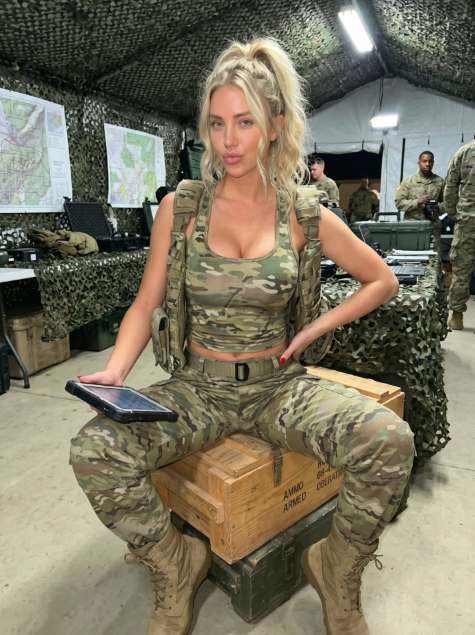
Take military life. From the moment a recruit steps off the bus at basic training, the uniform begins reshaping their identity. Every button, every fold, every polished boot is inspected with brutal precision. The goal isn’t vanity — it’s creating muscle memory for excellence under pressure. Once deployed, however, the uniform often looks very different. It’s caked in dust, soaked in sweat, torn at the seams. A soldier might spend weeks in the same set of fatigues, sleeping in foxholes, eating meals ready to eat, all while maintaining operational focus. The “looking the part” phase ends quickly. What remains is proving the rest: making life-or-death decisions, watching out for your platoon, pushing through exhaustion that would break most civilians.
Police officers experience a similar duality. The crisp patrol uniform and badge project order in chaotic streets. Citizens expect them to be fearless, fair, and flawless. But the job involves far more than dramatic arrests. It’s mediating domestic disputes at 2 a.m., writing reports until your eyes blur, attending yet another community meeting where trust has eroded. The uniform gets them through the door, but character gets them through the shift. Many officers describe an invisible weight — knowing that one bad decision, caught on bodycam, can define their career and their department’s reputation. They carry the symbol of authority while often feeling misunderstood or vilified by the very public they serve.
Healthcare workers in white coats or scrubs face their own version of this paradox. During the height of the pandemic, images of exhausted nurses in full PPE went viral. The uniform (or what was left of it after 16-hour shifts) symbolized hope and heroism. Yet behind the mask was a human being fighting fear, grief, and physical burnout. A surgeon’s white coat opens doors to patient trust instantly. But that trust is only sustained through steady hands during a six-hour operation, clear communication with anxious families, and the humility to admit when a diagnosis needs a second look.
Even seemingly glamorous uniforms carry hidden costs. Commercial pilots in their epaulette-adorned jackets look calm and collected as passengers board. The uniform says “expert.” What it doesn’t show is years of rigorous training, simulator sessions, constant medical checks, and the mental discipline required to handle mechanical failures at 35,000 feet. Flight attendants in tailored uniforms smile warmly while managing everything from medical emergencies to unruly passengers. Their poise is part of the job — looking the part helps keep everyone else calm.
What many outsiders fail to see is how the uniform can become both armor and cage. It protects the wearer’s authority but also strips away individuality. You are no longer just John or Maria. You are Sergeant, Officer, Doctor, Captain. This identity fusion creates incredible pride, but it can also lead to isolation. Many service members and first responders struggle to switch off when they take the uniform off. The hyper-vigilance that keeps them sharp on duty can damage relationships and mental health at home. Divorce rates, PTSD, and burnout statistics across uniformed professions remain sobering reminders that looking the part often demands more than the public ever sees.
Yet the uniform also forges extraordinary bonds. There is a unique camaraderie among those who wear the same cloth. Shared rituals — polishing boots together, standing inspection, debriefing after tough calls — create lifelong connections. When someone truly embodies the values behind their uniform, it becomes more than fabric. It becomes legacy. Think of the veteran who still stands a little straighter when the national anthem plays, or the retired nurse who still shows up to mentor new grads. The uniform may hang in the closet, but the standard it set remains internalized.
Modern challenges are testing this balance. Social media has made every uniformed professional hyper-visible. One viral video of a single officer’s mistake can overshadow years of honorable service. Meanwhile, recruitment difficulties across police, military, and nursing fields show younger generations are questioning whether the sacrifice is worth the scrutiny. Those who stay often speak of a deeper calling — the desire to serve something larger than themselves.
Ultimately, the uniform is a promise. It promises reliability, competence, and courage. But promises must be kept daily through small, often invisible acts. It’s the paramedic who holds a dying patient’s hand and stays until the end. It’s the teacher in a school security uniform who notices a child’s quiet distress and intervenes. It’s the correctional officer who treats inmates with dignity while maintaining order. These moments rarely make headlines, yet they are where the uniform’s true value is proven.
The most respected individuals in uniform understand this deeply. They treat the outward appearance as a starting point, not the destination. They invest in continuous training, emotional intelligence, and ethical decision-making. They know that respect earned through consistent character far outlasts respect demanded by the badge.
In a world increasingly skeptical of institutions, those who wear uniforms carry an extra burden: they must look the part while constantly proving the rest. Most do so quietly, shift after shift, deployment after deployment. Their real strength isn’t in how sharp their uniform appears in photos. It’s in who they choose to be when the uniform comes off and no one is watching.
The next time you see someone in uniform — whether at an airport, hospital, or street corner — remember that behind the polished exterior is usually a human being doing their best to live up to a symbol much larger than themselves. That quiet commitment, more than anything else, is what truly commands respect.