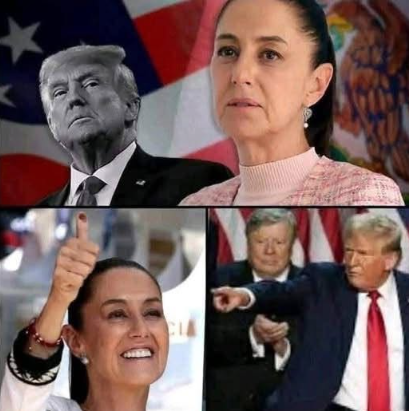
Mexican President Claudia Sheinbaum States That U.S. Intervention Against Cartels Is “Not Necessary”
In early 2026, Mexican President Claudia Sheinbaum delivered a firm message to her U.S. counterpart, President Donald Trump: American military intervention against Mexican drug cartels is “not necessary.” This statement, made following a phone conversation between the two leaders, underscored ongoing tensions in U.S.-Mexico relations while highlighting Sheinbaum’s commitment to Mexican sovereignty.
The context was Trump’s repeated threats to take direct action against cartels operating in Mexico, including potential strikes on their territory. These remarks intensified after Trump’s administration highlighted the role of cartels in fentanyl trafficking and violence spilling across the border. Sheinbaum, however, pushed back diplomatically but decisively, emphasizing bilateral cooperation without foreign troops on Mexican soil.
Background on the Leaders and Relationship
Claudia Sheinbaum, a scientist-turned-politician and successor to Andrés Manuel López Obrador, assumed the presidency in late 2024 as a member of the left-leaning Morena party. She has navigated a complex relationship with Trump, who returned to the White House in 2025. Their dynamic mixes pragmatic deal-making with sharp disagreements over immigration, trade, security, and sovereignty.
Trump has praised Sheinbaum personally at times, calling her a “terrific person” or complimenting her demeanor. Yet he has also applied significant pressure through tariff threats, demands for stricter border controls, and suggestions of unilateral action against cartels. Sheinbaum has responded with measured diplomacy, often stressing dialogue and mutual respect while firmly defending Mexico’s independence.
The specific exchange in question occurred after Trump floated ideas of U.S. military involvement, drawing parallels to actions in other regions like Venezuela. Sheinbaum recounted telling Trump that Mexico’s constitution prohibits foreign interventions and that current security collaboration was yielding results. “We told him, so far it’s going very well, it’s not necessary,” she stated publicly.
Core Issues Driving the Tension
Drug Cartels and Security: Mexican cartels, particularly groups like the Sinaloa Cartel and Jalisco New Generation Cartel, control vast smuggling routes for drugs, including fentanyl, which has fueled the U.S. opioid crisis. Trump has argued that cartels effectively act as a parallel power in parts of Mexico, justifying stronger measures. Sheinbaum acknowledges the threat but insists Mexico is addressing it through domestic law enforcement, arrests of corrupt officials, and intelligence-sharing with the U.S.
Critics of intervention point out that past U.S. efforts, such as the Mérida Initiative, have had mixed results, and direct military action could inflame nationalism, destabilize regions further, or violate international norms. Supporters of Trump’s approach argue that Mexico’s challenges with corruption and cartel infiltration require more assertive pressure to protect American lives.
Trade and Tariffs: Economic interdependence under the USMCA (United States-Mexico-Canada Agreement) remains a leverage point. Trump has used tariff threats to push for concessions on migration and security. Sheinbaum has negotiated pauses or adjustments while protecting Mexican industries.
Migration: The border remains a flashpoint. Mexico has increased enforcement at its southern border and interior, but flows of migrants from Central America and beyond continue. Deaths of Mexican citizens in U.S. custody have prompted protests from Mexico City.
Historical Sensitivities: Mexico’s history with U.S. interventions—from the Mexican-American War to past covert operations—makes any suggestion of U.S. troops highly charged. Sheinbaum has leaned into national pride, reminding citizens of Mexico’s sovereignty, as seen in her sarcastic response to Trump’s “Gulf of America” comments, reaffirming the Gulf of Mexico’s name.
Sheinbaum’s Strategy: Sovereignty with Cooperation
Sheinbaum’s approach blends firmness with pragmatism. She has rejected military intervention multiple times, citing constitutional principles and territorial integrity. At the same time, her administration has conducted anti-corruption operations targeting politicians allegedly linked to cartels, partly to demonstrate proactive governance and reduce excuses for U.S. unilateralism.
In press conferences, she has accused Washington of “meddling” in response to U.S. indictments of Mexican officials but has also pursued independent investigations. This balances domestic political demands—Morena’s base values independence—with the need to maintain economic ties with the U.S., Mexico’s largest trading partner.
Her calm, scientific demeanor has earned praise for de-escalating Trump’s rhetoric. Analysts note she avoids personal attacks, focusing on facts and shared interests like reducing violence and legal trade.
Trump’s Perspective and Domestic Pressures
For Trump, cartel violence and border security are core campaign promises. High overdose deaths in the U.S. and visible chaos at the border fuel demands for results. His administration views pressure on Mexico as necessary to force action that diplomatic niceties alone might not achieve.
However, direct intervention risks escalation, strained alliances, and logistical nightmares. Even Trump has often paired threats with compliments toward Sheinbaum, suggesting room for negotiation.
Broader Implications
This exchange reflects deeper structural issues in North American relations:
- Sovereignty vs. Security: How far can one nation go in addressing transnational threats originating in another without violating borders?
- Economic Leverage: Tariffs and trade remain powerful tools, but overuse could harm both economies.
- Regional Stability: Instability in Mexico affects the entire hemisphere, influencing migration, investment, and counter-narcotics efforts.
- Political Optics: Both leaders play to domestic audiences. Trump projects strength; Sheinbaum projects defense of Mexican dignity.
Long-term solutions likely require sustained cooperation: disrupting money laundering, stemming U.S. gun flows south (noted by Sheinbaum as a key issue), development programs in Mexico to reduce cartel recruitment, and intelligence fusion.
Mexico has made strides in some areas—arrests, seizures, and reforms—but challenges persist due to corruption, poverty, and cartel adaptability. The U.S. faces its own responsibilities in demand reduction and domestic enforcement.
Looking Ahead
As of mid-2026, relations remain dynamic. Sheinbaum continues rejecting intervention while engaging on other fronts, such as Cuba policy or Gaza observer roles. Trump alternates between pressure and praise.
The statement “not necessary” encapsulates Sheinbaum’s stance: Mexico is capable and willing to handle its security challenges in partnership, not subordination. Whether this holds amid future crises depends on results on the ground—reduced violence, controlled borders, and mutual economic benefits.
This episode highlights the enduring complexity of U.S.-Mexico ties. Neighbors bound by geography, history, and economy must balance independence with interdependence. Sheinbaum’s measured defiance and Trump’s transactional style define a relationship that is neither purely adversarial nor seamlessly allied, but one requiring constant calibration