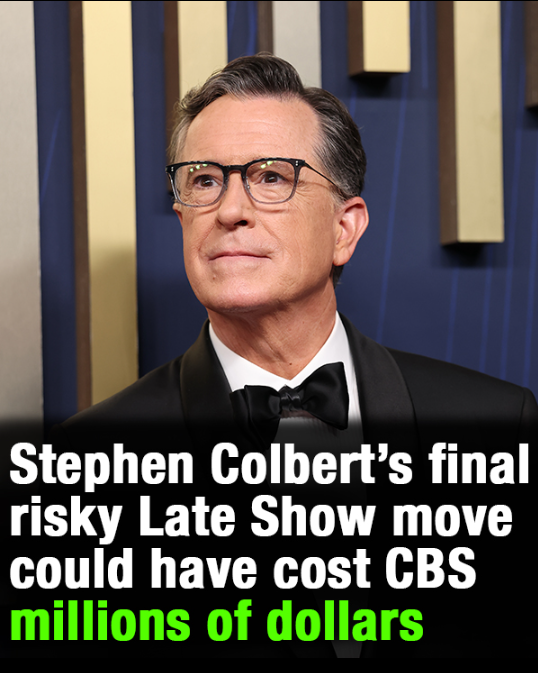
Stephen Colbert’s jab at network on final Late Show could cost CBS millions
On May 21, 2026, Stephen Colbert delivered his final monologue on The Late Show, closing a chapter on a 33-year CBS late-night franchise that began with David Letterman. The episode drew a record 6.74 million viewers for a weeknight broadcast, proving the show still had cultural pull even in its death throes. Yet amid the celebrity cameos, emotional tributes, and a surprise Paul McCartney performance, one moment stood out as a classic Colbert zinger: a pointed jab at CBS that quickly went viral and raised eyebrows about potential fallout.
In the “Meanwhile…” segment, Colbert referenced lawsuits involving the Peanuts theme song “Linus and Lucy.” He noted that unauthorized users could “pay through the nose.” Then, as if on cue, his bandleader Louis Cato and the band launched into the iconic tune. Colbert feigned shock: “Oh no! I hope this doesn’t cost CBS any money!” The audience erupted in applause and laughter. It was a masterclass in deadpan satire—subtle enough to fly under some radars, sharp enough to sting the network that had just canceled his show.
The Backdrop: Financial Claims vs. Political Speculation
CBS and parent company Paramount Global framed the cancellation as “purely a financial decision.” Executives claimed The Late Show was losing approximately $40 million annually, with Colbert’s salary alone reportedly around $15 million. In an era of cord-cutting, fragmented audiences, and declining ad revenue for traditional late-night TV, the numbers reportedly no longer added up for a publicly traded company.
Yet the timing fueled intense speculation. The announcement came shortly after Colbert criticized Paramount’s $16 million settlement with President Donald Trump over a 60 Minutes interview editing dispute. Paramount was also navigating a major merger with Skydance Media that required regulatory approval. Critics, including some fans and commentators, accused the network of capitulating to political pressure in a new Trump administration era. Letterman reportedly called CBS executives “lying weasels,” and online backlash included boycott calls.
Colbert addressed the rumors without fully endorsing them, calling speculation “reasonable” but declining to fuel conspiracy narratives. The show’s strong performance in key demographics—it had often beaten competitors since 2019—made the financial rationale seem puzzling to many insiders.
Why the Jab Resonated
Colbert’s Peanuts gag wasn’t just a throwaway bit. It cleverly highlighted the irony: a network claiming massive losses over a popular show now potentially facing copyright liabilities on air. The Peanuts music owner had recently pursued aggressive lawsuits, including against high-profile entities. By having the band play it live, Colbert created a moment that was simultaneously funny, defiant, and pointed. Clips spread rapidly across social media, with users praising it as a classy yet unmistakable middle finger to CBS brass.
The humor worked on multiple levels. It mocked corporate risk-aversion while subtly questioning the “we can’t afford this” narrative. Late-night shows have long navigated music licensing complexities, but the deliberate framing turned it into commentary on CBS’s priorities. Whether it leads to actual legal or financial repercussions remains unclear—networks typically secure blanket licenses—but the optics were damaging. In the streaming and YouTube era, such moments amplify brand erosion.
The Broader Impact on CBS and Late-Night TV
Could this jab “cost CBS millions”? Directly, probably not in lawsuits. Indirectly, it amplified negative sentiment at a vulnerable time. Paramount faces pressure from declining linear TV viewership, rising production costs, and shifting media consumption. The finale’s high ratings ironically underscored what the network was walking away from: a loyal audience and cultural relevance.
The end of The Late Show marks the retirement of the entire Late Show franchise after 33 years. It signals broader challenges for legacy late-night television. Competitors like Jimmy Fallon, Jimmy Kimmel, and Seth Meyers continue, but the format struggles with younger viewers who prefer short-form digital content, podcasts, and YouTube. Ad dollars have migrated, and political polarization makes edgy satire riskier for advertisers.
For CBS, the decision may reflect a strategic pivot toward cheaper programming or digital-first strategies. However, losing a flagship show tied to the iconic Ed Sullivan Theater carries reputational weight. Colbert’s team is reportedly exploring new ventures, possibly a YouTube-focused format or specials, which could siphon remaining audience goodwill away from the network.
Colbert’s Legacy and the Art of the Exit
Over 11 seasons, Colbert evolved from The Colbert Report’s satirical character to a more earnest, sharp-witted host who blended comedy with genuine emotion. His monologues “felt the news” with viewers through turbulent times—elections, pandemics, cultural shifts. The final episode balanced nostalgia, gratitude, and joy, avoiding overt bitterness despite the circumstances.
Guests like Jon Stewart, John Oliver, and McCartney added star power. Emotional segments thanked staff and audiences, framing the show as a “Joy Machine.” Yet the Peanuts bit ensured Colbert didn’t go quietly into the night. It encapsulated his style: principled, playful, and unwilling to let power go unchecked—even corporate power.
Conservative voices celebrated the cancellation as the end of “left-leaning” late night dominance, while supporters mourned the loss of a critical voice. The divide reflects deeper fractures in media trust.
Lessons for Media in a Fragmented Age
This saga illustrates the precarious position of traditional broadcasters. Networks must balance shareholder demands with creative freedom and audience expectations. Colbert’s jab, whether costing literal millions or just goodwill, underscores how public perception matters. In the social media era, a 30-second clip can define an exit narrative more powerfully than press releases.
For aspiring comedians and hosts, it highlights the value of authenticity. Colbert maintained his voice until the end. For viewers, it’s a reminder that even beloved institutions are businesses. The record ratings for the finale suggest demand for smart, engaging television persists—if platforms adapt.
As Colbert moves forward—possibly to new projects, books, or advocacy—his Late Show tenure will be remembered for elevating satire while humanizing it. The final jab wasn’t vengeful; it was consistent. CBS, meanwhile, must navigate the aftermath: potential viewer alienation, merger scrutiny, and proving that financial prudence outweighs cultural loss.
In the end, Colbert’s sign-off wasn’t just the close of a show. It was a commentary on an industry in flux, delivered with wit sharp enough to linger. Whether it costs CBS millions in direct terms is debatable. In brand equity and public trust? That tally might still be running