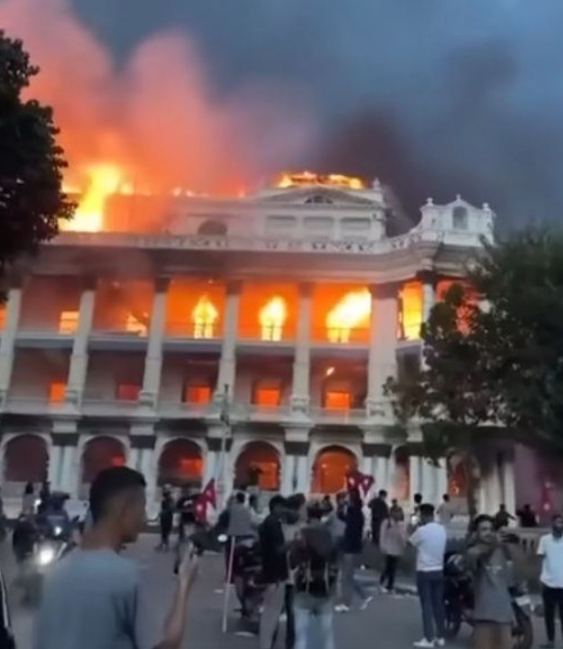
BREAKING NEWS: Tremendous Fire Erupts in California as Multiple Wildfires Rage Across Southern Region
Just hours ago, reports flooded in of a massive blaze igniting in California, adding to an already alarming outbreak of wildfires sweeping through Southern California in mid-May 2026. While the phrase echoes across social media, the reality on the ground is far more complex—and urgent. What began as scattered incidents has escalated into a multi-front battle against flames fueled by dry conditions, shifting winds, and an unusually early fire season.
The most prominent among them is the Sandy Fire in Simi Valley, Ventura County, approximately 40 miles northwest of Los Angeles. Ignited on Monday, May 18, the fire has rapidly charred over 2,100 acres and prompted evacuation orders for tens of thousands of residents. As of the latest updates on May 23, it stands at around 40-61% containment, with more than 850 firefighters deployed.
The Scene Unfolds
Eyewitnesses described the Sandy Fire as a “tremendous” wall of flames racing through brushy hillsides and canyons above suburban neighborhoods. Thick plumes of smoke billowed into the sky, visible for miles and casting an eerie orange glow over the region. Strong Santa Ana-like winds, though easing somewhat, whipped the fire into a frenzy, creating spot fires that jumped containment lines and threatened thousands of homes.
Local resident Maria Gonzalez, a Simi Valley mother of two, shared her harrowing experience: “We got the alert at 2 a.m. Grab what you can and go. The sky was on fire. You could hear the roar from the flames echoing off the canyons.” Schools in the area shut down, and evacuation centers quickly filled with families clutching pets, important documents, and whatever belongings they could salvage.
Fire officials believe the Sandy Fire may have been sparked by a tractor striking a rock, generating sparks in tinder-dry vegetation. This comes amid broader concerns about human-caused ignitions in a state already grappling with climate-driven extremes.
A Multi-Fire Crisis
The Sandy Fire is not alone. Southern California is currently battling several significant blazes:
- Santa Rosa Island Fire: Burning since May 15 in the Channel Islands National Park, this massive fire has scorched over 18,000 acres—nearly a third of the island. It was likely started by a shipwrecked boater firing emergency flares. At 59-72% containment, it has destroyed structures but remains largely contained to the remote island.
- Bain Fire and Verona Fire in Riverside County: These broke out mid-week, burning hundreds to over 1,400 acres combined. Evacuation orders were issued, with reports of minor injuries from smoke inhalation and traumatic incidents.
- Alta Fire and others in Los Angeles and Kern counties: Smaller but aggressive fires added to the strain on resources, with the Alta Fire alone burning hundreds of acres near the 5 Freeway.
Collectively, these fires have burned tens of thousands of acres in a matter of days, forcing over 40,000 people from their homes at peak. This early surge—well before the traditional peak fire season—has raised alarms among experts. A drier-than-average winter followed by windy conditions has left vegetation parched, creating perfect conditions for rapid spread.
Heroes on the Front Lines
Firefighters from Cal Fire, local departments, and federal agencies are working around the clock. Helicopters and fixed-wing aircraft dump thousands of gallons of water and retardant daily. Ground crews carve firebreaks with bulldozers while hand crews clear brush in steep, treacherous terrain.
One incident commander described the challenge: “The canyons act like chimneys, pulling the fire uphill at incredible speeds. We’re not just fighting fire; we’re fighting the landscape and the weather.”
Support has poured in from across the state and beyond. The National Guard has been mobilized for logistics, and neighboring counties have sent engines and personnel. Yet resources are stretched thin, with multiple incidents competing for aircraft and crews.
Human and Environmental Toll
Beyond the immediate danger, the fires carry a heavy human cost. Families displaced, businesses shuttered, and air quality plummeting across the Los Angeles Basin. Health officials have issued smoke advisories, urging vulnerable populations—children, the elderly, and those with respiratory issues—to stay indoors. Hospitals have seen a spike in visits for breathing difficulties.
Environmentally, the blazes threaten sensitive habitats. The Santa Rosa Island fire endangers rare species and archaeological sites on the pristine island. In Simi Valley, the fire skirted urban-wildland interfaces, destroying at least one home and damaging others. Long-term recovery will involve not just rebuilding but addressing erosion risks from scorched hillsides.
This event also highlights deeper systemic issues. Critics point to slow rebuilding from previous fires like the 2025 Palisades and Altadena incidents, where bureaucracy, insurance crises, and rising costs have left communities vulnerable. Governor Gavin Newsom has blamed federal funding cuts, while opponents argue state policies on vegetation management and development in high-risk areas need urgent reform.
Looking Ahead: Containment and Recovery
As winds continue to moderate, officials are optimistic about gaining more ground on containment over the weekend. However, the forecast calls for continued dry conditions, and any new ignition could spark fresh trouble. Residents are urged to heed evacuation orders, prepare “go bags,” and maintain defensible space around homes.
For those affected, community support networks have activated. Red Cross shelters provide food, water, and emotional aid. Fundraisers are underway for families who lost everything. In a show of resilience, neighbors have opened their doors to strangers fleeing the flames.
This outbreak serves as a stark reminder of California’s perpetual dance with fire. Experts warn that with climate change intensifying drought cycles and heat waves, such events may become more frequent and severe. Prevention efforts—better forest management, early warning systems, and public education—will be critical.
As the sun sets on another day of firefighting, the “tremendous fire” that broke out just hours ago joins a growing list of challenges for the Golden State. Communities stand united, hoping for rain that isn’t in the forecast and celebrating the bravery of those battling the blaze.