Extreme Weather Sweeps Across the Caribbean and Southeast
As of mid-May 2026, a powerful and persistent weather pattern has unleashed extreme conditions across the Caribbean islands and the southeastern United States, bringing torrential rains, severe thunderstorms, flooding, and early signs of heightened tropical activity. What began as scattered showers has escalated into widespread disruption, claiming lives, damaging infrastructure, and testing emergency response systems still recovering from previous seasons.
The Scope of the Outbreak
Over the past week, heavy rainfall has pounded regions from Puerto Rico and the Dominican Republic through the Bahamas and into Florida, Georgia, and the Carolinas. Some areas received more than 10-15 inches of rain in 48 hours, triggering flash floods and landslides. In the Caribbean, islands like Jamaica, Haiti, and Cuba reported widespread power outages, flooded roads, and agricultural losses. In the U.S. Southeast, rivers swelled beyond flood stages, forcing evacuations in low-lying communities from Miami to coastal South Carolina.
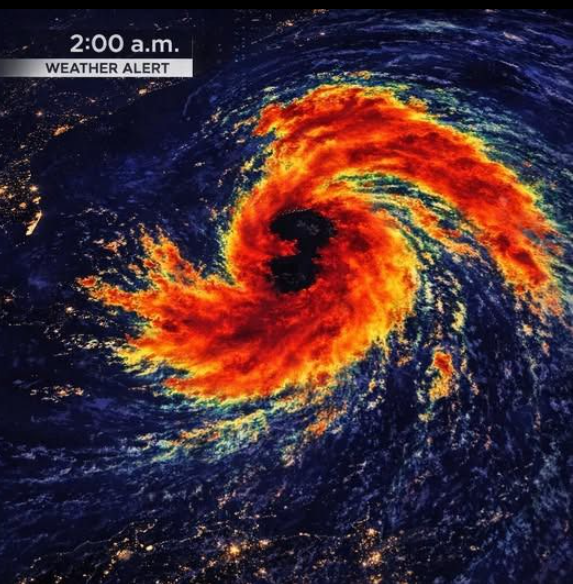
The National Hurricane Center noted the first significant tropical wave of the 2026 season moving through the southern Caribbean, bringing gusty winds and organized thunderstorms. While El Niño conditions are expected to suppress overall hurricane activity this season, the early moisture and instability have created dangerous localized extremes. Severe thunderstorm warnings have been frequent, with reports of damaging winds, large hail, and isolated tornadoes in Florida and Georgia.
Human Impact and Tragic Losses
At least a dozen deaths have been confirmed across the affected regions. In Haiti, mudslides buried several homes in mountainous areas, killing at least five. Puerto Rico reported two fatalities from drowning in flooded vehicles. In Florida, an elderly couple in the Tampa Bay area perished when their car was swept away by rapidly rising waters. Many more remain missing.
Hundreds of thousands are without power. In the Dominican Republic, utility crews work around the clock to restore electricity amid downed trees and debris. Tourism-dependent economies are reeling—cruise ports in the Bahamas and Cozumel have delayed or canceled departures, while beach resorts in Florida report widespread cancellations.
Families like the Rodriguezes in San Juan, Puerto Rico, describe harrowing nights. “The water came so fast,” said Maria Rodriguez. “We barely had time to grab the children and climb to the roof. Our home is destroyed.” Similar stories echo across the Southeast, where suburban neighborhoods turned into lakes overnight.
Agricultural and Economic Toll
Farmers face devastating losses. Banana and coffee plantations in the Caribbean have been battered, with entire fields submerged. In the U.S., citrus groves in Florida and pecan orchards in Georgia suffered heavy damage from high winds and flooding. Preliminary estimates suggest hundreds of millions of dollars in agricultural losses already, with insurance claims pouring in.
Coastal erosion has worsened in vulnerable areas. Beaches in the Outer Banks and along Florida’s east coast have been reshaped by pounding surf and storm surge, threatening homes built too close to the water.
Scientific Context: Why Now?
Meteorologists point to a potent combination of factors. Record-warm sea surface temperatures in the Atlantic and Caribbean provide abundant moisture and energy. A stalled frontal boundary over the Southeast has acted as a “training” mechanism, allowing storms to repeatedly drop heavy rain over the same areas.
While forecasts for the full 2026 Atlantic hurricane season lean toward near-normal or slightly below-average activity due to a developing El Niño (which increases wind shear that disrupts storm formation), the pre-season period has proven volatile. Tropical waves are already organizing earlier than usual in some models, raising concerns for an active early season.
Climate scientists note that human-caused warming is making extreme precipitation events more frequent and intense. What was once a “100-year flood” is becoming more common in the region, overwhelming aging drainage systems and infrastructure.
Response and Recovery Efforts
Governments have mobilized. The U.S. Federal Emergency Management Agency (FEMA) has deployed teams to Florida and Georgia, with President issuing a major disaster declaration for hardest-hit counties. National Guard units assist with high-water rescues and distribution of food and water.
In the Caribbean, regional organizations like CARICOM coordinate aid. Cuba and the Dominican Republic have opened shelters housing thousands. International assistance is arriving, with the U.S. and European nations sending supplies and technical support.
Communities show remarkable resilience. In Charleston, South Carolina, neighbors used boats to check on elderly residents. Volunteer groups in Miami distributed sandbags and meals. Social media has been flooded with offers of help, though officials warn against scams targeting those seeking assistance.
Looking Ahead
Forecasters warn that the pattern may persist into late May. Additional tropical moisture is expected to fuel more thunderstorms and heavy rain. Residents are urged to monitor updates from the National Weather Service, local emergency management, and the National Hurricane Center as the official season begins June 1.
Preparation remains key. Emergency kits, evacuation plans, and elevated storage for valuables can make the difference. Homeowners in flood-prone zones should review insurance coverage, as standard policies often exclude flood damage.
For many, this latest bout of extreme weather highlights broader vulnerabilities. Small island nations in the Caribbean face existential threats from rising seas and stronger storms. Coastal cities in the Southeast grapple with balancing growth and resilience.
As waters recede and assessments continue, the focus will shift to rebuilding smarter. Investments in resilient infrastructure, better early warning systems, and nature-based solutions like mangrove restoration and wetland preservation offer hope for reducing future impacts.
In the immediate term, the priority is saving lives and supporting those displaced. From the turquoise waters of the Caribbean to the bustling cities of the U.S. Southeast, communities are united in recovery—proving once again that while weather can test us, the human spirit endures.
The coming weeks will be critical. Meteorologists will watch closely for any signs of tropical development as the atmosphere becomes more favorable. For now, the message from officials is clear: stay informed, stay safe, and prepare for whatever comes next in what promises to be another challenging weather year.