8 Easy Ways To Keep Snakes Away From Your Yard
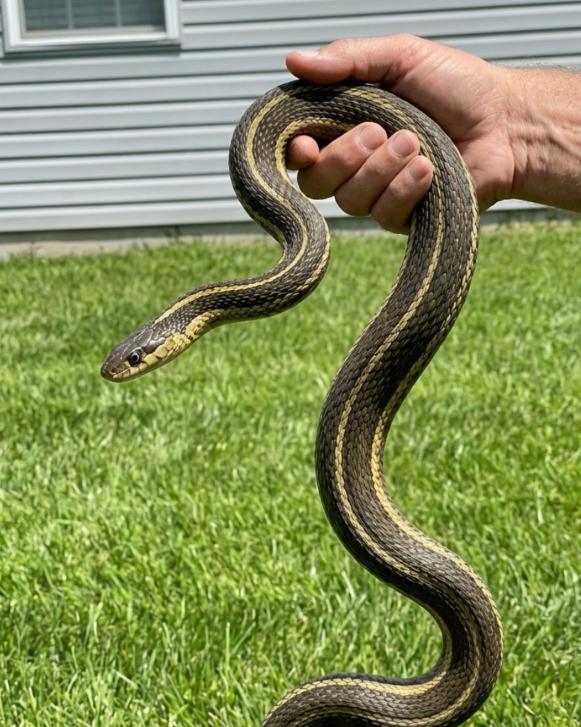
Snakes play a vital role in the ecosystem by controlling rodent and insect populations, but many homeowners prefer to keep them at a safe distance from yards, gardens, and play areas—especially where children and pets spend time. The good news is that you don’t need harsh chemicals or expensive professionals for effective results. By making your yard less inviting, you can dramatically reduce snake activity through simple, natural, and low-cost methods.
These eight practical strategies focus on habitat modification, removing attractants, and gentle deterrence. Implementing several together creates a comprehensive defense. Expect noticeable improvements within weeks when done consistently.
1. Mow Your Lawn Short and Keep It Trimmed
One of the simplest and most effective steps is regular lawn maintenance. Snakes love tall grass because it provides cover from predators like hawks, owls, and cats while allowing them to hunt quietly. Keep your grass mowed to 3 inches or shorter. This exposes snakes to the elements and makes them easier for you (and their natural predators) to spot.
In addition to mowing, edge your lawn neatly and avoid letting ornamental grasses or clumping varieties grow too dense. Shorter turf reduces the habitat for prey insects, worms, and rodents that draw snakes in the first place. During peak snake season (typically spring through fall), mow at least once a week. This small habit not only deters snakes but also improves the overall appearance and health of your yard.
2. Eliminate Hiding Spots and Clutter
Snakes seek out cool, dark, sheltered areas during the day. Removing debris is a high-impact way to make your property less hospitable. Clear away brush piles, leaf litter, rock piles, wood stacks, and any unused garden materials. Store firewood elevated off the ground and away from the house, ideally in a rack or shed.
Trim low-hanging tree branches and shrubs so there’s at least 24–36 inches of clear space underneath. This prevents snakes from climbing or hiding near structures. Avoid dense ground covers like ivy, juniper, or monkey grass near high-traffic areas—these create perfect snake highways. Opt for open landscaping with mulch, bark, or river rock instead of pine straw, which offers more concealment. A tidy yard forces snakes to move on to better hiding spots elsewhere.
3. Remove Food Sources (Rodents, Insects, and Birds’ Mess)
Snakes primarily come to your yard for meals. Reducing their prey is one of the most reliable long-term solutions. Control rodents by sealing trash cans tightly, storing pet food indoors, and avoiding outdoor feeding that attracts mice or rats.
If you have bird feeders, place them far from the house and clean up spilled seeds daily, as they attract rodents. Fix any leaks or standing water that draws frogs, slugs, and insects. Consider reducing outdoor lighting at night or using yellow “bug lights,” which attract fewer insects. By starving out the bottom of the food chain, snakes lose interest in your property. This approach is humane and prevents recurring issues.
4. Use Natural Snake-Repellent Plants
Certain plants can help create a natural barrier through scent or texture that snakes dislike. Lemongrass, marigolds, and strong-smelling herbs like garlic, onions, rosemary, lavender, and mint are popular options. Plant them around the perimeter of your yard, near foundations, or garden borders.
Prickly plants such as holly, cacti (like golden barrel or prickly pear), or osmanthus varieties make navigation uncomfortable for snakes. While plants alone won’t solve a major infestation, they enhance other methods and add beauty to your landscape. Combine them with mulch to maximize coverage. Refresh or replant as needed, especially after heavy rain.
5. Apply Natural Repellent Sprays and Substances
Homemade or natural sprays offer a non-toxic way to deter snakes. A common recipe mixes garlic, onions, or hot peppers with water and a bit of dish soap, then sprayed around perimeters, foundations, and entry points. Clove and cinnamon essential oils diluted in water also work well due to their strong scents, which overwhelm a snake’s sensory system.
Cedar shavings or oil can be scattered in sheds or garden beds, as snakes avoid the phenols. Reapply after rain or every couple of weeks. Note that commercial chemical repellents and sulfur are often ineffective according to extension services, so stick to proven natural alternatives. Always test on a small area first to avoid damaging plants.
6. Manage Moisture and Water Features
Snakes are drawn to damp environments that support their prey. Avoid overwatering your lawn and fix any irrigation issues that create puddles. Redirect downspouts and improve drainage where water collects. If you have a pond or water garden, keep surrounding vegetation trimmed and consider adding fish or water movement to reduce frog and insect populations.
Dryer conditions make your yard less appealing without harming beneficial wildlife entirely. In arid or drought-prone areas, this step alone can make a big difference.
7. Seal Entry Points and Install Barriers
Inspect your home’s foundation, garage, and outbuildings for cracks, gaps, or holes (even as small as 1/4 inch). Seal them with caulk, hardware cloth, or metal flashing. For serious concerns, install snake-proof fencing: use 1/4-inch mesh buried 4–6 inches underground and flared outward at the top to prevent climbing. A 2–3 foot height is usually sufficient.
This physical barrier is highly effective for properties bordering woods or fields. Combine it with vegetation clearance for best results.
8. Encourage Natural Predators
Invite snakes’ enemies to your yard. Install owl boxes, perches, or birdhouses to attract hawks and owls. Domestic cats or guinea fowl can also help patrol the area. Maintaining a balanced ecosystem where predators thrive naturally keeps snake numbers in check without direct intervention.
Avoid broad-spectrum pesticides that kill insects and reduce the food chain for these helpful predators.
Additional Tips for Success
Consistency is key—combine at least 4–5 of these methods for reliable results. In snake-prone regions, be extra vigilant during warmer months and teach family members to watch where they step. If you encounter a snake, remain calm, give it space, and let it move away on its own. Most snakes are non-venomous and beneficial.
These strategies are eco-friendly, cost-effective, and promote a healthier yard overall. You’ll likely see fewer rodents and insects as bonuses. For persistent problems or venomous species concerns, consult local extension services or wildlife professionals rather than resorting to lethal measures.
By taking proactive steps today, you can enjoy your outdoor space with greater peace of mind. A well-maintained, less cluttered yard is naturally less attractive to snakes, creating a safer environment for