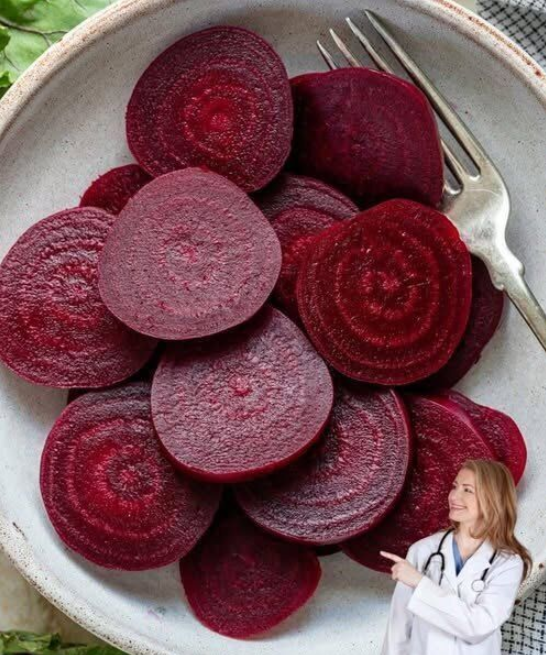
Beetroot—often just called “beets”—has gone from a humble root vegetable to something of a “superfood” in modern nutrition discussions. Known for its deep red-purple color and earthy sweetness, beetroot is more than just a salad ingredient. When people talk about “the beetroot advantage,” they’re usually referring to a combination of cardiovascular, performance, and metabolic benefits that researchers and clinicians have studied for years.
Here’s what actually happens in the body when you regularly add beetroot to your diet, and why doctors and nutrition experts often speak positively about it—without exaggerating its effects.
1. A natural source of dietary nitrates
One of the most important components of beetroot is its high level of dietary nitrates. When you eat beets, your body converts these nitrates into nitric oxide, a molecule that plays a key role in blood vessel function.
Nitric oxide helps blood vessels relax and widen, a process called vasodilation. This can improve blood flow and reduce blood pressure slightly in many people.
This is why beetroot is often discussed in relation to heart health. It is not a replacement for medication, but studies have shown that regular beet consumption or beet juice intake can lead to modest reductions in blood pressure in some individuals, especially those with elevated baseline levels.
Doctors view this effect as supportive rather than curative—it complements a healthy lifestyle rather than replacing it.
2. Potential support for cardiovascular health
Because of its nitric oxide effects, beetroot is often associated with cardiovascular benefits. Improved blood flow means the heart doesn’t have to work as hard to circulate blood throughout the body.
Some research suggests that beet consumption may:
- Slightly lower systolic blood pressure
- Improve endothelial function (the lining of blood vessels)
- Support overall vascular flexibility
However, the effects vary from person to person. Factors like diet quality, genetics, and existing health conditions all influence how noticeable the benefits are.
It’s important to emphasize that beetroot is not a treatment for heart disease. Instead, it is considered a supportive food that may contribute to overall cardiovascular health when combined with other healthy habits like exercise, low sodium intake, and balanced nutrition.
3. Exercise performance and stamina
One of the most popular areas of research on beetroot involves physical performance. Athletes and fitness enthusiasts often use beet juice before workouts because of its potential to improve oxygen efficiency.
Nitric oxide helps muscles use oxygen more efficiently during exercise. This may result in:
- Slightly improved endurance
- Reduced oxygen cost during moderate exercise
- Delayed fatigue in some cases
This is especially noticeable in endurance activities like running, cycling, or rowing.
However, the boost is usually modest. It won’t turn someone into an elite athlete, but it may provide a small performance edge in certain conditions. That’s why beet juice has even been studied in sports science and sometimes used in competitive training environments.
4. Anti-inflammatory and antioxidant compounds
Beetroot contains natural plant compounds called betalains, which are responsible for its vibrant color. These compounds have antioxidant properties, meaning they help neutralize oxidative stress in the body.
Oxidative stress is linked to inflammation and long-term cellular damage. While beetroot is not a cure for inflammation-related diseases, it may contribute to a diet that helps the body manage inflammation more effectively.
Doctors typically emphasize that antioxidants work best as part of a varied diet rich in fruits and vegetables—not as isolated “miracle compounds.”
5. Digestive health and fiber content
Whole beets are a good source of dietary fiber, which supports digestion and gut health. Fiber helps:
- Promote regular bowel movements
- Feed beneficial gut bacteria
- Support healthy cholesterol levels
A healthy gut microbiome is increasingly recognized as important for immunity, metabolism, and even mood regulation.
However, beet juice does not contain much fiber, so the full digestive benefits are more associated with eating the whole vegetable rather than drinking it.
6. Brain and cognitive blood flow
Because beetroot improves blood flow, researchers have also explored its effects on brain health. Increased blood circulation may support oxygen delivery to the brain, particularly in older adults.
Some early studies suggest that dietary nitrates may help improve cognitive performance in certain situations, but the evidence is still developing. It is not considered a treatment for memory loss or neurological conditions, but it is an area of ongoing research.
7. Blood sugar and metabolic considerations
Beets contain natural sugars, but they also have fiber and a relatively low glycemic load when eaten in whole form. This means they generally do not cause sharp spikes in blood sugar for most people.
For individuals managing metabolic conditions, portion size still matters. Beet juice, in particular, can be more concentrated and may affect blood sugar differently than whole beets.
Doctors usually recommend moderation and balance rather than avoidance.
8. Possible side effects (and what’s normal)
Beetroot is safe for most people, but there are a few harmless effects worth knowing:
- Beeturia: Some people notice red or pink urine after eating beets. This is harmless and caused by natural pigments not fully broken down.
- Digestive changes: High fiber intake can cause mild bloating in some individuals.
- Kidney stone consideration: Beets are high in oxalates, which may be relevant for people prone to certain types of kidney stones.
These effects are not dangerous for most healthy individuals, but they are worth being aware of.
9. What doctors actually conclude
Medical professionals generally agree on a balanced view of beetroot:
- It is nutrient-rich and beneficial as part of a healthy diet
- It may help support blood pressure and circulation
- It can provide a small boost in exercise performance
- It is not a cure or standalone treatment for any disease
In other words, beetroot is helpful—but not magical.
The strongest evidence supports its role in cardiovascular support and exercise physiology, while other benefits are promising but still being studied.
10. The real “beetroot advantage”
The biggest advantage of beetroot is not any single dramatic effect—it’s the combination of nutrients, nitrates, fiber, and antioxidants working together within a healthy lifestyle.
When people regularly eat vegetables like beetroot, they tend to:
- Replace processed foods
- Increase nutrient intake
- Improve overall diet quality
That broader dietary pattern is what truly drives long-term health benefits.
Final thought
Beetroot is a good example of how simple foods can have meaningful biological effects without being exaggerated into miracle cures. Doctors value it because it supports normal body functions—blood flow, digestion, and nutrient balance—in a natural way.
The “beetroot advantage” is real, but it’s subtle, cumulative, and works best as part of a consistently healthy diet rather than a quick fix.