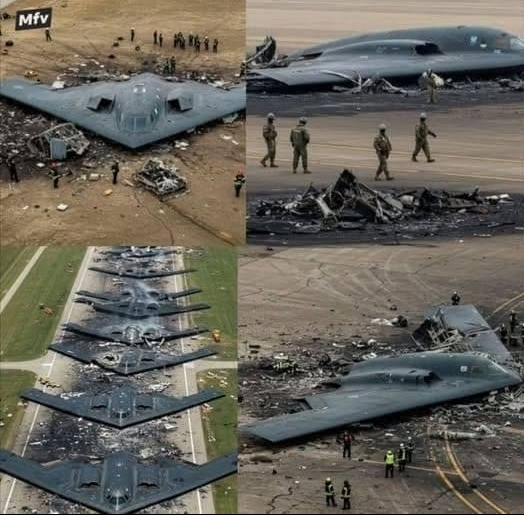
The phrase “BREAKING NEWS! Iran attacked our fleet… See more…” has all the hallmarks of a viral claim designed to provoke urgency and fear. It’s the kind of headline that spreads rapidly across social media, often shared before anyone pauses to verify whether it’s true. In moments like these, it’s important to separate emotional reaction from confirmed information. While tensions between the United States and Iran have indeed been elevated, there is no credible, verified evidence at this time that Iran has launched a direct, large-scale attack on a U.S. naval fleet.
To understand why such a claim gains traction, it helps to look at the broader geopolitical context. The United States and Iran have had a strained relationship for decades, shaped by events like the 1979 Iranian Revolution, ongoing disputes over nuclear development, and military activity in the Middle East. In recent years, flashpoints have included incidents in the Persian Gulf, cyber operations, and targeted strikes involving regional proxies. These ongoing tensions create an environment where any rumor of escalation can feel plausible—even when it isn’t accurate.
One of the most sensitive areas in this standoff is the Strait of Hormuz, a narrow but strategically vital waterway through which a significant portion of the world’s oil supply passes. Military presence in this region is constant, with U.S. naval forces tasked with ensuring freedom of navigation and deterring threats. Iran, meanwhile, has repeatedly asserted its influence over the area, conducting military exercises and occasionally seizing or harassing vessels. Because of this, even minor incidents—like a drone sighting or a warning shot—can quickly be exaggerated into something much larger in online narratives.
The problem with viral “breaking news” posts is that they often blur the line between possibility and reality. A headline might be loosely inspired by real tensions but presented in a way that suggests a major event has already occurred. The phrase “See more…” is especially telling; it’s a common tactic used to lure readers into clicking, sharing, or engaging without providing immediate details or credible sources. By the time the truth emerges, the initial claim may have already reached thousands or even millions of people.
Another factor driving the spread of these stories is the speed of modern information sharing. Social media platforms prioritize content that generates strong reactions—fear, anger, or shock. A calm, fact-checked report rarely travels as fast as a dramatic, unverified claim. This creates a cycle where misleading information can dominate the conversation, even if it’s later corrected. In high-stakes situations involving military conflict, that can have real consequences, shaping public perception and even influencing political discourse.
It’s also worth noting that in the event of a genuine large-scale attack on a U.S. fleet, confirmation would come quickly from multiple authoritative sources. Major news organizations, government officials, and international observers would all report on it, often within minutes. There would be statements from the Department of Defense, likely press briefings, and coordinated coverage across global media. The absence of such confirmation is a strong indicator that the viral claim is not accurate.
That doesn’t mean the situation in the region is stable or without risk. On the contrary, experts frequently warn that the potential for escalation is real. Miscalculations, miscommunications, or isolated incidents could trigger a broader conflict. For example, a single confrontation at sea—such as a collision, an exchange of fire, or a misidentified aircraft—could spiral into something more serious if both sides respond aggressively. This underlying tension is what makes sensational headlines feel believable, even when they are not grounded in fact.
The key takeaway is the importance of critical thinking when encountering alarming news online. Before sharing or reacting, it’s worth asking a few basic questions: Is the source credible? Are other reputable outlets reporting the same thing? Is there official confirmation? If the answer to these questions is unclear or negative, it’s best to treat the claim with skepticism.
In an era where information moves faster than ever, the ability to pause and verify has become an essential skill. False or exaggerated reports don’t just misinform—they can heighten anxiety, spread confusion, and contribute to a distorted understanding of global events. By approaching such claims carefully, individuals can help prevent the spread of misinformation and maintain a clearer picture of what’s actually happening.
In summary, while U.S.–Iran tensions remain high and the situation in key regions like the Persian Gulf is complex and potentially volatile, there is no verified evidence supporting the claim that Iran has attacked a U.S. fleet in a major, breaking-news event. The viral headline is most likely a piece of clickbait or misinformation, leveraging real-world tensions to create a false sense of urgency. Staying informed through reliable sources and maintaining a critical perspective is the best way to navigate these kinds of claims