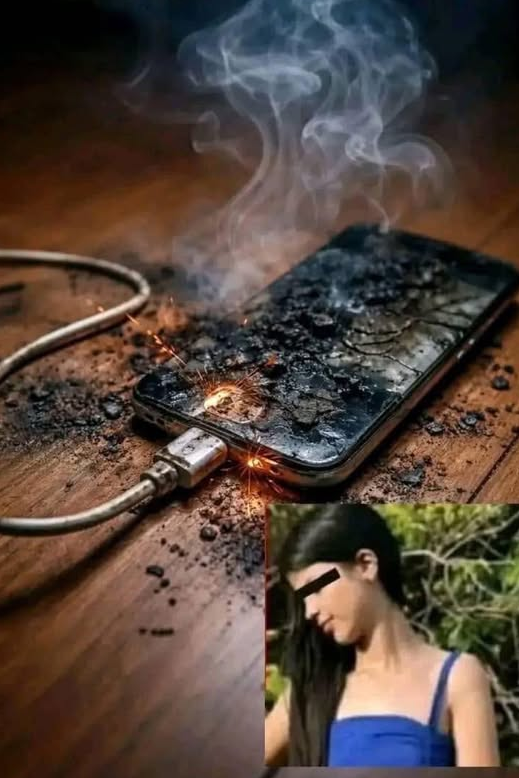
⚠️ Warning: Never Put Your Charger Like This — A Small Habit That Can Lead to Big Danger
It’s one of those everyday things most people never think twice about: plugging in a charger. Whether it’s for your phone, laptop, tablet, or earbuds, it’s such a routine action that it becomes almost automatic. But what if a simple mistake in how you use your charger could quietly put your safety at risk?
This warning has been circulating widely for a reason. What seems harmless at first glance—how you position or handle your charger—can actually create serious hazards over time.
The Hidden Danger in “Normal” Behavior
Many people have developed habits that feel convenient but are far from safe. One of the most common mistakes is leaving a charger plugged into an outlet without a device connected, especially for long periods. While it may seem harmless, the charger still draws a small amount of electricity and can slowly heat up.
Another risky behavior is placing chargers under pillows, blankets, or mattresses while in use. This is particularly common when people charge their phones overnight in bed. The problem? Chargers generate heat, and when that heat has nowhere to escape, it builds up. Over time, that can damage the charger—or worse, create a fire hazard.
Bending and Stressing the Cable
A major issue that often goes unnoticed is how people handle the cable itself. Wrapping it tightly around the adapter, bending it sharply near the connector, or pulling it out of the wall by the cord instead of the plug can all cause internal damage.
Inside every charging cable are thin wires that carry electricity. When those wires become frayed or broken, they can lead to:
- Intermittent charging
- Sparks or short circuits
- Overheating
Even if the outer layer of the cable looks fine, the internal damage can still be there, quietly increasing the risk each time you plug it in.
Cheap or Damaged Chargers
Not all chargers are created equal. Using low-quality or counterfeit chargers might save money upfront, but they often lack the safety features built into certified products. These include protections against overheating, overcharging, and power surges.
A damaged charger—one with exposed wires, a loose connection, or burn marks—is even more dangerous. Continuing to use it is like ignoring a warning sign that something is already going wrong.
Charging Near Water or Flammable Materials
Another common mistake is charging devices near water—like on a bathroom counter or next to a sink. Electricity and water are a dangerous combination, and even a small splash can lead to serious consequences.
Similarly, placing chargers on flammable surfaces such as paper, fabric, or carpets can increase fire risk, especially if the charger overheats.
The Overnight Charging Habit
Charging devices overnight is incredibly common, but it comes with risks if done improperly. Modern devices are designed to stop charging once the battery is full, but that doesn’t mean the charger itself stops generating heat.
If your phone is:
- Covered by a blanket
- Placed on a soft surface
- Connected to a faulty charger
…then the risk increases significantly.
Warning Signs You Should Never Ignore
Your charger often gives subtle clues when something isn’t right. Pay attention to these warning signs:
- The charger feels unusually hot to the touch
- You notice a burning smell
- The cable is frayed or discolored
- The device charges inconsistently
- You see sparks when plugging it in
If you notice any of these, stop using the charger immediately.
Simple Habits That Make a Big Difference
The good news is that staying safe doesn’t require complicated steps. A few simple habits can dramatically reduce your risk:
- Always place chargers on hard, flat surfaces while in use
- Avoid covering them with fabrics or other materials
- Unplug chargers when not in use for long periods
- Handle cables gently and avoid sharp bends
- Use certified, high-quality chargers
- Keep chargers away from water and heat sources
Why This Matters More Than You Think
At first glance, these risks might seem minor. After all, millions of people use chargers every day without incident. But safety isn’t about what happens most of the time—it’s about preventing the rare moments when things go wrong.
Electrical fires, device damage, and even injuries can often be traced back to small, preventable mistakes. The challenge is that these mistakes don’t always cause immediate problems. Instead, they build up over time, making it easy to overlook the danger.
A Habit Worth Changing
The phrase “never put the charger like this” might sound vague, but the message behind it is clear: how you use your charger matters. Small details—like where you place it, how you handle it, and whether you notice signs of wear—can make all the difference.
It’s easy to ignore something so routine. But sometimes, the most ordinary habits are the ones worth rethinking.
Final Thought
Next time you plug in your charger, take a second look. Is it in a safe position? Is the cable intact? Is it getting enough ventilation?
These quick checks take only a moment—but they could prevent a much bigger problem down the line.
Because when it comes to electricity, there’s one rule that always holds true:
